


Understanding roadway design strategies
Roadway design strategies are essential for improving traffic flow and safety. These strategies involve planning and constructing roads to make them more efficient and secure for all road users. By implementing these strategies, authorities aim to reduce congestion, minimize accidents, and enhance overall transportation experiences. Key aspects of roadway design strategies include optimizing lane configurations, creating dedicated lanes for public transportation, implementing intelligent traffic signals, and installing road signs and markings for clearer guidance. These strategies are crucial for creating a smoother and safer driving environment for everyone.
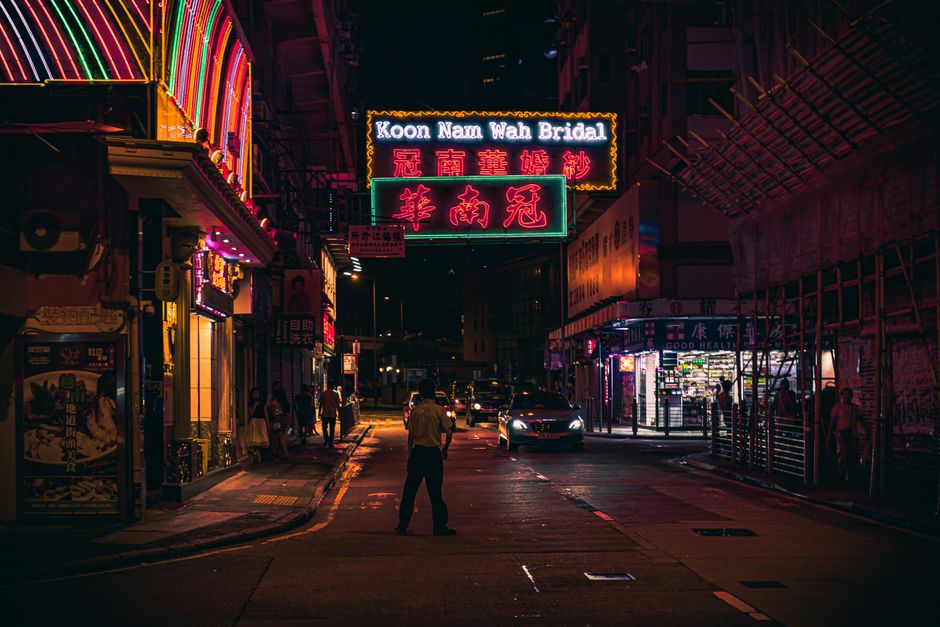
Importance of traffic flow and safety
Improving traffic flow and safety is crucial for ensuring a smooth and secure journey for all road users. Well-designed roadways can significantly reduce congestion, accidents, and travel time for commuters. Implementing effective roadway design strategies helps in creating a more efficient transportation system that enhances overall safety for drivers, pedestrians, and cyclists. Such strategies may include optimizing lane configurations, implementing roundabouts, prioritizing pedestrian crossings, and using signage and road marking to guide traffic. These measures aim to minimize the risk of accidents and improve the overall flow of vehicles, thus contributing to a safer and more efficient transportation network.
Analyzing current traffic patterns
To understand current traffic patterns, traffic engineers use various data collection methods such as video cameras, sensors embedded in the roadway, and traffic surveys. This helps in identifying congestion points, peak traffic hours, and areas of high accident frequency. By analyzing this data, engineers can develop effective strategies to improve traffic flow and enhance safety.
Implementing traffic calming measures
Traffic calming measures are techniques used to slow down and regulate traffic in order to enhance safety and promote a more pedestrian-friendly environment. These measures can include methods such as speed bumps, curb extensions, chicanes, and roundabouts. Implementing traffic calming measures can help reduce the speed of vehicles and create a more comfortable and secure environment for all road users, including pedestrians and cyclists. This can ultimately lead to a decrease in traffic accidents and a more efficient flow of vehicles.
Utilizing traffic signal optimization
Traffic signal optimization helps in reducing traffic congestion and improving safety on roadways. By synchronizing traffic lights, it allows for a smoother flow of vehicles, reducing the wait times at intersections. This can lead to fewer accidents and more efficient use of the roads. Factors such as the timing of the lights, the volume of traffic, and patterns of movement are taken into consideration to ensure that the signals are optimized for the best traffic flow.
Incorporating roundabouts and interchanges
When it comes to improving traffic flow and safety, incorporating roundabouts and interchanges can be highly effective. Roundabouts have been shown to reduce fatal crashes by 90% and overall crashes by 40% compared to traditional intersections. Their design also slows down traffic, improving safety for pedestrians and cyclists. Interchanges, on the other hand, help to efficiently manage high volumes of traffic and reduce congestion. By seamlessly connecting different roads, interchanges keep traffic flowing smoothly, reducing the likelihood of accidents and delays.
Enhancing visibility and signage
To enhance visibility and signage on roadways, using reflective materials and clear, bold signage can help improve safety for drivers and pedestrians. Reflective paint on road markings and signs can make them easier to see in low-light conditions, while clear, easy-to-read signage can help drivers navigate more effectively. Additionally, positioning signs at eye level and ensuring they are unobstructed by vegetation or other objects can further improve their visibility. These strategies can contribute to reducing accidents and improving traffic flow on roadways.
Integrating bicycle and pedestrian facilities
Integrating bicycle and pedestrian facilities in roadway design can help improve safety for all road users. According to the Federal Highway Administration, incorporating dedicated bike lanes, shared-use paths, and pedestrian walkways into roadway designs can enhance accessibility and reduce the risk of accidents involving cyclists and pedestrians. These facilities also promote active transportation and contribute to a more sustainable and healthy community. Key considerations when integrating these facilities include the separation of bike and pedestrian paths from vehicular traffic, maintaining smooth transitions at intersection crossings, and providing clear signage and markings to guide all users safely.
Considerations for public transportation
Public transportation plays a vital role in enhancing traffic flow and safety on roadways. By encouraging the use of buses, trains, and other forms of public transit, we can reduce the number of private vehicles on the road, alleviating traffic congestion. Additionally, promoting public transportation can help minimize the environmental impacts of excessive car usage, contributing to a more sustainable and eco-friendly transportation system. Integrating efficient public transit systems into roadway design can significantly improve overall traffic flow and safety for both drivers and pedestrians.
Evaluating the impact of roadway design on the community
Roadway design can have a significant impact on the community in terms of traffic flow and safety. The way roads are designed can affect how efficiently traffic moves and the level of safety for both drivers and pedestrians. Key considerations when evaluating the impact of roadway design on the community include the following:
-
Traffic Flow: The design of roads, intersections, and traffic signals can affect how smoothly traffic moves through an area. Effective roadway design can minimize congestion and delays, improving the overall flow of traffic.
-
Safety: Well-designed roadways can enhance safety for all road users. Features such as designated pedestrian crossings, clear signage, and proper lighting can contribute to reducing the risk of accidents and enhancing the safety of the community.
-
Community Accessibility: Roadway design can also influence how easily people can access essential services, businesses, and recreational areas within the community. Well-designed roads should take into account the needs of all community members, including pedestrians, cyclists, and drivers.
Evaluating the impact of roadway design on the community involves assessing these factors to ensure that roads are designed to promote efficient traffic flow and enhance safety for everyone.

