


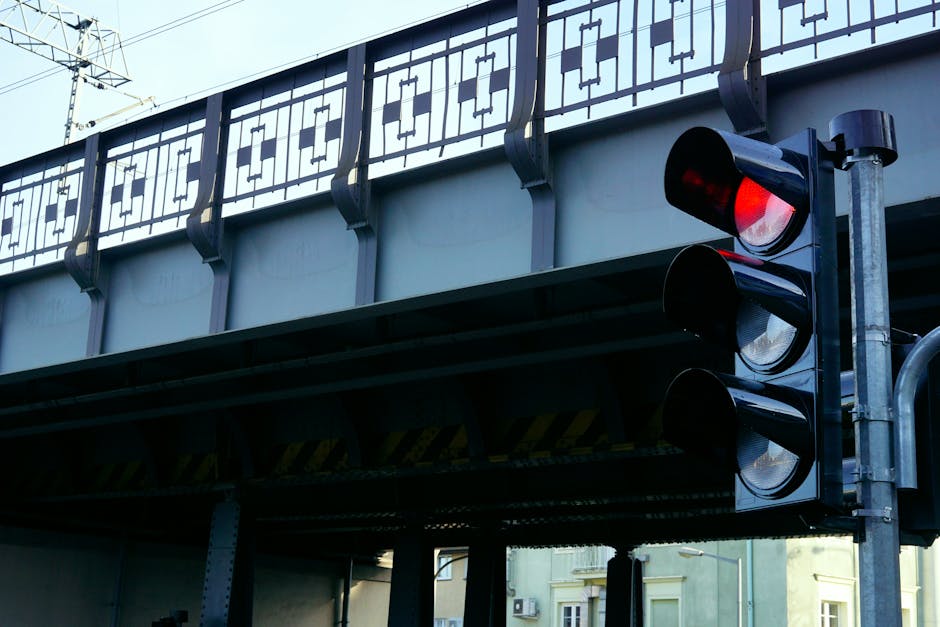
Understanding Traffic Signal Optimization
Traffic signal optimization is a method used to adjust the timing of traffic lights to improve the flow of traffic on the roads. By coordinating the signals in a way that reduces congestion and minimizes delays, it helps to make the streets safer for everyone.
Optimizing traffic signals involves analyzing traffic patterns, adjusting signal timing based on real-time data, and considering factors like the volume of vehicles and pedestrians at different times of the day. When done effectively, traffic signal optimization can result in smoother traffic flow, less idling at intersections, and fewer accidents caused by congestion or confusion. This process plays a crucial role in enhancing the overall safety and efficiency of Toronto’s streets.

Importance of Traffic Signal Optimization in Road Safety
Traffic signal optimization plays a crucial role in ensuring safer roads in Toronto. Optimizing traffic signals helps to coordinate the flow of vehicles, reducing congestion, and minimizing accidents. By adjusting signal timing based on traffic patterns, intersections become more efficient, leading to smoother traffic flow and decreased chances of collisions. Properly timed signals help pedestrians cross the road safely and efficiently, contributing to overall road safety. Properly optimized traffic signals are an essential component of creating a safer environment for everyone on the road.
Benefits of Optimized Traffic Signals
Traffic signal optimization plays a vital role in making Toronto streets safer for everyone. Optimized traffic signals can help reduce congestion, improve traffic flow, and shorten travel times for commuters. By synchronizing signals at key intersections, drivers experience fewer stops and starts, which can lead to a smoother and safer driving experience. Additionally, optimized traffic signals can enhance pedestrian safety by providing clear and predictable crossing times. Overall, the benefits of traffic signal optimization include less time spent in traffic, reduced fuel consumption, lower emissions, and ultimately, a more efficient and safer transportation system for all road users.
How Traffic Signal Optimization Works
To optimize traffic signals, the timing of green, yellow, and red lights is adjusted based on real-time traffic flow. Sensors, cameras, and data analysis are used to monitor traffic patterns and make necessary changes. This helps improve traffic flow, reduce congestion, and enhance safety on Toronto streets.
Components of Traffic Signal Optimization
Traffic signal optimization involves three main components:
-
Traffic Volume Analysis: This component evaluates the amount of traffic in a specific area to determine the optimal timing for traffic lights.
-
Synchronization: Traffic lights are synchronized to create a smooth flow of traffic, reducing congestion and improving safety.
-
Adaptive Control Systems: These systems adjust signal timings in real-time based on current traffic conditions, enhancing efficiency on the roads.
Impact of Traffic Signal Optimization on Traffic Flow
You may not realize it, but traffic signal optimization plays a vital role in keeping traffic flowing smoothly on Toronto streets. By adjusting signal timings, traffic engineers can reduce congestion, minimize delays, and improve overall traffic flow efficiency. It’s like a well-choreographed dance, where the signals guide vehicles through intersections in the most efficient way possible. This optimization helps reduce accidents and frustration for drivers, ultimately contributing to safer and more pleasant journeys for everyone on the road.
Improving Pedestrian Safety through Signal Optimization
Pedestrian safety can be enhanced through signal optimization. By adjusting the timing of traffic lights, pedestrians can have more time to cross the street safely. This optimization can help reduce the risk of accidents and improve the overall safety of Toronto streets.
Implementing Traffic Signal Optimization in Toronto
Traffic signal optimization in Toronto is crucial for improving road safety and traffic flow. By implementing optimized traffic signals, the city can reduce congestion, decrease travel times, and enhance pedestrian safety.** Coordinated signals help vehicles move smoothly through intersections, reducing the risk of accidents and improving overall traffic efficiency.** Additionally, optimizing traffic signals can contribute to a more eco-friendly environment by reducing vehicle idling time and emissions. Overall, the implementation of traffic signal optimization in Toronto plays a significant role in creating safer and more efficient streets for both drivers and pedestrians.
Challenges and Solutions in Traffic Signal Optimization
Traffic signal optimization faces challenges like coordinating signals, adapting to changing traffic patterns, and balancing traffic flow. Solutions include technology advancements allowing real-time adjustments, data analysis for smarter signal timing decisions, and coordination between different signals to improve overall traffic efficiency. These challenges and solutions play a crucial role in creating safer and more efficient streets in Toronto.
Enhancing Street Safety with Traffic Signal Optimization
Traffic signal optimization aims to make Toronto streets safer by improving the efficiency of traffic flow and reducing congestion. By synchronizing traffic signals, vehicles can move more smoothly through intersections, decreasing the likelihood of accidents and minimizing delays. This optimization involves adjusting the timing of signals based on real-time traffic data to maximize safety for both drivers and pedestrians.
