

Transportation engineering is at the forefront of crafting the cities of tomorrow. As urban areas grow and evolve, the role of transportation professionals becomes increasingly pivotal in developing systems that are not only efficient but also sustainable and inclusive. In this article, we’ll explore ten innovative ways transportation engineering is revolutionizing urban living.
1. Smart Traffic Management Systems
Explore how smart technologies are optimizing traffic flow and reducing congestion in urban centers, making commutes smoother and more efficient for everyone.
These systems utilize real-time data to monitor traffic patterns, ensuring that traffic signals adjust automatically to the flow of vehicles, pedestrians, and cyclists. Imagine a world where stoplights adapt to the number of cars waiting, reducing idling times and enhancing overall efficiency. As cities embrace the Internet of Things (IoT), the potential for smart traffic management continues to expand, leading towards a vision of seamless urban mobility.
2. Sustainable Public Transportation Solutions
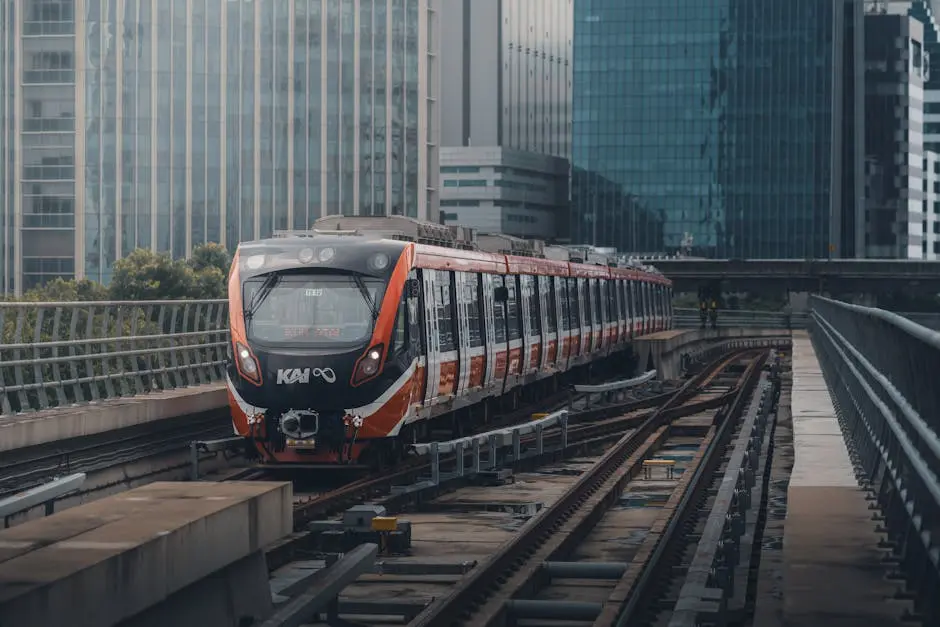
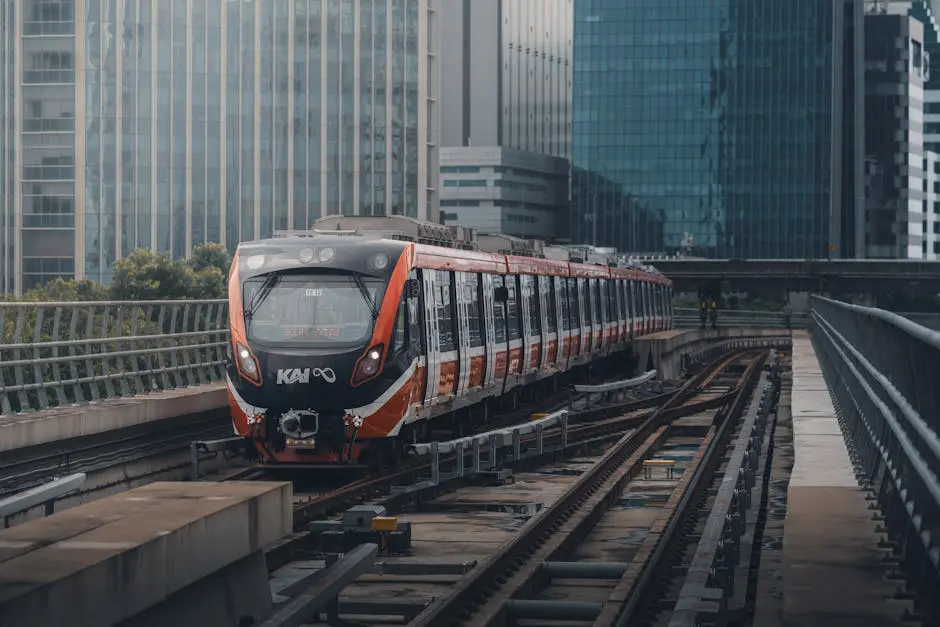
Learn about the advancements in sustainable public transport options that prioritize eco-friendliness, like electric buses and solar-powered trains.
With cities grappling with air pollution, innovative solutions are emerging. Electric buses are not only silent but also help reduce greenhouse gas emissions. Furthermore, solar-powered trains are paving the way for greener rail networks, allowing travelers to enjoy a sustainable mode of transport. Local governments are increasingly investing in these technologies, promoting a culture of sustainability while providing citizens with clean and efficient options for getting around.
Moreover, many municipalities are actively engaging in integrated ticketing systems that allow seamless transfers between different forms of transport. This holistic approach not only simplifies commuting but also makes public transport an attractive alternative to personal vehicles.
3. Walkable Urban Designs
Discover how urban planners are creating pedestrian-friendly spaces that enhance community connection and encourage walking as a primary mode of transport.
Emphasizing walkability, cities are transforming old streets into vibrant pedestrian zones. This shift fosters healthier lifestyles while also encouraging social interactions among residents. Wider sidewalks, clear signage, and dedicated pedestrian crossings create a culture that celebrates walking, empowering citizens to explore their neighborhoods more freely.
As walkable urban designs take shape, cities are witnessing a revival in local businesses as well. More foot traffic means more customers for cafés, shops, and markets, reinforcing the community’s economic sustainability. This symbiotic relationship between infrastructure and local commerce illustrates the far-reaching benefits of prioritizing pedestrian-friendly environments, showcasing a holistic outlook towards urban development.
4. Bicycle Infrastructure Innovations
Uncover how new bike lanes and cycling programs are promoting healthier lifestyles and reducing reliance on motor vehicles in cities.
Cities are now recognizing the value of cycling as a viable transport solution. The introduction of dedicated bike lanes not only improves safety for cyclists but also encourages more people to embrace biking short distances. Initiatives aimed at promoting cycling are also being complemented by bike-sharing programs, making bicycles accessible to those who may not own one.
5. Integrated Multi-Modal Transportation
Delve into the concept of multi-modal transport systems that seamlessly connect different modes of transportation for a more cohesive urban experience.
This integration allows commuters to transition smoothly between buses, trains, bicycles, and other mobility options. Imagine stepping off a train and hopping directly onto a bike without pause. Cities like Amsterdam and Copenhagen are leading examples of how integrating various transport modes can significantly enhance commuter experience and reduce congestion.
By promoting such an extensive network, urban planners are creating environments where different transport modes work harmoniously. This not only maximizes efficiency but also minimizes environmental impact, aligning transportation systems with broader city sustainability goals.
6. Adaptive Road Design
Find out how adaptive road designs are enhancing safety and efficiency, accommodating various vehicles, and responding to changing urban landscapes.
Roadways are evolving to meet the needs of changing urban dynamics. With the rise of ride-sharing and autonomous vehicles, adaptive road designs enhance safety and efficiency. Smart pavements with embedded sensors detect traffic patterns and can adjust road conditions in real-time, providing a safer driving environment.
Such designs also focus on accommodating diverse road users, from bicycles to buses, ensuring that all vehicles coexist harmoniously. By integrating flexibility into road infrastructures, cities are better equipped to handle the continuous evolution of transport demands, fostering an adaptable urban landscape.
7. Data-Driven Urban Planning
Learn how data analytics are informing planning decisions and improving transportation systems to better meet the needs of urban populations.
As cities amass vast amounts of data, transportation engineering has embraced analytical tools to interpret this information. By utilizing data from mobile applications, traffic cameras, and public feedback, urban planners gain invaluable insights into commuting habits and pain points.
This approach allows for more strategic infrastructure development and ensures that resources are allocated efficiently. Furthermore, continuous feedback loops between planners and the community enhance the relevance and effectiveness of urban transportation initiatives, showing a commitment to meeting actual user needs.
8. The Rise of Autonomous Vehicles
Explore the implications of self-driving cars on urban mobility, safety, and the overall design of our transportation infrastructure.
As self-driving technology becomes more viable, cities brace for an evolution in vehicular dynamics. Autonomous vehicles promise to reduce accidents caused by human error while optimizing traffic flow. The integration of these vehicles in urban planning raises fascinating questions about road use, designated lanes, and parking spaces, all of which will need to be reconsidered.
Furthermore, the concept of shared autonomous vehicles could reshape car ownership and encourage a shift towards more sustainable transport models, ultimately leading to reduced congestion and improved urban air quality. By understanding these shifts, we can better prepare our infrastructure for the future.
9. Resilient Infrastructure for Climate Change
Understand the importance of designing transport systems that can withstand climate impacts and reduce carbon footprints in urban environments.
With the climate crisis looming, resilient infrastructure has become a necessity rather than an option. Transportation engineering is responding by designing systems capable of weathering extreme conditions—be it floods, rising sea levels, or heat waves. This attitude not only safeguards existing investments but also ensures that future developments are sustainable and adaptive.
By incorporating materials and technology that enhance durability and minimize environmental impacts, cities can better prepare their transportation frameworks to thrive amidst climate uncertainties. Urban planners are advocating for green transportation options, further cementing the commitment to reducing urban carbon footprints.
10. Community-Centric Transportation Projects
Discuss how involving communities in transportation project planning leads to solutions that better reflect the needs and desires of local residents.
Involving community members in transportation planning processes results in designs that resonate more closely with those they serve. Town hall meetings, surveys, and workshops are valuable for gathering insights from residents on how they interact with their city’s transport systems.
This collaborative approach highlights a commitment towards inclusivity and directs efforts towards creating transport solutions that enhance genuine community needs. When people feel engaged and heard, they are more likely to embrace changes. As such, community-centric projects do not just increase utility; they foster a sense of ownership and pride in urban spaces.
