


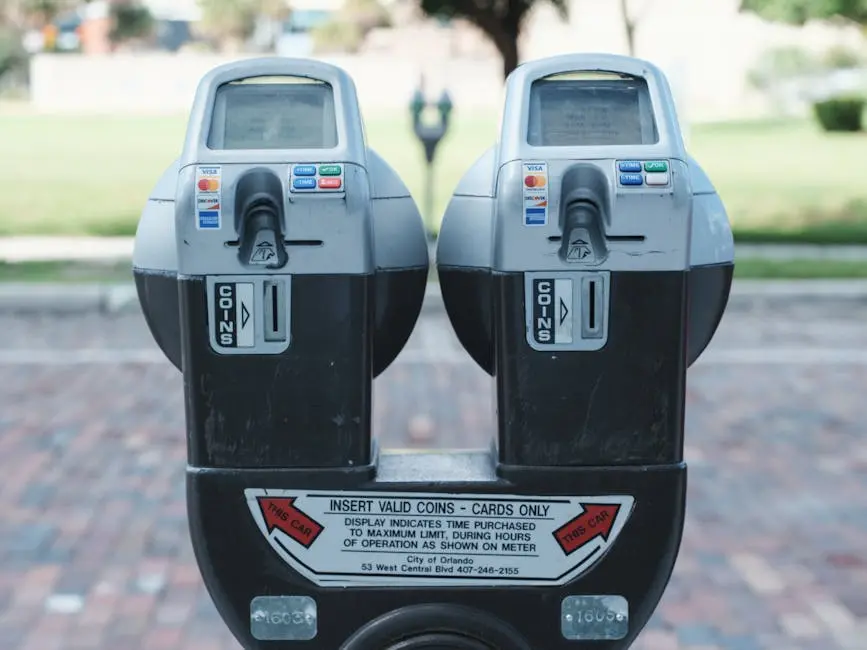
As Toronto’s urban landscape continues to grow and evolve, the need for innovative parking solutions has never been more critical. Smart parking technology is emerging as a game-changer, offering exciting ways to enhance urban mobility and reduce congestion. This blog will explore how these advanced solutions are reshaping Toronto’s parking infrastructure, making city life more accessible and enjoyable for everyone.
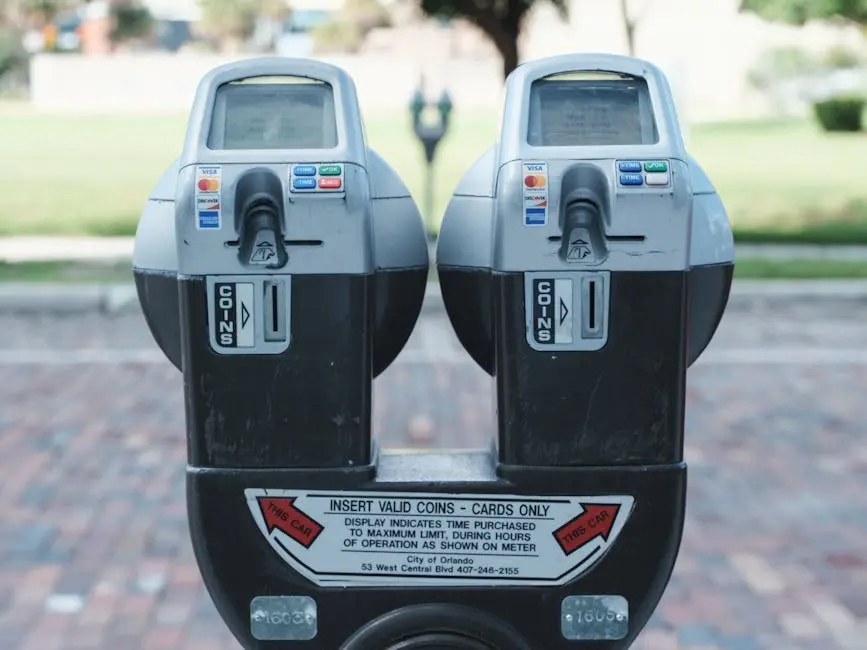
Understanding Smart Parking Technology
Smart parking technology integrates sensors, GPS, and mobile apps to enhance the parking experience for users. By providing real-time information about available spaces, this technology can significantly reduce the time spent looking for parking.
With the advent of smart parking, drivers can receive notifications about empty spots just a short distance away, bypassing frustrating circles around blocks or long wait times. Imagine a system that alerts you when a parking space opens within seconds of it becoming available, just a tap away on your smartphone.
Moreover, smart parking solutions do not just benefit the users; they also provide valuable data to city planners. This data can help in predicting parking demands and optimizing urban planning, creating a more efficient urban landscape overall.
The seamless integration of cutting-edge technology makes the parking experience not only easier but also more enjoyable. In a bustling metropolis like Toronto, where time is precious, the idea of finding parking without the hassle could enhance daily commuting and contribute to enhanced urban mobility.
Benefits of Smart Parking Solutions
From reducing traffic congestion to lowering emissions, smart parking solutions offer multiple benefits. They not only improve the overall efficiency of urban mobility but also enhance user experience by simplifying the parking process.
One of the primary advantages of smart parking is its ability to cut down on the amount of time spent searching for a parking spot, which is a significant contributor to downtown traffic congestion. It is estimated that about 30% of urban traffic is caused by drivers looking for parking. By enabling real-time updates about space availability, these solutions can drastically reduce this problem.
Additionally, smart parking can contribute to environmental sustainability. By decreasing the time cars spend idling while searching for parking, we can reduce harmful emissions, making urban living more eco-friendly and aligned with Toronto’s green initiatives. This shift towards sustainability is not only beneficial for the environment but can also improve the quality of life for residents.
Finally, enhanced parking solutions can lead to increased economic activity. When parking is easier and more reliable, it encourages more people to visit local businesses, boosting the economy in these areas. Convenience can be a major factor in consumer choices, and smart parking may play a crucial role in it.
Implementing Smart Parking in Toronto
Toronto is beginning to adopt smart parking solutions. This section will cover the pilot programs, partnerships, and technologies currently being explored and implemented to enhance parking in the city.
Currently, various city officials and tech companies are collaborating on pilot programs designed to test the waters of smart parking in selected neighborhoods. This approach not only allows for practical observation but also facilitates gathering community feedback, essential for any successful implementation.
Mobile apps are being developed that will allow users to reserve and pay for parking spaces in advance, further simplifying the parking experience. Some tests have shown that users appreciate having all the information at their fingertips before even leaving their homes, resulting in more efficient trips.
Moreover, Toronto is also working to incorporate smart meters equipped with sensors that track the availability of spaces in real time. This data can support a more dynamic pricing model that adjusts according to demand, making the best use of urban resources and encouraging turnover in busy areas.
Case Studies: Success Stories from Other Cities
Cities like San Francisco and Amsterdam have successfully implemented smart parking systems. By examining these examples, we can glean valuable insights into best practices and potential pitfalls for Toronto.
San Francisco’s parklets have transformed limited spaces into dynamic parking and community areas. The synergy between this innovative use of space and smart parking solutions provides excellent evidence of how cities can evolve with technology while maintaining a vibrant community.
In Amsterdam, smart parking sensors have significantly decreased search time for parking. Users receive real-time data about availability directly through their smartphones, enhancing the visitor experience while promoting the use of public transport options. Analyzing these success stories can offer Toronto a roadmap as it navigates similar changes, ensuring that solutions are tailored to meet the needs of its unique urban landscape.
Furthermore, these cities highlight the importance of public engagement and communication. Effective outreach tends to ease public concerns and foster trust in new technologies. Toronto can learn from these examples to prepare its citizens for the innovative changes it is aiming to roll out.
Challenges and Concerns with Smart Parking Solutions
While smart parking solutions promise numerous advantages, there are challenges to overcome. This section will discuss privacy concerns, technological limitations, and the importance of public acceptance.
Privacy remains a significant concern among users who are often hesitant to share their location and parking behavior data. Addressing these issues is paramount to cultivating public trust. Transparency in how data is collected, stored, and utilized will be essential for the successful rollout of any smart parking initiative.
Equally crucial is ensuring that the technology being used is reliable and user-friendly. Implementing systems that experience frequent outages or are complicated to navigate might dissuade users from utilizing smart parking altogether. Therefore, ongoing evaluation and updates are vital for maintaining functionality.
Finally, public acceptance is a hurdle that must be acknowledged. Many residents may be resistant to change, especially if they perceive smart parking as a way to impose additional fees or regulations. Hence, engaging community stakeholders and hosting open forums can help create a dialogue that educates and reassures the public about the benefits.
The Future of Parking in Urban Environments
As technology evolves, so will parking solutions. Exploring upcoming trends in urban mobility, including automated parking and electric vehicle integration, can help us understand what the future holds for parking in Toronto.
Automated parking systems are gaining traction globally. These tech solutions allow vehicles to park themselves, eliminating the hassle of finding a spot. Imagine a future where drivers drop their cars off at a designated drop-off zone, and then the vehicle automatically finds its own parking space. Such systems could radically change the urban driving experience.
Additionally, as electric vehicles continue to rise in popularity, integrating charging stations into the smart parking infrastructure will be essential. Toronto can enhance the urban mobility experience by ensuring that parking spaces cater to the charging needs of electric vehicles without causing disruption.
In conclusion, as we examine these trends, it becomes clear that smart parking solutions hold the key to revolutionizing Toronto’s urban landscape. By embracing these changes, we can pave the way for a more accessible and enjoyable city for residents and visitors alike.
Embracing the Future of Urban Mobility
The future of urban mobility in Toronto is bright, thanks to smart parking solutions that not only streamline parking processes but also contribute to a more sustainable and efficient city. As technology continues to innovate, we can expect further advancements that will transform our experience in urban spaces. Embracing these changes is key to navigating the challenges of city living.
