


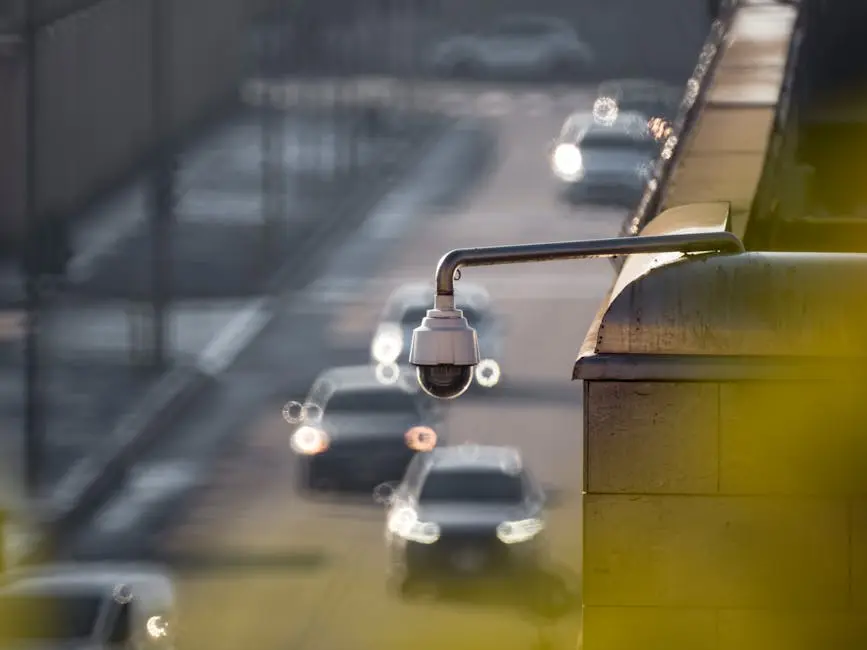
In an ever-evolving urban landscape, ensuring road safety is more crucial than ever. Thanks to the integration of innovative technologies, road safety audits in Toronto are becoming more efficient and effective. This blog will explore eight smart technologies that are making a significant impact on road safety, helping to keep our communities safe.
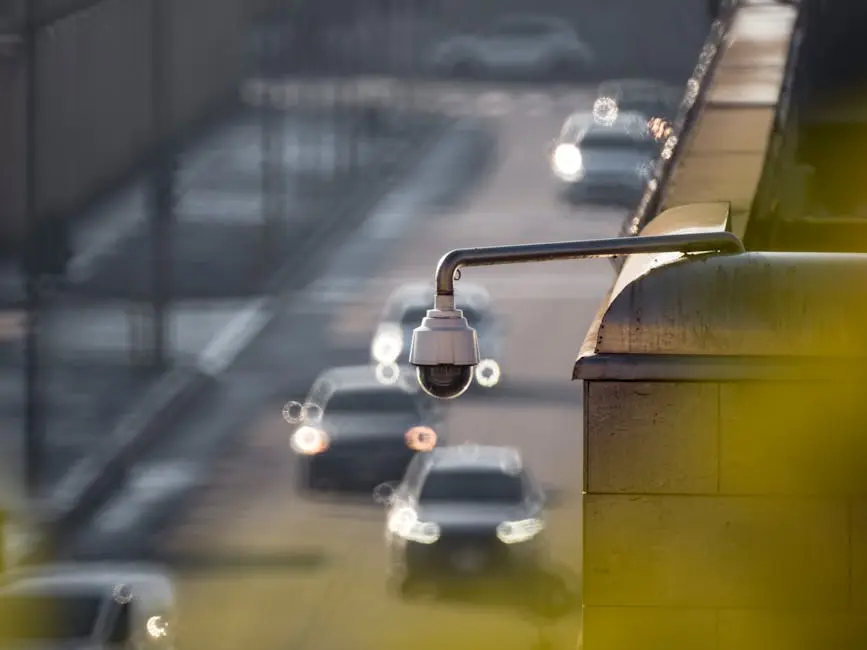
1. AI-Powered Traffic Analytics
Artificial intelligence is revolutionizing traffic analytics by processing vast amounts of data to identify patterns and predict problematic areas. By utilizing machine learning algorithms, city planners can make informed decisions for enhancing road safety. For instance, AI can analyze historical accident data and current traffic conditions to pinpoint locations with a higher likelihood of incidents. This not only aids in immediate safety improvements but also contributes to long-term planning.
Additionally, the integration of AI can help in real-time traffic management. Imagine a scenario where traffic lights adjust dynamically based on traffic flow. This not only improves the overall driving experience but also reduces the frustration of stop-and-go traffic that can lead to dangerous situations. AI-powered systems are paving the way for a much smarter, responsive urban transportation network.
2. Smart Traffic Signals
Smart traffic signals adapt in real-time to varying traffic conditions, optimizing flow and reducing congestion. This technology leads to fewer accidents and promotes safer pedestrian crossings by giving them priority when needed. For example, during peak hours, these signals can extend green light durations for heavy traffic, ensuring smoother transitions at intersections.
Furthermore, the ability of smart traffic signals to communicate with connected vehicles enhances their effectiveness. These signals can send alerts to drivers about upcoming red lights or traffic congestion ahead, allowing for better decision-making and encouraging safer driving behaviors. The evolution of traffic signal technology offers an intriguing glimpse into a future where every element of our roadways works in harmony.
3. Real-Time Incident Detection Systems
These systems use advanced sensors and cameras to quickly identify accidents or dangerous road conditions. The rapid response allows emergency services to reach the scene faster, minimizing the potential for secondary incidents. Imagine a scenario where a collision is detected even before drivers report it, triggering immediate alerts to both authorities and nearby motorists.
In addition, these systems can analyze data patterns to recommend strategic placements for future safety enhancements. By identifying frequent accident hotspots, city officials can allocate resources more effectively, implementing changes that are most likely to save lives. This data-driven approach creates a robust framework for continuously improving road safety audits.
4. Connected Vehicle Technology
Connected vehicles communicate with each other and surrounding infrastructure, sharing valuable information about road hazards, traffic conditions, and more. This seamless exchange of data helps to prevent collisions and enhances overall road safety. For instance, if a car ahead brakes suddenly, it can alert following vehicles—allowing them to react swiftly and avoid a rear-end collision.
Moreover, this technology opens up new avenues for improving the driving experience. For example, drivers can receive updates about nearby construction zones or changing weather conditions, allowing them to choose safer routes. The potential for connected vehicle technology to transform how we navigate our roadways is immense, making it an exciting development in the realm of road safety.
5. Drones for Surveying and Monitoring
Drones provide an aerial view of road conditions and construction projects, offering valuable insights that traditional methods may miss. This technology aids in identifying hazards and planning safer routes. For instance, drones can quickly assess the impact of severe weather on road conditions, helping city planners act swiftly before a hazardous situation arises.
In the long run, the use of drones could significantly reduce audit times and improve the accuracy of reports. Regular aerial surveys can ensure that maintenance work is prioritized in areas that are most vulnerable, while also helping to streamline planning for new infrastructure. As a result, communities can rest easy, knowing that their roads are being monitored effectively.
6. Mobile Safety Apps for Drivers
Mobile applications designed for drivers can alert them to potential hazards, traffic updates, and road safety tips. These apps play a crucial role in promoting responsible driving behavior and keeping users informed. With notifications about accidents or road closures, drivers can adjust their routes proactively, reducing stress and the likelihood of dangerous encounters.
Moreover, these apps can also engage users in a gamified way, encouraging safe driving practices through rewards and challenges. For example, drivers might earn points for braking smoothly or adhering to speed limits. By incentivizing safe habits, mobile safety apps not only enhance individual safety but contribute to the creation of a culture of road safety.
7. Big Data and Predictive Analytics
Utilizing big data, cities can analyze accident trends over time and identify high-risk areas. Predictive analytics help in proactively implementing road safety measures where they are most needed. Imagine utilizing thousands of data points to forecast where accidents are most likely to occur during specific times of the day—this would be a game changer for urban planning.
Additionally, big data can facilitate better resource allocation. By pinpointing trends in crash data, municipalities can prioritize road repairs, increase signage, or enhance lighting in areas showing alarming patterns. This strategic approach ensures that preventive measures are not just reactive, but proactive and data-driven.
8. Virtual Reality for Training and Education
Virtual reality technology is being used to train both drivers and traffic enforcement officers, offering immersive simulations that prepare them for real-life scenarios. This innovative approach fosters a better understanding of road safety regulations and practices. Such training can be pivotal for new drivers, giving them the opportunity to experience handling difficult road conditions safely.
Moreover, VR can be instrumental in educating the public about safe driving habits. By simulating reckless driving scenarios or teaching about the importance of pedestrian safety, VR can foster empathy and encourage safer behavior among all road users. This immersive learning experience makes it easier to grasp complex traffic laws and their significance.
