

Urban transportation planning is on the verge of a revolution. With rapid advancements in technology and a growing emphasis on sustainability, cities around the world are reimagining how we move. This blog will explore twelve innovative ideas that are not only exciting but also practical solutions to the challenges urban areas face today.
1. Smart Traffic Management Systems
Harnessing real-time data, these systems optimize traffic flow and reduce congestion, making city driving smoother for all. While many cities face the mounting challenge of traffic jams, the application of advanced algorithms can significantly streamline vehicular movement. By integrating sensors and cameras, these systems collect invaluable information, such as vehicle speed and density. This data then allows for adaptive traffic signal timings that can ebb and flow based on the current conditions. Imagine driving in a city where stoplights adjust to keep traffic smoothly moving rather than causing frustrating delays!
In addition, smart traffic management helps not just drivers, but also cyclists and pedestrians. These systems can prioritize signals for non-motorized users in busy areas, enhancing safety and encouraging more sustainable modes of transport. Public safety is greatly increased as accidents decrease and emergency vehicles get timely access to their destinations. Clearly, as urban areas grow denser, smart traffic management systems are not just an option but a necessary evolution.
2. Electric Vehicle Infrastructure Expansion
With a rise in electric vehicles, cities are investing heavily in charging stations, paving the way for cleaner commutes. As electric cars become more popular, urban planners understand the importance of extensive charging networks to support this shift. These charging stations are appearing in various locations—think shopping centers, workplaces, and public parking lots—making it easier than ever to plug in. This not only promotes sustainable travel options but also helps to diminish our collective carbon footprint.
Moreover, the integration of solar- and wind-powered charging stations brings an additional layer of environmental benefit. By harnessing renewable energy, urban transportation planning can further contribute to cleaner air and reduced reliance on fossil fuels. This synergy between electric vehicles and sustainable energy promises an eco-friendly future that is within our grasp, demonstrating that the cities of tomorrow can thrive without compromising the well-being of our planet.
3. Shared Mobility Services
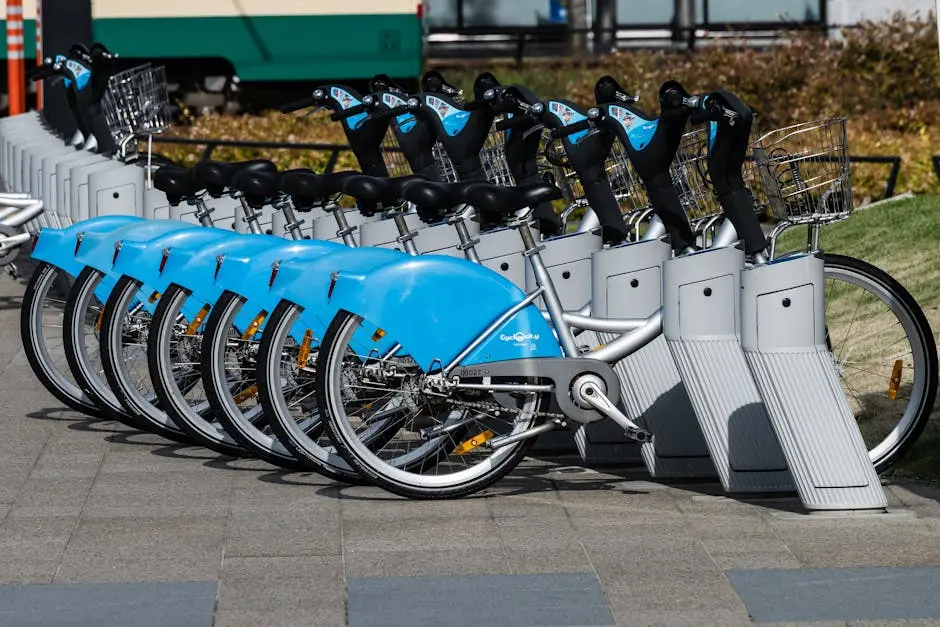
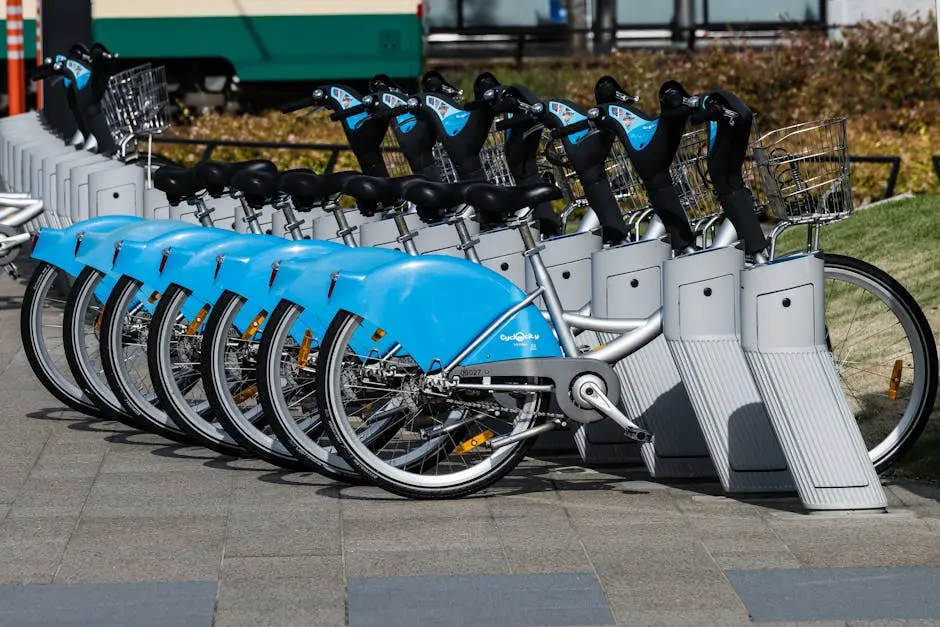
Car-sharing and bike-sharing programs are gaining popularity, reducing the need for personal vehicle ownership and promoting eco-friendliness. In urban settings, the benefits of these services are evident; they offer residents a flexible solution for transportation without the financial and environmental burdens of owning a car. Many people might find it hard to believe, but studies show that a car-sharing vehicle can replace up to fifteen privately owned cars! That’s a substantial reduction in not only traffic congestion but also the emissions that contribute to climate change.
Additionally, bike-sharing programs have become a staple in many metropolitan areas. They provide an easy, healthy alternative for short trips and encourage as well as facilitate a more active lifestyle. As cities become more bike-friendly with dedicated lanes and safety measures, the prospects for shared mobility services only grow brighter. These initiatives empower communities to make better travel choices, shaping a more sustainable urban future.
4. Integrated Multimodal Transport Platforms
Providing users with seamless options across various transport modes, these platforms enhance user experience and efficiency. The integrated multimodal transport systems—combining buses, trains, bikes, and even ride-sharing—offer urban dwellers a one-stop solution for all their commuting needs. Picture yourself hopping onto a train, then swiftly transitioning to a bike waiting just outside the station, all coordinated through a single app. It’s not just convenient; it’s a smarter, more efficient way to navigate our cities.
Moreover, these platforms bring transparency and ease to trip planning. Real-time updates regarding transit schedules and traffic conditions empower commuters to make informed decisions. Such innovation attracts users who might otherwise shy away from public transport, thereby enhancing overall urban mobility. This interconnected approach represents a significant leap forward in urban transportation planning, setting the stage for a truly integrated travel experience that embraces technology and sustainability.
5. Autonomous Public Transportation
Driverless buses and shuttles are not just a futuristic concept but are being piloted in cities to improve accessibility. These autonomous vehicles can operate on set routes, effectively reducing the need for human drivers and allowing for more frequent service. This introduces a level of efficiency and flexibility that traditional public transit cannot match. Imagine hopping onto a shuttle that arrives at your stop every few minutes without a driver! The potential for reducing wait times and maximizing service frequency is immense.
Furthermore, autonomous public transit can significantly assist in reaching underserved areas, providing reliable transportation solutions to communities that might struggle with access. By learning from data collected in real-time, these vehicles can adapt their routes based on demand, ensuring that even the most isolated neighborhoods are connected effectively. The integration of such technology signals an exciting shift towards a more accessible urban landscape.
6. Urban Air Mobility Solutions
Drones and air taxis are being explored as alternatives for short-distance transport, potentially alleviating ground congestion. As urban populations swell, traditional transport methods reach their limits. Enter urban air mobility—a revolutionary alternative that might just reshape how we traverse the skies above our cities. One aerial taxi every fifteen minutes could free up countless ground vehicles, reducing traffic, pollution, and commute times.
However, while the concept sounds enticing, it does raise questions about air traffic regulation and urban infrastructure. Introducing air taxis means cities must rethink their designs and routes. Nevertheless, cities like Los Angeles and Dallas are already experimenting with air taxi prototypes, trying to turn this ambitious vision into a reality. Utilizing the vertical space above bustling cityscapes may indeed hold the key to sustainable and efficient urban transport of the future.
7. Personal Rapid Transit Systems
These automated, small-scale transit systems offer quick connections within urban areas, enhancing last-mile solutions. Imagine arriving at a transit hub and instantly accessing a personal rapid transit vehicle to reach your final destination. These systems can reduce the time spent travelling short distances, targeting the critical gaps that often trouble public transportation users. Moreover, by connecting with mainline transit systems, they facilitate smoother transitions for passengers.
The flexibility of personal rapid transit also comes from its potential to adapt to different urban layouts and varying passenger demands. Unlike traditional buses or taxis, these automated units can often squeeze into tight spots or narrow streets, ultimately bringing transportation to places that might be overlooked. By implementing these solutions, cities can effectively address the last-mile problem, ensuring that public transport remains accessible and appealing to everyone.
8. Sustainable Urban Transit Planning
A focus on eco-friendly infrastructure is guiding planners to create sustainable pathways that prioritize pedestrian and bike traffic. Urban areas are beginning to realize that the future of transportation does not solely rely on motor vehicles. Planners are now shaping cities that encourage walking and cycling, integrating green spaces along major corridors and creating bike lanes where necessary. This transition fosters healthier lifestyles and promotes community interaction, as neighborhoods become more connected.
Furthermore, investing in sustainable transit reflects a commitment to environmental stewardship. From energy-efficient buses to solar-powered traffic lights, cities are leaning into innovative practices that push their boundaries toward sustainability. By prioritizing public transport options that emit fewer greenhouse gases, urban transportation planning strives to not only revolutionize mobility but also maintain a balance with our planet’s health.
9. Big Data in Transportation Analysis
Utilizing big data analytics, cities can better understand commuting patterns and improve overall transit planning. The vast amounts of data generated by commuters, vehicles, and traffic flow provide insights that were previously unattainable. Cities can analyze this information to identify congestion hotspots, peak travel times, and user preferences, leading to data-driven decisions that enhance service efficiencies. Tools like machine learning can predict future transport needs, aligning infrastructure development with ongoing trends.
However, harnessing big data does come with its challenges. Mobile apps, GPS tracking, and payment systems all collect personal information, raising concerns about privacy and security. It’s essential for urban planners to strike a fine balance between leveraging data for improvement while safeguarding citizens’ rights. Continuing to innovate in how we gather and utilize information will play a key role in advancing urban transportation planning in a thoughtful and responsible manner.
10. Green Transit Options
Public transit networks are increasingly adopting green technologies, such as hydrogen buses and solar-powered stations. These alternatives to traditional diesel and gas-powered vehicles significantly cut harmful emissions, promoting a cleaner urban environment. As cities worldwide commit to lower carbon footprints, investing in green transit options is becoming a priority. Riders are not only given reliable transport but can also feel good about their choices.
Furthermore, as innovations in technology continue to emerge, expect to see more cities trialing the integration of renewable energy sources in their transit operations. This could mean installing solar panels on bus stops or powering portions of metropolitan rail systems with wind energy. The increasing accessibility of green technology makes adopting these practices within urban transportation planning more feasible than ever. It’s a step closer to a future where public transport is synonymous with sustainability.
11. Community-Centric Transportation Planning
Engaging local communities in the transportation planning process ensures that the needs of residents are met effectively. Often, successful urban transportation initiatives stem from collaboration and input from those who know the community best. Workshops, town hall meetings, and surveys allow planners to hear firsthand accounts of people’s transportation challenges and aspirations. By listening to local voices, cities can tailor services that resonate with their unique demographics.
Moreover, community-centric approaches help demystify the planning process, fostering a sense of ownership among residents. When people feel empowered to contribute to decisions that affect them, they are more likely to embrace and support new transportation initiatives. This kind of engagement is essential for building trust and ensuring that proposed solutions are both practical and inclusive. Ultimately, effective transportation planning is as much about the community as it is about the technology.
12. Virtual Reality for Urban Planning
By using VR, planners can visualize potential changes and garner public input before implementing drastic changes. Imagine stepping into a virtual simulation of your future city streets with new bike lanes, transit stations, and pedestrian zones. This immersive experience can help stakeholders explore different design options and gauge community reactions without the disruption of physical alterations. People can express their thoughts and concerns, leading to iterative adjustments that better serve the community’s needs.
Furthermore, utilizing virtual reality aids in training city planners and designers. As they can simulate diverse scenarios, they grow more adept in addressing complex urban challenges. VR technology is more than just an engaging tool; it represents a paradigm shift in how we think about urban spaces and their evolution. As cities continue to innovate, embracing such technologies will pave the way for thoughtful, responsive design, driven by the voices of the community.
