

Public transport planning is essential in ensuring that cities can adapt to growing populations and changing urban landscapes. It aims to facilitate the movement of people efficiently while minimizing environmental impacts. In this blog, we’ll explore the importance of thoughtful public transport planning and its role in shaping the future of urban transportation.
Understanding the Basics of Public Transport Planning
Public transport planning involves the strategic design of transportation systems that serve urban populations. It requires a deep understanding of demographics, travel patterns, and sustainability goals to create efficient systems that meet the needs of the community.
At its core, public transport planning is about making connections—both literal and metaphorical. A well-planned transport system can bridge gaps between neighborhoods, reduce travel times, and make commuting a breeze for thousands of residents.
Equally important is the recognition that public transport is a public good. It’s not just about getting from point A to B; it’s about enabling social equity. By analyzing the demographics of a city, planners can ensure that every community, no matter how small, has access to reliable transportation options.
Moreover, the integration of technology can enhance public transport planning. Digital tools allow planners to visualize transport networks, analyze traffic data, and simulate the impact of proposed changes before they’re implemented. This data-driven approach not only improves planning accuracy but also fosters community trust.
The Impact of Urbanization on Public Transport Needs
As urban areas expand, the demand for reliable and efficient public transport grows. We’ll discuss how rapid urbanization affects transport infrastructure and the need for adaptive planning to keep up with population changes.
Urbanization brings with it an influx of people and vehicles, which can overwhelm existing transport systems. This growing demand leads to congestion, which in turn impacts the economy, environment, and inhabitants’ quality of life. Effective public transport planning must consider these growing needs and adapt accordingly.
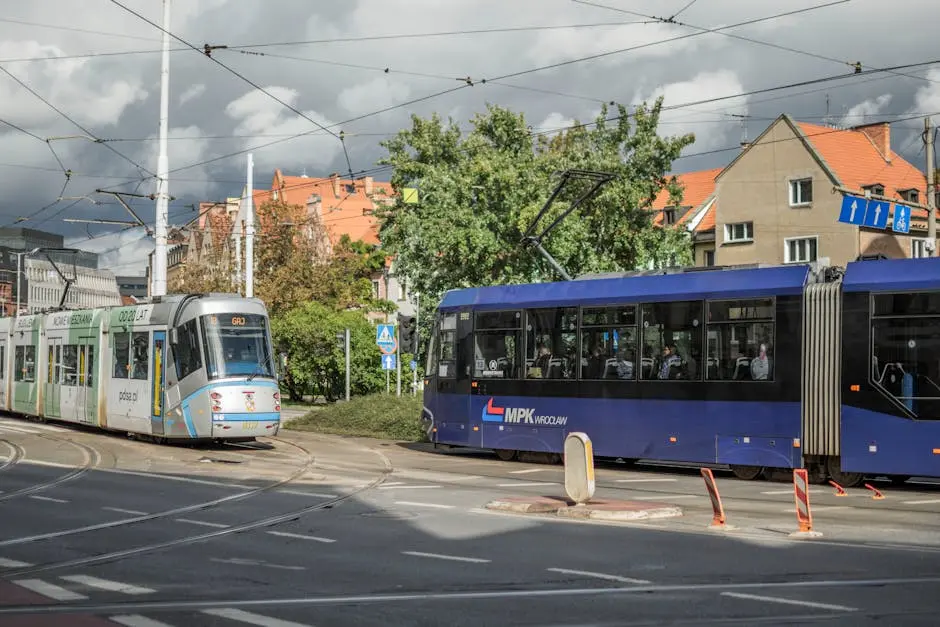
It’s crucial to recognize that the traditional methods of planning may no longer suffice. Instead, cities need flexible transport models that can evolve as population densities change. Developing multi-modal transport solutions, which combine buses, trams, bicycles, and pedestrian pathways, can alleviate some of these pressures.
Additionally, understanding local cultures and commuting habits is vital. Familiarity with how individuals from different backgrounds navigate the city can lead to creative solutions that resonate with diverse communities—thus ensuring that planning efforts are both effective and inclusive.
Innovative Solutions in Public Transport Planning
From smart traffic management systems to eco-friendly vehicles, innovation plays a key role in public transport planning. Here, we will delve into some of the latest advancements that are reshaping urban transport.
One noteworthy advancement is the rise of electric and hybrid buses, which significantly reduce emissions compared to their diesel counterparts. These eco-friendly modes of transport not only contribute to cleaner air but also can be more economical in the long run, making them an appealing option for city planners.
Equally significant is the implementation of real-time tracking technology, enabling commuters to stay informed about bus and train arrival times. Such features not only enhance user experience but also improve the overall efficiency of public transport services.
Moreover, the integration of ride-sharing services with public transport networks is an emerging trend. This combination allows for greater flexibility in commuting, providing solutions for areas that might not be directly serviced by traditional public transport options.
The Role of Community Engagement in Transport Planning
Effective public transport planning involves the local community to understand their needs and preferences. This section will explore how community input can lead to more effective transportation systems.
Engaging with the community is not just a checkbox on a planning agenda; it’s fundamental to the success of any transport project. By incorporating feedback from residents, planners can identify pain points and develop solutions that truly resonate with users.
Tailoring transport options based on community needs can also foster a sense of ownership. When community members feel invested in the planning process, they are more likely to utilize public transport, which boosts overall ridership and enhances sustainability.
To make engagement effective, utilizing digital platforms for surveys and community meetings can broaden participation. A diverse range of voices leads to a holistic understanding of the community’s needs, ultimately resulting in a more equitable transport system.
Case Studies: Successful Urban Transport Planning Examples
We’ll take a look at successful transport planning initiatives from cities around the world, highlighting what worked, what didn’t, and how those lessons can apply to future projects.
One standout example is the transformation of Bogotá’s TransMilenio system, which incorporated dedicated bus lanes and increased efficiency dramatically. By focusing on the integration of various transport modes, the city saw a significant decrease in travel times, setting a precedent for other urban areas.
Another noteworthy case is the implementation of the public bicycle-sharing program in Paris. By promoting cycling as a viable alternative to cars, Paris has made strides in combating urban congestion while catering to eco-conscious residents.
Challenges Facing Public Transport Planning
Public transport planning faces many challenges, from funding constraints to political opposition. In this section, we will discuss some of the obstacles and how they can be overcome.
Funding is often one of the most significant barriers to effective transport planning. Competing priorities within a city’s budget can lead to transport projects being sidelined. To address this, planners must present clear evidence of the long-term economic and social benefits of investing in public transport.
Political opposition can also stymie progress. Transportation projects frequently require broad coalition-building to gain necessary approvals. Engaging stakeholders from various sectors can foster support and help navigate the often-treacherous political landscape.
Looking Forward: The Importance of Effective Public Transport Planning
As cities continue to evolve, public transport planning will play a crucial role in connecting communities, reducing congestion, and promoting sustainable growth. By investing in innovative transport solutions and prioritizing accessibility, we can create urban environments that are not only livable but also thriving.
