

In the world of transportation engineering, data collection plays a crucial role in shaping our roadways, making our travel safer, and improving overall efficiency. But why is it so vital? In this blog, we’ll explore the importance of data collection and how it influences transportation systems.
Understanding Data Collection
Data collection in transportation engineering involves gathering various types of information related to traffic flow, road conditions, and user behavior, which serves as the backbone for informed decision-making.
At its core, data collection is about capturing real-time information that helps engineers understand what is happening on our roads. This can include anything from how many vehicles pass a certain point each day to the types of vehicles using the road.
Moreover, it helps in understanding seasonal variations. For instance, traffic data collected during the summer might differ significantly from winter due to vacations or weather conditions. This kind of information is essential for planning and continual improvement.
Additionally, leveraging technology like GPS and mobile applications enhances the efficiency of data collection. By utilizing these tools, engineers can gather vast amounts of data that were previously unattainable, providing deeper insights into transportation patterns.
Enhancing Road Safety
Accurate data collection enables engineers to identify high-risk areas and implement safety improvements, ultimately reducing accidents and saving lives.
For example, by analyzing accident data, engineers can pinpoint locations with frequent crashes and introduce measures such as better signage, traffic signals, or even redesigning the road layout.
Furthermore, data helps in evaluating the effectiveness of safety programs and interventions over time. If a new traffic signal reduces accidents at an intersection, that information can be used to promote similar implementations elsewhere.
Another vital aspect is the collection of feedback from road users. Surveys and mobile app data can reveal pedestrian experiences and concerns, leading to enhanced safety measures for everyone who uses the transport infrastructure.
Optimizing Traffic Flow
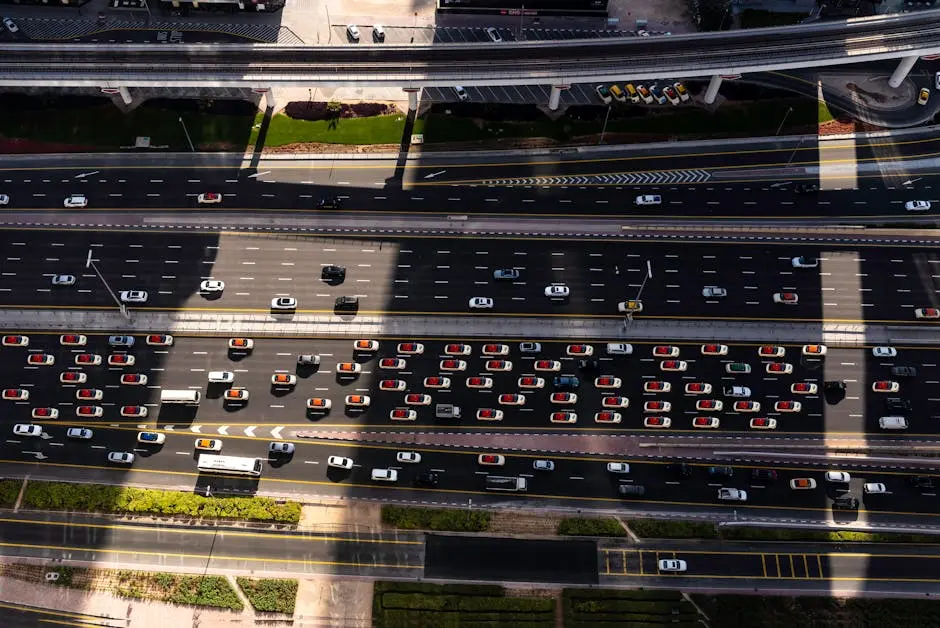
By analyzing traffic patterns through collected data, transportation engineers can devise better traffic management systems, leading to smoother, more efficient travel.
Traffic congestion can be frustrating for everyone. However, through strategic data collection, engineers can implement solutions. For instance, deploying smart traffic lights that adjust in real-time can alleviate bottlenecks.
Databases that compile commute times and traffic densities are invaluable. They allow for the design of alternative routes that can redistribute traffic effectively, reducing overall congestion.
Moreover, understanding peak travel times assists in anticipating and managing traffic spikes. By combining historical data with predictive modeling, transportation engineers can better mitigate delays and improve the user experience on our roads.
Supporting Infrastructure Development
Data collection facilitates the planning and design of new infrastructure by providing insights into current usage and future demands, ensuring sustainable growth in transportation networks.
To build effective transportation systems, accurate data is key. It helps engineers assess where new roads or bridges should be located based on demand, ensuring that resources are allocated efficiently.
Additionally, projecting future transportation needs based on current population and vehicle registration trends allows for proactive planning. This way, we can build infrastructure that is future-proof.
Ultimately, data-driven decisions lead to well-planned transportation projects that meet the needs of communities while minimizing wasted resources. The results are more accessible and reliable transport networks that cater to everyone.
In Summary
Understanding the significance of data collection in transportation engineering allows us to appreciate the careful planning and improvements that go into making our journeys better. By continuing to prioritize data, we can ensure the development of smarter, safer, and more efficient transport systems for the future.
