

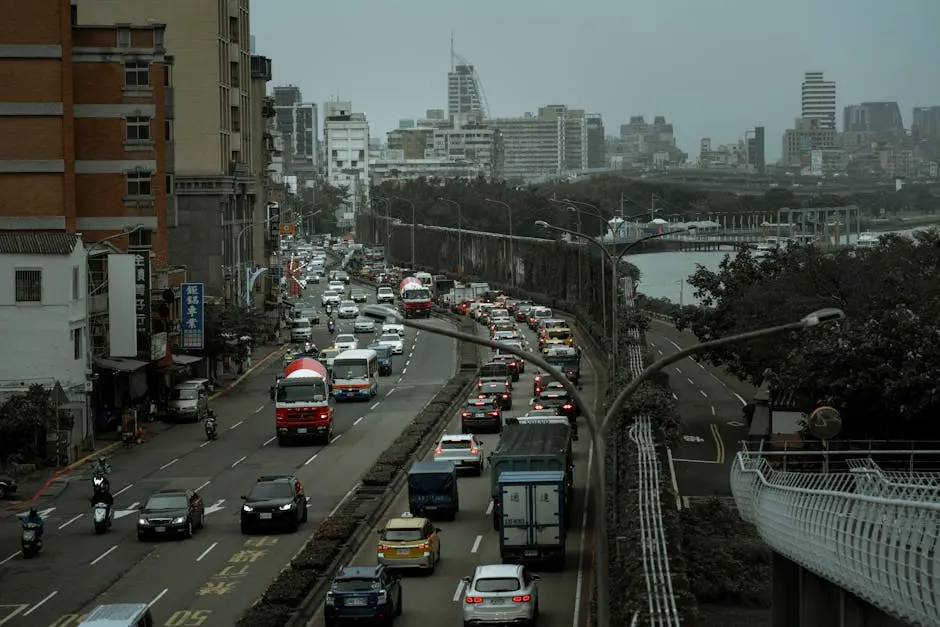
Traffic planning in urban areas is a crucial aspect of creating livable cities. With the rapid growth of populations and urban development, effective traffic management becomes even more important. In this article, we’ll explore ten practical and innovative ways to enhance traffic planning, making our cities safer and more efficient for everyone.
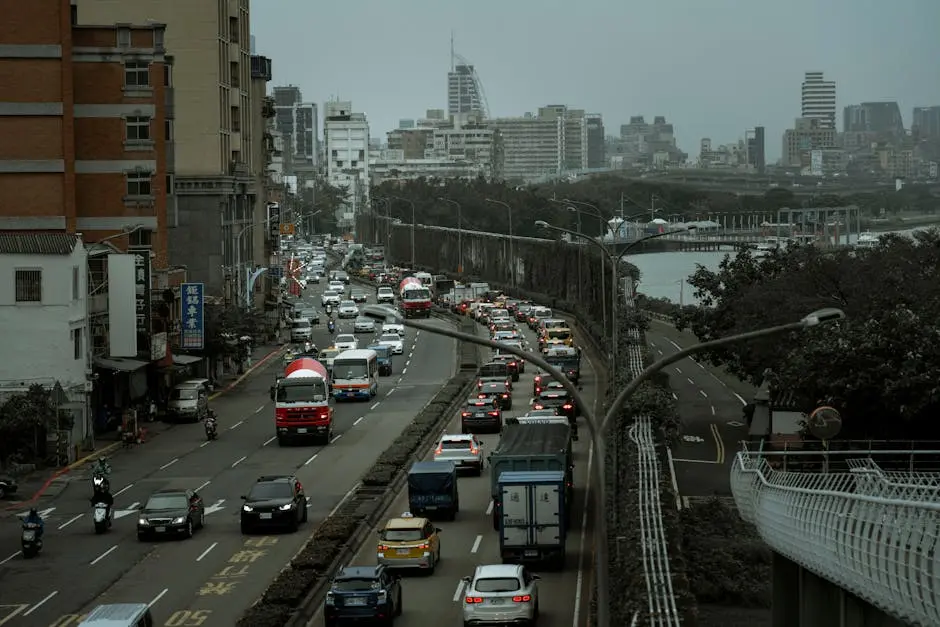
1. Leveraging Smart Technology
Integrating smart traffic systems can optimize traffic flow and reduce congestion, making use of real-time data to manage traffic signals. This approach not only enhances efficiency but also helps in adjusting traffic patterns dynamically. For instance, using AI-driven analytics ensures that traffic lights can adapt based on actual vehicle loads, rather than relying on fixed timing. Smart surveillance can also enable cities to respond quickly to accidents or blockages, which minimizes delays and ensures that emergency services can reach their destinations without unnecessary hold-ups.
Moreover, incorporating user-friendly mobile applications can empower citizens to choose optimal routes or transport modes based on live data. These apps can show traffic conditions, suggest alternative routes to avoid congestion, and even provide information about public transit schedules. Emphasizing the connection between technology and everyday commuting is vital, as it not only builds smart cities but also fosters community involvement in traffic planning.
2. Enhancing Public Transportation Options
Improving public transport not only reduces the number of vehicles on the road but also encourages a shift toward more sustainable living. For many urban residents, investing in modern transit options like electric buses or expanded subway systems can make public transport more attractive. The idea is to offer reliable, safe, and comfortable travel that can compete with the convenience of personal cars.
To take this a step further, cities should look into integrating various modes of transport. Consider implementing seamless connections between buses, trains, and ferries that allow commuters to switch modes without hassle. Using a single payment system across these different transport modes can significantly enhance usability, ensuring that residents can navigate the urban landscape smoothly.
Lastly, providing ample facilities at transport hubs—such as bike racks, parking spaces, and waiting areas—can enhance the overall commuting experience. This added convenience can encourage more riders, ultimately leading to lower traffic volumes.
3. Promoting Walking and Biking Infrastructure
Creating safe pathways and bike lanes can encourage more people to walk or ride, decreasing traffic volume and improving community health. On one hand, dedicated bike paths separate cyclists from vehicular traffic, providing both safety and peace of mind to riders. This incentive not only promotes individual health through physical activity but also contributes to a reduction in carbon footprint.
Furthermore, understanding where demand exists is key. Conducting surveys and community engagement initiatives can help city planners identify high-traffic pedestrian areas that would benefit from enhanced infrastructure. Simple features like pedestrian-friendly intersections and well-marked crosswalks can make a significant difference in safety and comfort levels.
Ultimately, fostering a culture that values walking and biking not only encourages healthier lifestyles but also strengthens community ties. Events like ‘Car-Free Days’ can be excellent opportunities for urban areas to highlight the benefits of non-motorized transport.
4. Implementing Traffic Calming Measures
Traffic calming strategies such as speed bumps and narrower streets can slow down vehicles and enhance safety for all road users. These measures not only create a more pedestrian-friendly atmosphere but also significantly reduce the likelihood of accidents, especially in densely populated neighborhoods. By altering road configurations, cities can create a more inviting environment for families and individuals alike.
Additionally, implementing high-visibility signage and road markings can inform drivers about speed limits and pedestrian zones. This heightened awareness can lead to more cautious driving behavior. Similarly, creating buffer zones with landscaping can provide further separation between vehicles and pedestrians, making streets safer and more appealing.
5. Incorporating Community Feedback
Engaging with local communities allows traffic planners to understand specific needs and concerns, leading to more effective and accepted solutions. Hosting town hall meetings or online forums provides a platform for residents to share their ideas and experiences, which can uncover valuable insights that data alone may miss.
Moreover, involving the community in the planning process fosters a sense of ownership over the local infrastructure. When people see their suggestions being implemented, they are more likely to comply with regulations and become advocates for sustainable transport initiatives.
6. Utilizing Data-Driven Insights
Analyzing traffic patterns and trends through data can help identify problem areas and optimize traffic flow more effectively. Traffic simulations based on historical data can predict outcomes of proposed changes in the urban landscape, such as new road layouts or added public transportation routes. This data-driven approach removes much of the guesswork, allowing urban planners to make informed decisions.
As technology evolves, so does the potential for real-time data collection. Sensors embedded in roads and traffic cameras can provide up-to-the-minute information on congestion levels and travel times, empowering traffic management systems to respond instantly to changing conditions. Not only does this enhance traffic flow, but it also reduces frustration among drivers, leading to a more pleasant travel experience overall.
7. Promoting Mixed-Use Development
Encouraging mixed-use developments shortens travel distances and promotes the use of alternative transportation methods, easing traffic congestion. By combining residential, commercial, and recreational spaces within a single area, cities can create vibrant communities where individuals can live, work, and play without the need for lengthy commutes.
This integration not only maximizes land use but also helps build a sense of community, fostering social connections among residents. Planners should prioritize accessibility in mixed-use areas, ensuring that essential services are within a walkable distance from homes.
8. Expanding Carpool and Rideshare Programs
Carpooling initiatives and rideshare programs can significantly reduce the number of vehicles on the road, contributing to less traffic congestion. Promoting these programs requires a robust public awareness campaign highlighting their benefits, such as cost savings and decreased environmental impact. One effective strategy is to create designated carpool lanes that give priority routes to vehicles with multiple passengers.
Moreover, developing partnerships with local businesses and organizations can help implement incentive programs. Incentives like discounted parking or commuter subsidies can encourage participation in carpool programs. Ultimately, fostering a community mindset around ridesharing encourages more people to think collectively about transportation, which can lead to long-term behavioral changes.
9. Creating Dedicated Freight Corridors
Identifying and developing dedicated freight routes can minimize interactions between commercial and residential traffic, ensuring smoother operations for all. Separating freight from regular traffic not only improves deliveries but also increases safety for pedestrians. Planning for these corridors involves strategic foresight and coordination with logistics providers to ensure that the infrastructure meets their needs without disrupting daily life for residents.
In addition, implementing measures such as designated times for freight transport can further reduce congestion during peak hours. By establishing a framework that prioritizes both efficiency in freight delivery and the comfort of commuting residents, cities can strike a balance that benefits everyone.
10. Emphasizing Sustainable Practices
Incorporating eco-friendly practices in traffic planning can help build a sustainable future for urban environments and preserve our planet. Prioritizing renewable energy sources for public transport and promoting electric vehicles are essential steps in reducing the carbon footprint. Additionally, integrating green spaces within urban planning helps absorb pollutants and enhance landscapes, creating a healthier environment for all residents.
Education and outreach campaigns can increase public awareness about sustainable transport options. Encouraging residents to choose greener methods, like walking or cycling, can lead to a culture of sustainability that extends beyond transportation. By creating an integrated approach to traffic planning that values environmental stewardship, cities can lead the way toward a more sustainable urban future.
