


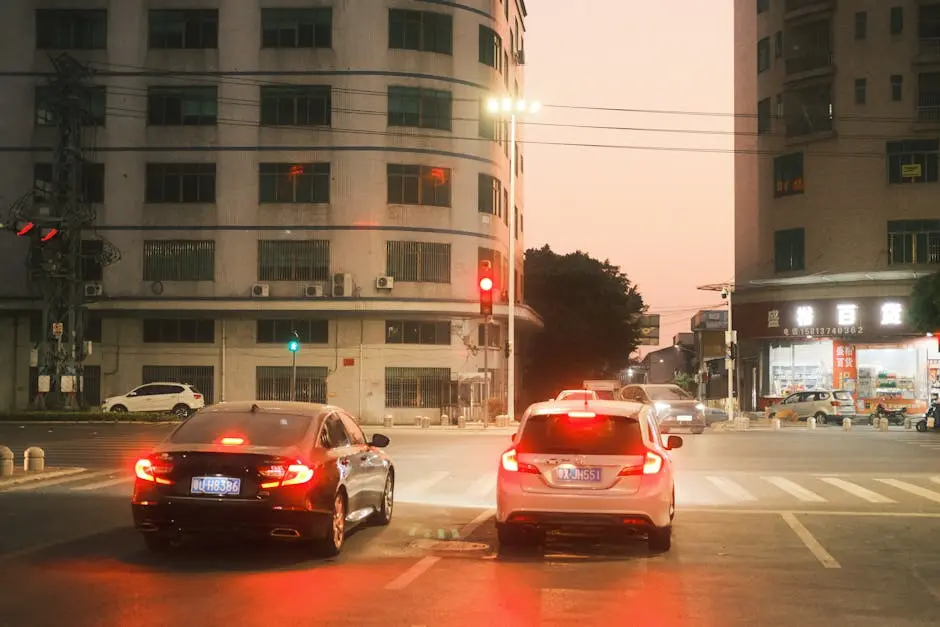
Toronto is a bustling city with a growing population and increasing traffic congestion. Navigating urban traffic management is crucial for ensuring safety and efficiency on the roads. In this blog, we will explore twelve common challenges faced in Toronto’s traffic management and provide practical solutions to overcome these hurdles. Whether you are a resident, a commuter, or a city planner, understanding these issues is essential for creating a smoother, more efficient urban environment.
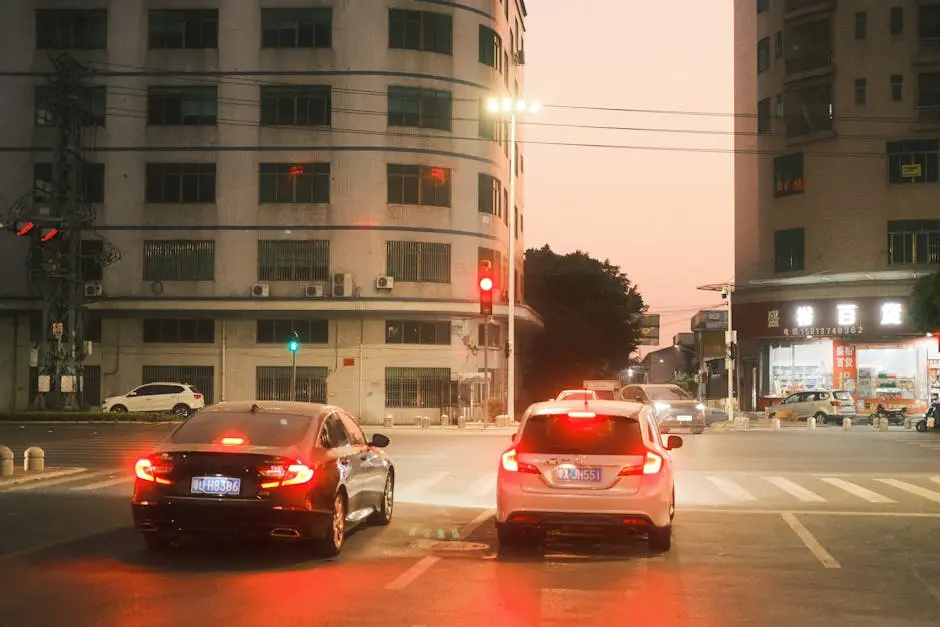
1. Inadequate Public Transportation Options
Many residents depend on public transport, and a lack of reliable options leads to increased car usage. Enhancing the public transit system will help ease congestion. When commuters find it easy and dependable to navigate the city via bus or subway, they are less likely to rely on personal vehicles.
From improving frequency to increasing routes, there are various ways we can make public transport the preferred choice. A robust public transit network not only alleviates traffic gridlock but also contributes to a sustainable urban ecosystem.
2. Traffic Congestion at Peak Hours
Rush hour traffic can be overwhelming. Implementing staggered work hours and optimizing traffic signal timings can alleviate these bottlenecks. By adjusting when people start their day, we can spread out the flow of traffic over a wider time frame.
Additionally, using smart traffic lights that respond to real-time vehicle counts can help speed up traffic throughput. This kind of technology adapts to current conditions, making it more effective than a static schedule.
3. Poor Road Maintenance
Potholes and road damage can slow down traffic and pose safety risks. Regular maintenance schedules and prompt repairs are essential to keep roads safe. Inadequate road conditions not only frustrate drivers but also lead to accidents, further compounding congestion.
Investment in better road quality materials can pay long-term dividends. Moreover, using technology for road inspections could help identify areas needing attention sooner rather than later.
4. Unmanaged Pedestrian Crossings
Pedestrians often contribute to traffic delays. Improved signage, pedestrian-only zones, and dedicated crossing signals can ensure safety and improve flow. Clear demarcation and signage are vital for reducing confusion among both drivers and walkers.
Creating more pedestrian-friendly spaces not only helps in managing traffic but also enhances the overall urban experience. When pedestrians feel safe, they are more likely to walk or bike instead of driving.
5. Bicycle and Vehicle Conflicts
Increasing bicycle traffic can lead to conflicts with vehicles. Creating more bike lanes and awareness campaigns can promote safer coexistence. Clearly marked lanes show drivers where cyclists are, reducing the potential for accidents.
Promoting bike-sharing programs can also help in reducing the number of cars on the road, thus easing congestion. When more people opt to cycle, we create a more environmentally friendly urban space.
6. Parking Shortages
Limited parking options lead to illegal parking and congestion. Introducing smart parking systems can maximize available spaces and improve traffic flow. By utilizing technology, we can give drivers real-time information on where to find parking, reducing the need to circle endlessly.
Additionally, implementing policies that encourage carpooling can lessen the number of vehicles that are on the road searching for parking, further easing stress on urban traffic.
7. Lack of Traffic Data Analysis
Without comprehensive traffic data, it’s hard to implement effective solutions. Investing in technology to gather and analyze traffic patterns can inform better management strategies. For instance, real-time analytics could provide insights into peak traffic hours and patterns.
Using this data, city planners can make informed decisions, whether it’s about where to add new bike lanes or how long to keep traffic lights green. Ultimately, a data-driven approach can significantly improve urban traffic management.
8. Inadequate Infrastructure for Emergencies
In emergencies, traffic can come to a standstill. Designing specific routes for emergency vehicles can help ensure a faster response time during critical situations. Having clear signage and dedicated lanes for emergency services is vital.
Community awareness about these emergency routes can educate citizens on how to act during an emergency, thus allowing for a smoother passage for first responders.
9. Complex Intersections
Some intersections are notoriously complicated, causing confusion and delayed travel times. Redesigning these areas can simplify navigation and enhance safety. Through better layout and clear signage, drivers can make quicker decisions.
Implementing roundabouts in place of stoplights can also reduce delays and increase safety by minimizing the potential for head-on collisions. Seeing how smoother traffic flow positively affects commuting can encourage further upgrades in infrastructure.
10. Insufficient Traffic Regulation Enforcement
Inconsistent enforcement of traffic regulations can lead to chaos on the roads. Increasing enforcement staff and using technology can enhance compliance and safety. Surveillance cameras and drones can monitor traffic patterns and ensure adherence to the rules.
When drivers know they are being watched, they are more likely to follow regulations, making the roads safer for everyone. A proactive approach tends to yield better results than reactive measures.
11. Neglecting Alternative Transportation Methods
Not promoting carpooling or ridesharing can worsen congestion. Encouraging these alternatives reduces the number of vehicles on the roads. Establishing incentives for carpooling can make it a more attractive option for daily commuters.
Additionally, promoting flexible work hours can encourage people to travel during off-peak times, thus spreading the traffic load throughout the day.
12. Resistance to Change in Traffic Policies
Community resistance to new traffic policies can stall progress. Engaging with residents through workshops and discussions can foster support for necessary changes. When people feel involved in the decision-making process, they are more likely to embrace new initiatives.
Moreover, transparent communication about the benefits of these changes can go a long way in diminishing resistance. Through shared stories and experiences, cities can create a more unified approach toward solving traffic issues.
