


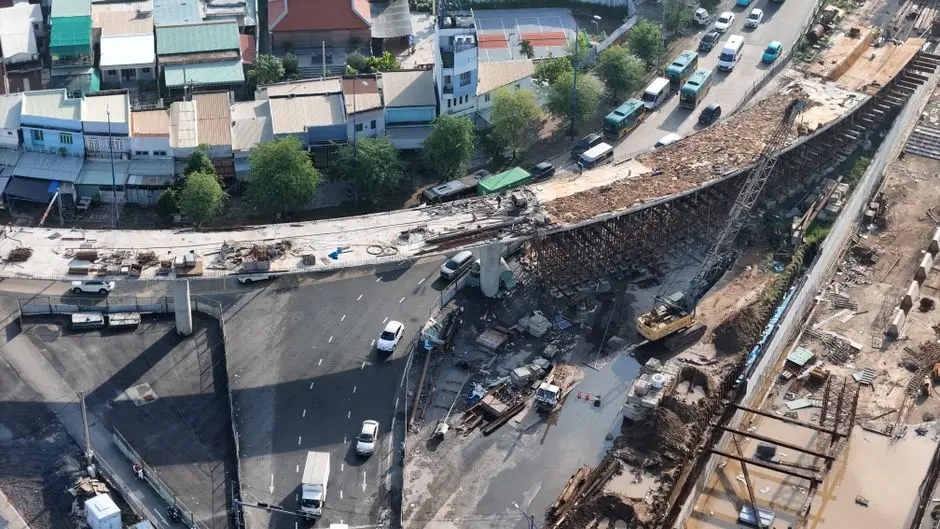
In today’s fast-paced world, efficient transportation networks are vital to urban life. Highway engineering plays a crucial role in shaping the infrastructure that facilitates our daily commutes and connects communities. This blog will explore how highway engineering contributes to building smarter roads in Toronto, ultimately improving the experience for drivers, cyclists, and pedestrians alike.
Understanding Highway Engineering: The Basics
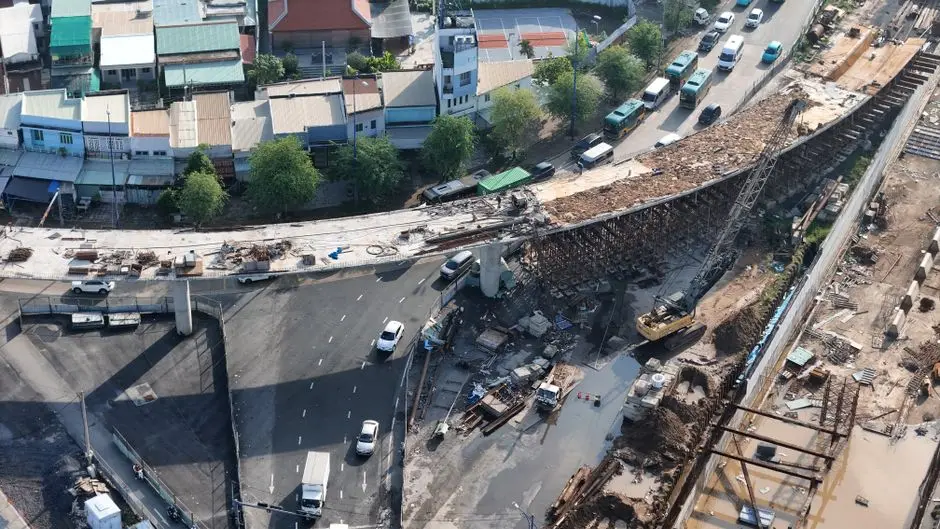
Highway engineering encompasses the design, construction, maintenance, and operation of road systems. It’s essential to ensure safety, reliability, and efficiency in our transportation networks. Let’s dive into the fundamental principles of highway engineering.
At the core of highway engineering lies the importance of understanding traffic flow and the factors that influence it. Engineers study traffic patterns, vehicle types, and travel demand to create designs that accommodate various conditions. For example, a well-designed highway will not only consider the number of lanes but also how they relate to surrounding urban environments, ensuring a smooth experience for all road users.
Safety remains a top priority in highway engineering. Engineers work tirelessly to implement features like guardrails, clear signage, and appropriate lighting. By analyzing accident reports and traffic data, they can pinpoint and address high-risk areas, creating safer road environments. After all, the ultimate goal is to prevent accidents and save lives, making safety a key component in every highway’s design.
Innovative Technologies in Highway Engineering
From smart traffic signals to automated toll systems, technology is revolutionizing highway engineering. In this section, we will discuss how Toronto is integrating these technologies to enhance road safety and efficiency.
One of the most exciting developments in highway engineering is the use of intelligent transportation systems (ITS). These systems use sensors and data analytics to monitor traffic conditions in real time. For instance, when traffic congestion is detected, smart signals can adjust their timing to alleviate delays. This adaptability not only improves traffic flow but also reduces vehicle emissions, contributing to a cleaner environment.
Another innovative technology making waves in highway engineering is the implementation of connected vehicles. Imagine vehicles communicating with each other and the infrastructure around them. This communication can provide real-time updates on the best routes, warn drivers of potential hazards, and even assist in parking. Such advancements promise to significantly enhance the driving experience while minimizing traffic disruptions.
Moreover, with the rise of autonomous vehicles, highway engineers are now tasked with rethinking road designs. Dedicated lanes for self-driving cars, clearer road markings, and enhanced signaling systems are just a few ways engineers are preparing for a future where technology and transportation coalesce. The focus is shifting towards creating environments where these vehicles can operate safely and efficiently.
Sustainability in Road Construction
Building smarter roads also means being environmentally conscious. We’ll explore sustainable practices in highway engineering, such as the use of recycled materials and green design principles, aiming to reduce the ecological footprint of road construction.
In Toronto, highway engineers are increasingly adopting sustainable materials like recycled asphalt and concrete. These materials not only reduce waste but also decrease the demand for new raw materials. By reusing what’s already available, we contribute to a circular economy that lessens our environmental impact. Such initiatives highlight the potential for highway engineering to align with broader sustainability goals.
Additionally, the integration of green design principles is critical in modern road construction. This involves designing roadways that incorporate space for natural habitats and waterways, preventing runoff and promoting biodiversity. For example, bioswales—landscape elements designed to manage water runoff—are being implemented alongside highways, effectively filtering pollutants and allowing for better water management.
Furthermore, energy-efficient lighting and solar panels are becoming common fixtures in highway projects. These technologies reduce energy consumption and lower operational costs over time. As we push the boundaries of what’s possible in highway engineering, it’s clear that sustainability is not just a trend but a critical focus for the future of our roads.
The Role of Public Input and Community Engagement
Engaging with the community is vital in highway engineering projects. Here, we will discuss the importance of public feedback in designing safer and more efficient roads that meet the needs of Toronto’s diverse population.
Public engagement provides invaluable insights that professionals may overlook. Community members often have firsthand experience with local traffic patterns, safety concerns, and access issues. Thus, hosting workshops, community meetings, and social media campaigns allows highway engineers to gather diverse viewpoints. This inclusive approach ensures that highway designs reflect the needs and desires of those who use them.
Moreover, transparency in decision-making builds trust between engineering teams and the community. When residents feel heard and involved, they are more likely to support projects. Highways should not only serve as transportation corridors but also foster a sense of community. By utilizing public input effectively, engineers can create road systems that genuinely enhance the urban landscape.
The Impact of Smart Roads on Urban Mobility
Smart roads can significantly transform urban mobility. Let’s investigate how improved highway engineering can lead to reduced congestion, enhanced public transport systems, and better overall traffic flow in Toronto.
With the integration of advanced technologies, highways are evolving into intelligent systems that respond dynamically to the needs of users. For example, variable message signs can inform drivers of current traffic conditions, accidents, or upcoming construction. This real-time information empowers drivers to make informed choices, reducing frustration and improving overall journey times.
Additionally, these smart systems facilitate greater coordination between various modes of transportation. Buses, bicycles, and cars can work together seamlessly, reducing conflicts and making roads safer for everyone. For instance, dedicated bus lanes with real-time prioritization can expedite public transport, encouraging more residents to opt for this eco-friendly option.
Ultimately, smart roads are not just about technology; they reflect a holistic understanding of urban mobility. By prioritizing safety, efficiency, and accessibility, highway engineers are setting the stage for a vibrant, interconnected Toronto. In this light, smart transportation systems promise to uplift the city, supporting a sustainable and dynamic future.
The Future of Smarter Roads
As Toronto continues to grow and evolve, smart highway engineering practices will be essential in addressing the challenges of urban mobility. By embracing innovative designs and technology, we can create a transportation network that is not only efficient but also safe and accessible for everyone. The future of Toronto’s roads is bright, and highway engineers are at the forefront of this transformation.
