

Introduction to advanced transportation technology
Advanced transportation technology refers to the use of innovative systems and tools to manage traffic and transportation in urban areas more efficiently. It includes the use of real-time traffic monitoring, smart signaling, automated vehicle guidance, and intelligent transportation systems. These technologies aim to reduce congestion, improve safety, and enhance the overall transportation experience for residents and commuters in Toronto. The implementation of advanced transportation technology is crucial for addressing the challenges posed by growing urbanization and increasing traffic demands in the city.
Importance of traffic management in Toronto
Traffic management in Toronto plays a crucial role in ensuring smoother and more efficient transportation. It helps to reduce congestion, minimize travel time, and enhance overall road safety. By implementing advanced transportation technology, Toronto can improve traffic flow, reduce emissions, and better accommodate the growing population. This includes utilizing intelligent traffic signals, real-time traffic monitoring, and advanced data analytics to make informed decisions for optimizing traffic patterns. Effective traffic management not only benefits commuters but also contributes to the city’s economic development and environmental sustainability.
Current traffic challenges in Toronto
Traffic congestion is a major issue in Toronto, leading to longer commute times and increased air pollution. Some of the main factors contributing to this include high population density, insufficient parking, and aging road infrastructure. Furthermore, the lack of effective public transportation options adds to the problem.
Overview of advanced transportation technology
Advanced transportation technology has the potential to revolutionize how traffic is managed in cities like Toronto. With the use of smart sensors, real-time data analysis, and intelligent traffic management systems, cities can improve traffic flow, reduce congestion, and enhance overall transportation efficiency. This technology offers numerous benefits, including:
- Real-time Traffic Monitoring: Advanced transportation technology allows for the real-time monitoring of traffic conditions, helping authorities to identify congestion hotspots and respond quickly to alleviate traffic build-ups.
- Optimized Traffic Signal Control: Smart traffic signals can adjust their timing based on traffic conditions, leading to smoother traffic flow and reduced waiting times for drivers.
- Data-driven Decision Making: By analyzing large volumes of traffic data, transportation authorities can make informed decisions to improve traffic management strategies and infrastructure planning.
- Enhanced Safety: Advanced technology can contribute to improved road safety through features like automated collision avoidance systems and real-time hazard detection.
These advancements in transportation technology have the potential to make a significant impact on Toronto’s traffic management, paving the way for a more efficient and sustainable urban transportation system.
Benefits of advanced transportation technology for traffic management
Advanced transportation technology brings several benefits to traffic management in Toronto. Here are a few key advantages:
-
Reduced Congestion:
- Smart traffic management systems can help analyze and respond to traffic patterns in real-time, leading to reduced congestion on the roads.
-
Improved Safety:
- Advanced technology such as intelligent traffic lights and smart sensors can enhance safety by reducing the risk of accidents and enhancing emergency response times.
-
Environmental Impact:
- Utilizing advanced transportation technology can help reduce emissions and overall environmental impact by optimizing traffic flow and reducing idling time.
-
Efficient Resource Allocation:
- Advanced transportation technology allows for more efficient use of resources, such as optimizing public transportation routes and scheduling, reducing fuel consumption, and minimizing maintenance costs.
These benefits demonstrate how advanced transportation technology can positively impact traffic management in Toronto, leading to improved overall efficiency, safety, and environmental sustainability.
Enhanced safety measures
Enhanced safety measures in advanced transportation technology can significantly reduce the risk of accidents on Toronto roads. These measures include collision avoidance systems, advanced driver assistance systems, and intelligent traffic management solutions. These technologies work together to improve overall road safety by alerting drivers to potential hazards, assisting with vehicle control, and optimizing traffic flow. With the implementation of these safety measures, Toronto can expect to see a decrease in traffic-related accidents and improved overall road safety for its residents and commuters.
Efficiency and reduced travel time
New smart transportation technologies like traffic signal synchronization, adaptive traffic signals, dynamic lane management, and real-time traffic monitoring work together to optimize traffic flow, reducing congestion and travel time. These technologies can adjust traffic signal timings based on real-time traffic conditions, improve signal coordination, and manage lane usage to help keep traffic moving efficiently. By implementing these advanced technologies, Toronto can expect improved travel times and reduced congestion on its roadways.
Environmental impact and sustainability
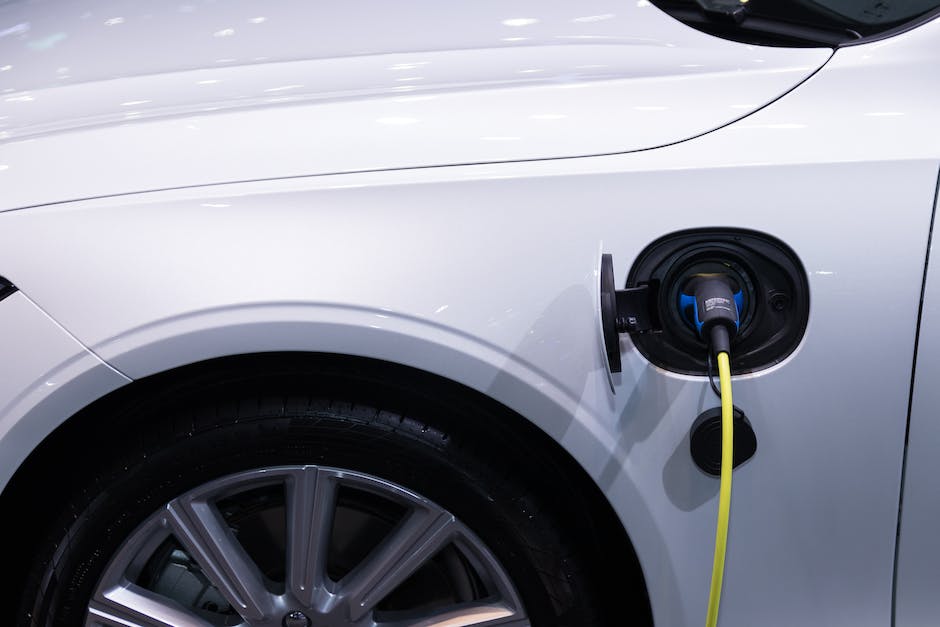
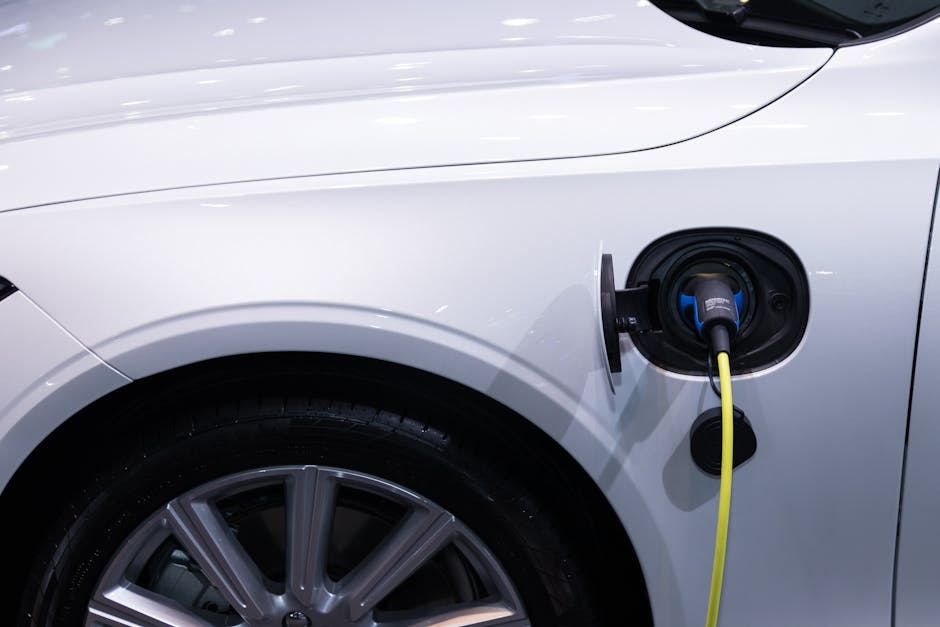
Advanced transportation technology in Toronto aims to minimize the environmental impact of traffic and enhance sustainability. Through the use of electric vehicles, smart traffic management systems, and sustainable infrastructure, the city can reduce carbon emissions and energy consumption. This not only helps in creating a cleaner and healthier environment but also contributes to the long-term sustainability of the transportation system. Additionally, integrating advanced transportation technology can lead to improved air quality, reduced noise pollution, and a more energy-efficient transportation network.
Cost-effectiveness and economic impact
When it comes to advanced transportation technology, it’s important to consider its cost-effectiveness and economic impact. According to a study by the Toronto Transportation Infrastructure Monitor, implementing advanced transportation technology could potentially save the city up to millions of dollars annually through reduced traffic congestion and improved fuel efficiency. Additionally, the economic impact of such technology could create new job opportunities and stimulate economic growth within the city. These factors make a strong case for the investment in advanced transportation technology as a means to enhance Toronto’s traffic management system.
Future possibilities and implications for Toronto’s traffic management
When it comes to Toronto’s traffic management, advanced transportation technology brings a world of possibilities. With the implementation of innovative solutions, such as smart traffic lights and autonomous vehicles, we can expect smoother traffic flow, reduced congestion, and improved safety on the roads. These advancements have the potential to transform the way we navigate the city, making commuting more efficient and eco-friendly. Embracing advanced transportation technology could significantly enhance the overall transportation experience in Toronto, benefitting both residents and the environment.
