


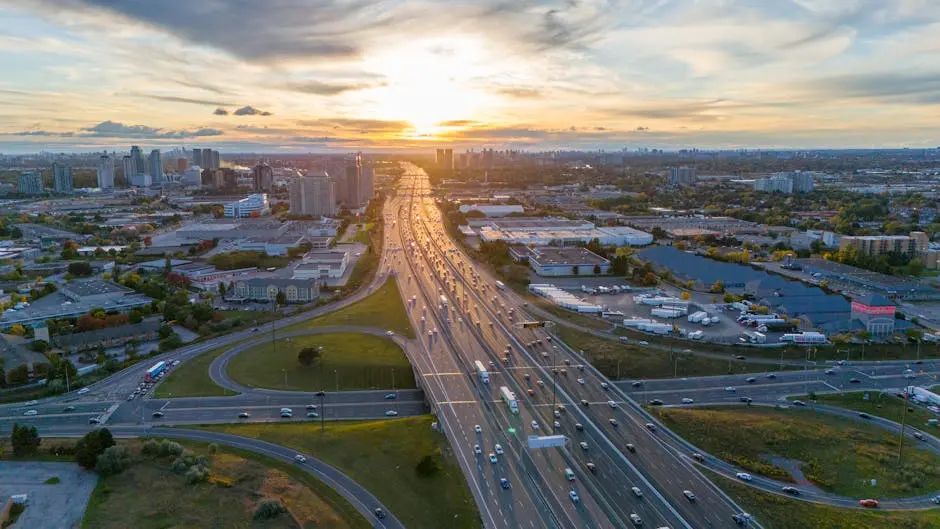
Understanding how roadway design influences traffic flow in Toronto can help us create a more efficient transportation system. This blog will break down key factors that contribute to effective roadway design and its impact on traffic management.
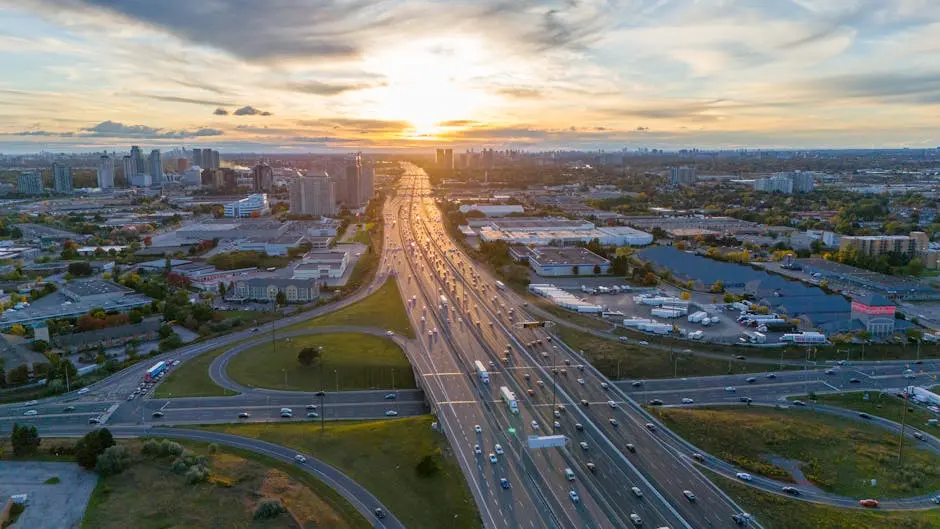
Understanding Roadway Design
Roadway design encompasses various elements including lane width, road curvature, and intersection configurations that directly affect traffic flow efficiency.
To grasp the full impact of roadway design, it’s crucial to understand how these factors interact. For instance, wider lanes can allow vehicles to travel more comfortably, decreasing the likelihood of traffic bottlenecks. Conversely, narrow lanes may lead to hesitant driving behaviors, stalling traffic.
Moreover, how roads curve plays a pivotal role in maintaining speed. Gentle curves can encourage drivers to keep a steady pace, while sharp turns often require braking, which disrupts overall flow. Creating a balance in roadway geometry is essential for smooth traffic management.
Intersections are another critical area of roadway design. Well-placed traffic lights, roundabouts, and stop signs can facilitate better traffic distribution. This leads to fewer stops and starts, ultimately enhancing the overall flow of vehicles through the city.
Importance of Lane Management
Proper lane management, such as dedicated bike lanes and carpool lanes, can reduce congestion and enhance the overall flow of traffic.
Dedicated lanes for bikes not only promote sustainable transport but also separate slower-moving traffic from faster-moving vehicles. This separation significantly lowers the risk of accidents and keeps the traffic moving smoothly.
Carpool lanes are another effective strategy. By encouraging multiple passengers to share a ride, they help to decrease the number of vehicles on the road, leading to improved travel times and less strain on existing infrastructure.
Furthermore, adjusting lane widths can help accommodate various vehicle types. Ensuring there’s enough space for larger vehicles reduces the chances of conflicts between cars and trucks, ultimately smoothing the flow of traffic.
Impact of Traffic Signals and Signs
The placement and timing of traffic signals and signage significantly influence driver behavior and traffic patterns, affecting flow on busy corridors.
For example, synchronized traffic signals can prevent the start-and-stop nature of driving, leading to a more fluid experience for motorists. When drivers know they can make it through several intersections without stopping, it encourages faster travel.
Additionally, clear signage helps to inform drivers about upcoming stops, lane changes, or speed limits, reducing uncertainty and erratic driving. This clarity is particularly important in a bustling city like Toronto, where distractions are everywhere.
When we consider pedestrian signals, it becomes even clearer that signaling impacts everyone on the road. Well-timed pedestrian signals can ensure safe crossings without unduly delaying vehicles, keeping traffic flowing efficiently.
Role of Roadway Materials and Design Features
Using the right materials for pavement and incorporating features like roundabouts can enhance durability and facilitate smoother transitions, thereby improving traffic conditions.
High-quality materials not only extend the life of the road but also improve the driving experience. Smooth surfaces reduce wear and tear on vehicles, making journeys more enjoyable and efficient.
Roundabouts, for instance, are gaining popularity as they allow continuous movement of traffic and significantly lower the risk of severe accidents compared to traditional intersections. They also reduce the need for traffic signals, which streamlines flow.
Incorporating design features like pedestrian walkways and bike paths into roadway design also supports safer interaction between different types of road users. This holistic approach to design ultimately leads to a more harmonious traffic environment.
Challenges and Solutions
Identifying and addressing common challenges such as road construction, weather conditions, and urban density is crucial for maintaining optimal traffic flow.
Road construction can lead to significant delays, but using advanced planning and clear communication can help mitigate these disruptions. Implementing detours and providing real-time updates ensures drivers can navigate around obstacles smoothly.
Weather conditions also pose unique challenges. Ensuring that roadways are designed to handle rain and snow, with adequate drainage systems and proper materials, can prevent hazardous situations and promote better traffic flow regardless of the season.
Urban density is perhaps one of the biggest challenges we face. Developing multi-modal transport options and investing in public transit can alleviate the strain on roadways. By encouraging people to use public transport, we decrease the volume of cars on the road, enhancing overall flow.
Summary of Roadway Design Impact
By prioritizing effective roadway design principles, we can significantly improve traffic flow and safety in Toronto. Each element plays a vital role in ensuring smoother transportation for all road users.
