


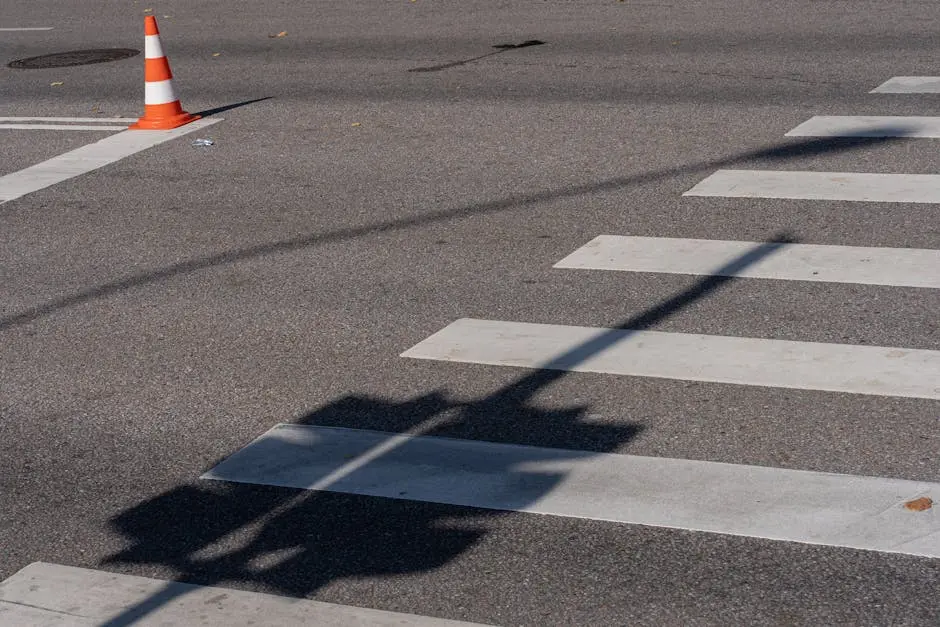
Roadway design plays a crucial role in ensuring traffic safety. From the layout of roads to the placement of signage, every element can influence driver behavior and accident rates. In this FAQ, we’ll explore key aspects of roadway design and how they contribute to safer driving environments.
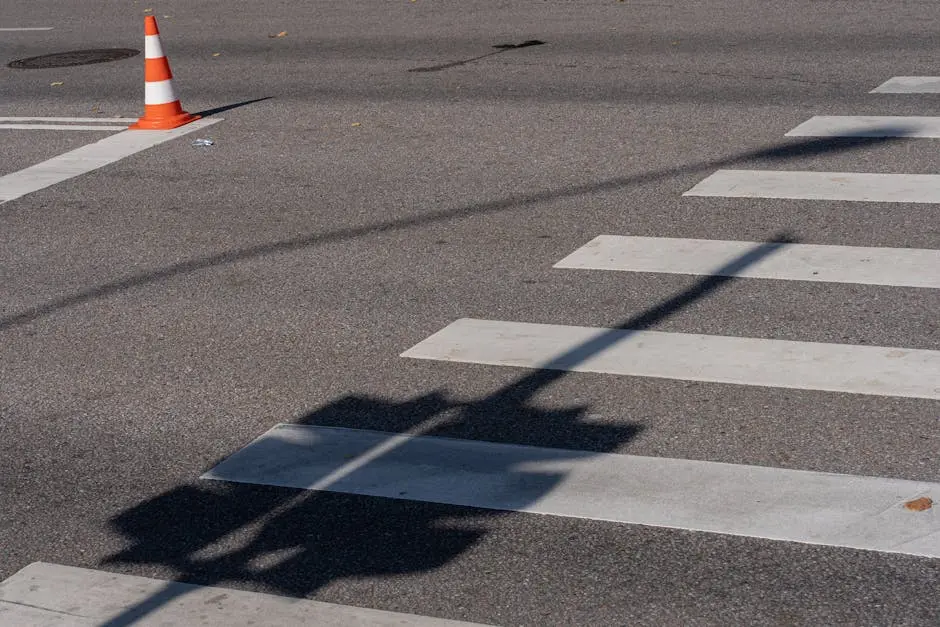
Understanding Roadway Geometry
Roadway geometry refers to the physical layout and design of roads. Curves, straightaways, and the width of lanes all play a part in how safely drivers can navigate the road.
For example, roads with gentle curves are generally safer than those with sharp bends. A smooth transition allows drivers to maintain control, reducing the likelihood of losing traction and skidding, especially during inclement weather.
Moreover, lane width matters too. Wider lanes not only provide more room for drivers but also reduce the feeling of confinement, which can lower anxiety levels and lead to safer driving practices.
However, it’s not just about width and curves; the overall design must accommodate varying speeds and traffic volumes. A well-engineered roadway considers the flow of traffic, balancing safety with efficiency.
Ultimately, thoughtful roadway geometry sets the foundation for a safer driving experience. When roads are designed with these elements in mind, they actively contribute to reduced accident rates.
The Role of Signage and Signals
Proper signage and signals are critical in guiding driver behavior. Clear visibility and strategic placement can prevent confusion and reduce risks.
Imagine driving on a highway without any signs; it would be chaotic and dangerous. Essential signs, such as speed limits and warning signals, keep drivers informed of what to expect ahead, thereby enhancing safety.
Moreover, signals at intersections regulate traffic flow, enabling safe crossing for all users. The right timing and visibility of traffic lights can minimize accidents caused by misjudgment as drivers navigate through busy junctions.
Additionally, incorporating dynamic message signs can address real-time road conditions, alerting drivers to hazards or changes in traffic patterns. This responsiveness is key to accident prevention.
Ultimately, effective signage and signals work together to create a well-coordinated system that informs and directs drivers, resulting in a safer roadway for everyone.
Impact of Lighting on Safety
Good roadway lighting enhances visibility during nighttime driving, significantly lowering the chances of accidents caused by obscured hazards.
In poorly lit areas, drivers may fail to see pedestrians, cyclists, or road defects until it’s too late. Proper lighting illuminates these potential dangers, ensuring drivers have ample time to react.
Moreover, brightly lit streets foster a sense of security for not just drivers but also pedestrians and cyclists. When people feel safe, they are more likely to use the roadway, further promoting safer interactions among all road users.
Effective lighting design should also focus on contrast; areas like crosswalks need to stand out clearly against the backdrop of the road. This visibility is crucial for protecting vulnerable road users.
In conclusion, roadway lighting is a fundamental aspect of design that can dramatically improve safety, both day and night. With adequate lighting, we can significantly reduce nighttime accidents and enhance overall public confidence in roadway safety.
Pedestrian and Bicycle Considerations
Incorporating design elements that prioritize pedestrians and cyclists, such as crosswalks and bike lanes, promotes safety for all road users.
For instance, well-marked crosswalks with adequate signage not only alert drivers but also provide a safe haven for pedestrians. When designed properly, these crossings can help mitigate the risks associated with jaywalking.
Similarly, dedicated bike lanes create a safe space for cyclists, separating them from motor vehicle traffic. This separation not only reduces the likelihood of collisions but also encourages more people to cycle, contributing to healthier communities.
Moreover, adding features like curb extensions can improve visibility at intersections, making it easier for pedestrians to be seen by drivers. Enhanced visibility is particularly vital in urban areas where higher foot traffic is expected.
Ultimately, prioritizing the safety of cyclists and pedestrians in roadway design isn’t just about compliance; it’s about fostering an inclusive environment where everyone can travel safely, nurturing a sense of community.
Final Thoughts on Roadway Design and Safety
Understanding the impact of roadway design on traffic safety is essential for creating safer communities. By considering factors such as road geometry, signage, and pedestrian access, we can foster safer driving habits and reduce accidents.
