

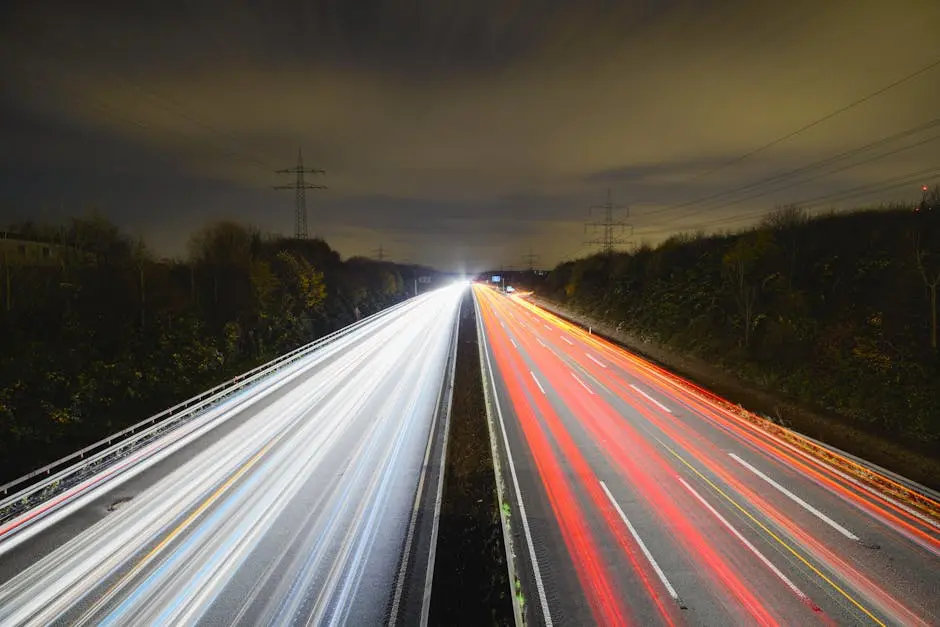
Toronto is a bustling metropolis, and keeping its roads safe is a top priority. Intelligent transportation systems (ITS) leverage technology to improve traffic safety, manage congestion, and enhance overall efficiency on the roads. In this blog, we will explore how these innovative solutions are making Toronto’s roads safer for everyone.
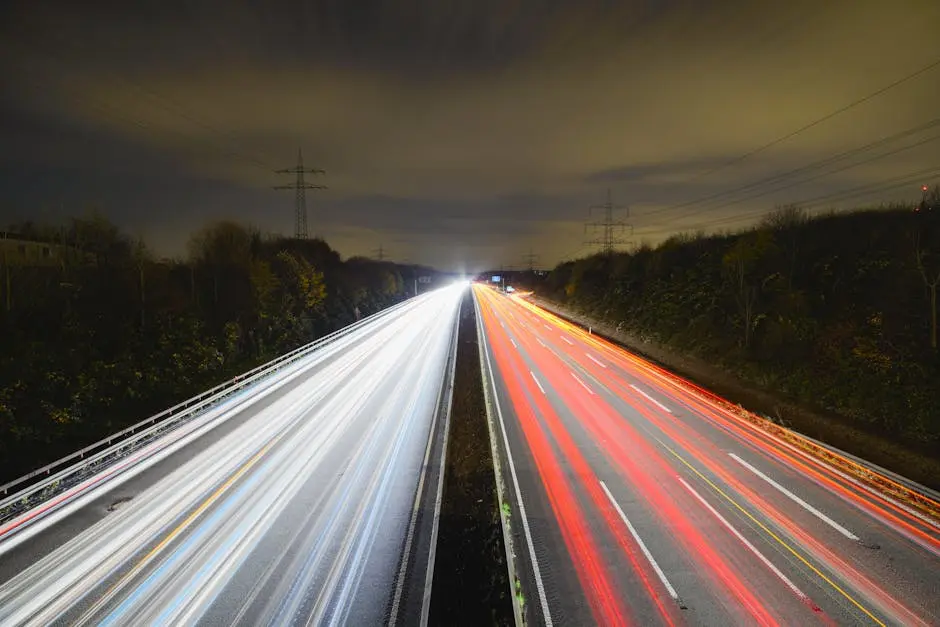
Understanding Intelligent Transportation
Intelligent transportation refers to advanced systems that utilize technology to improve transportation safety, mobility, and efficiency. It involves the use of data, communication systems, and smart devices to optimize traffic flow and enhance driver awareness.
In essence, intelligent transportation is much more than just traffic lights or road signs. It encompasses a broad range of technologies that connect vehicles, infrastructure, and people, thus fostering a safer driving environment.
With the integration of interconnected systems, drivers receive real-time updates about road conditions, potential hazards, and optimal routes. This information empowers drivers to make informed decisions, significantly improving safety on the roads.
Traffic Management Solutions
One of the primary applications of intelligent transportation is in traffic management. Various technologies, such as adaptive traffic signals and real-time traffic monitoring, help manage traffic flow effectively, reducing congestion and minimizing accidents.
For example, adaptive traffic signals adjust the timing of red and green lights based on current traffic conditions. This means that when traffic is heavy, signals can change more frequently to assist in alleviating bottlenecks, ensuring a smoother ride for everyone.
Moreover, integrated traffic management systems use real-time data to analyze traffic patterns and predict peak congestion times. By reducing delays, the likelihood of accidents caused by frustrated drivers or sudden stops also decreases.
Ultimately, these innovations lead to a calmer traffic environment, which not only benefits drivers but also pedestrians who share the roads. Carefully managed traffic reduces the instances of accidents, encouraging a safer urban landscape.
Safety Enhancements Through Technology
Technologies like automated vehicle detection, smart warning systems, and connected vehicle technologies provide critical information to drivers. These safety enhancements help prevent collisions and ensure safer driving environments.
Consider automated vehicle detection systems that can identify the presence of vehicles or pedestrians in real time. When combined with warning systems, these technologies alert drivers about potential hazards, allowing them to react swiftly and avoid accidents.
In addition, connected vehicle technologies enable communication between cars and infrastructure, creating a synchronized traffic ecosystem. This allows vehicles to share information about road conditions, accidents ahead, or changes in traffic signals, making driving safer and more informed.
By integrating these safety enhancements into the everyday driving experience, Toronto is paving the way for fewer accidents and smarter road use. Drivers are equipped not just with alerts, but with the knowledge of their surroundings, significantly improving road safety.
Public Transportation Improvements
Intelligent transportation also aids public transit systems by providing real-time arrival information and improving service efficiency. These improvements encourage the use of public transportation, ultimately reducing the number of vehicles on the road and enhancing safety.
Imagine waiting at a bus stop and getting live updates on your phone about when your bus will arrive. Not only does this convenience attract more commuters, but it also reduces congestion by keeping fewer personal vehicles on the road.
Furthermore, with intelligent transportation solutions, public transit systems can gather valuable data about peak usage times and routes. This information helps transit authorities optimize schedules and routes, making public transport a more reliable option.
As public transportation becomes a preferred choice, Toronto can alleviate traffic congestion, which in turn leads to safer streets and fewer accidents. The overall infrastructure benefits from a more efficient, less crowded environment.
Future of Intelligent Transportation in Toronto
As technology continues to advance, the future of intelligent transportation looks promising for Toronto. New innovations such as automated vehicles and enhanced data analytics will further contribute to safer, more efficient roads.
The emergence of automated vehicles, in particular, holds great potential for minimizing human error, which is a leading cause of road accidents. These vehicles are designed to communicate with each other and with the infrastructure around them, allowing for smoother and safer driving experiences.
Moreover, data analytics will enable transportation authorities to make informed decisions about infrastructure improvements and traffic patterns. By studying data from various sources, including traffic cameras and sensors, planners can identify areas that need intervention, leading to targeted safety measures.
In summary, the integration of advanced technologies will undoubtedly elevate the safety standards of Toronto’s roads. With such innovations at the forefront, the city is on a journey toward a smarter, safer transportation future.
In Summary
By implementing intelligent transportation solutions, Toronto is not only enhancing road safety but also transforming the urban driving experience. As technology continues to evolve, we can expect even greater improvements in road safety and efficiency in the city’s transportation network.
