

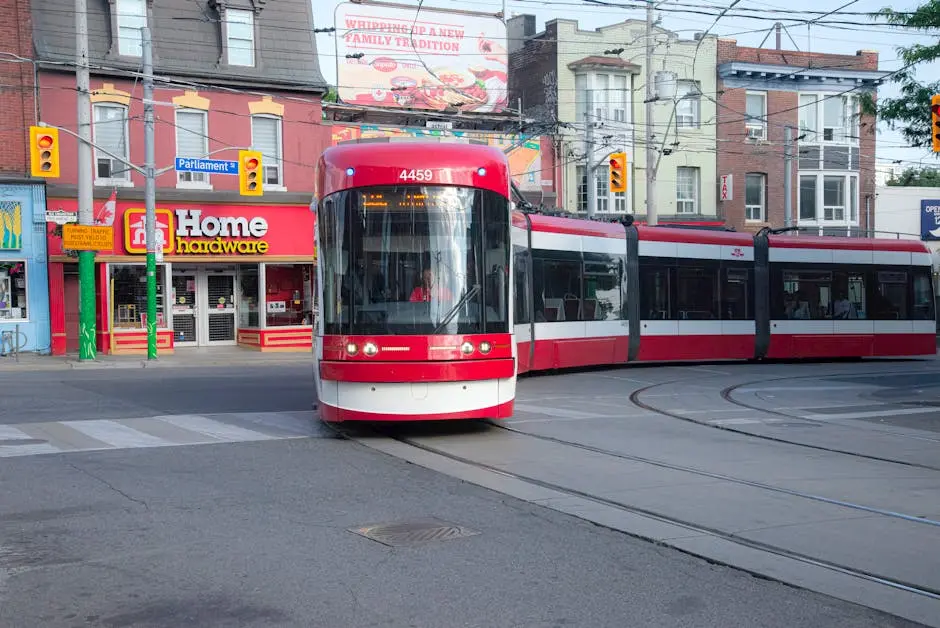
In a city as vibrant and diverse as Toronto, effective public transport planning is essential for enhancing mobility and reducing congestion. As we face the challenges of urban growth and sustainability, innovative strategies are more crucial than ever. In this blog, we will explore a range of creative approaches that can transform the public transport landscape in Toronto, making it more efficient and user-friendly.
The Importance of Public Transport Planning in Urban Development
Understanding the vital role public transport plays in urban environments is key to effective planning. Public transport is not just about buses and subways; it’s about creating a connected city where people can easily access work, school, and leisure activities. This interconnectedness promotes social inclusion and economic opportunities for everyone.
Moreover, well-planned public transport systems lead to a reduction in traffic congestion. By providing efficient alternatives to car travel, we can significantly decrease the number of vehicles on the road. Imagine a day when you can actually find parking downtown, or when commutes are reduced from hours to mere minutes. This is the promise of effective public transport planning.
Additionally, public transport promotes environmental sustainability. Fewer cars on the road mean reduced greenhouse gas emissions, which is crucial for combating climate change. Cities like Toronto have a responsibility to lead the way in sustainable practices, and a robust public transport network is at the heart of this initiative.
Leveraging Technology for Enhanced Public Transport Systems
With rapid advancements in technology, we have the opportunity to integrate smart solutions into public transport. In Toronto, innovations such as real-time tracking can revolutionize the commuter experience. Imagine being able to check an app to see exactly when the next bus will arrive. This capability not only enhances convenience but also encourages more people to choose public transport over personal vehicles.
Mobile ticketing is another game-changer. Not only does it simplify the ticket purchasing process, but it also minimizes the need for physical cash transactions, making it more accessible for various demographics. By embracing mobile technology, Toronto can cater to tech-savvy commuters and build a more user-friendly public transport system.
Data analytics can also play a pivotal role in improving efficiency. By analyzing passenger flow and habits, cities can make informed decisions on service routes and schedules. This level of insight allows for a fluid public transport experience tailored to commuters’ needs. The more we leverage technology, the better equipped we are to optimize our public transport systems.
Community Engagement: The Backbone of Successful Planning
Engaging with the community is crucial to understanding their needs and preferences. The most successful public transport systems are those that listen to their riders. Through various engagement strategies like surveys and public forums, transport planners can gather valuable insights that reflect the community’s aspirations.
Moreover, effective public consultations not only foster transparency but also encourage civic participation. When community members feel heard, they become more invested in the transport system, leading to a richer dialogue between planners and residents. This collaboration is key in co-creating solutions that serve everyone effectively.
Ultimately, a transport system shaped by its users is more likely to be well-received and sustainable. By prioritizing community engagement, Toronto can build a public transport system that truly resonates with its diverse population, ensuring comfort and accessibility for all.
Sustainable Practices in Public Transport Planning
Sustainability should be at the forefront of public transport planning. Integrating electric vehicles into the fleet can help reduce the carbon footprint of urban transit. Imagine hopping on a quiet, pollution-free bus as it glides through the streets. This shift not only benefits the environment but also enhances the commuting experience.
In addition to modernizing vehicle options, promoting active transportation is vital. By creating safer and more appealing spaces for biking and walking, cities can encourage commuters to explore these options. A well-planned bike lane network could complement existing public transport routes, making the city more navigable and enjoyable.
Furthermore, eco-friendly infrastructure such as green roofs on transit stations or solar panels in public transport facilities can contribute to a more sustainable urban landscape. These initiatives, though sometimes viewed as supplementary, play a crucial role in cultivating an environmentally conscious urban culture.
Case Studies: Cities Leading the Way in Public Transport Innovation
Examining successful examples from other cities can provide valuable insights into public transport innovation. Look at cities like Amsterdam, where cycling is integrated seamlessly into the public transport system. Their approach showcases how active modes of transit can coexist with traditional services, creating a holistic transport network.
Additionally, cities like Singapore have implemented remarkable technology in their public transport systems. With cardless payment options and an extensive network that communicates real-time updates, they have transformed the way people commute. Learning from these innovations could propel Toronto’s public transport planning into the 21st century.
Moreover, case studies provide a roadmap for adaptation in Toronto. By analyzing the successes and challenges faced by other municipalities, we can craft strategies that resonate with our unique characteristics. There’s much to learn from these global leaders in transit innovation; their experiences offer not just inspiration but also practical applications for our city.
Looking Ahead: The Future of Public Transport in Toronto
By embracing innovative strategies in public transport planning, Toronto can pave the way for a more connected and sustainable future. Collaborative efforts, technology integration, and community engagement will not only improve the efficiency of public transport but also enhance the overall experience for commuters. As we look to the future, let’s keep striving for solutions that make transit not just a mode of travel, but a vital lifeline for the city.
