


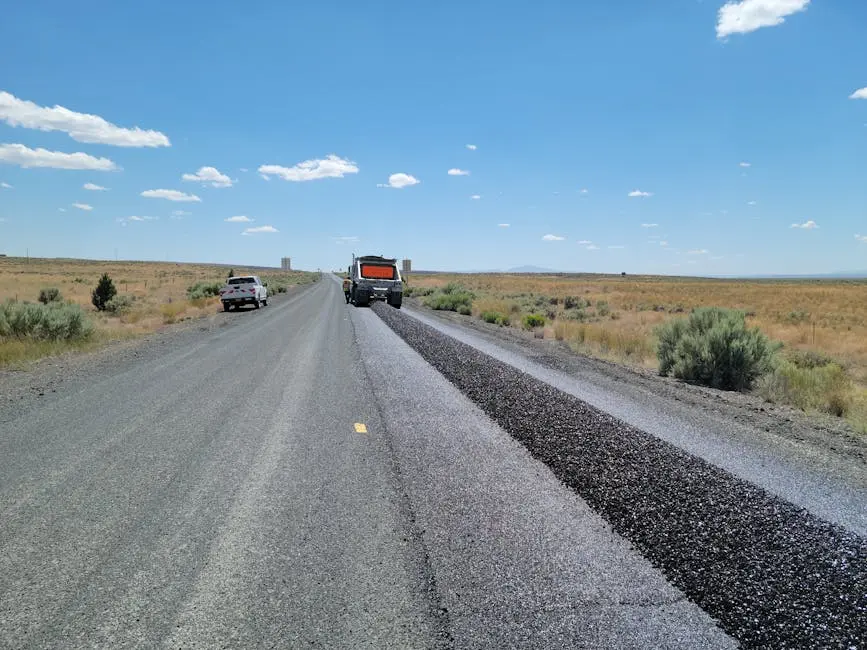
Highway engineering is a dynamic field that continuously evolves to meet the demands of modern transportation. In Ontario, several innovative trends are shaping the future of our highways. This blog explores these latest trends, offering insights into how they improve safety, efficiency, and sustainability in highway design and construction.
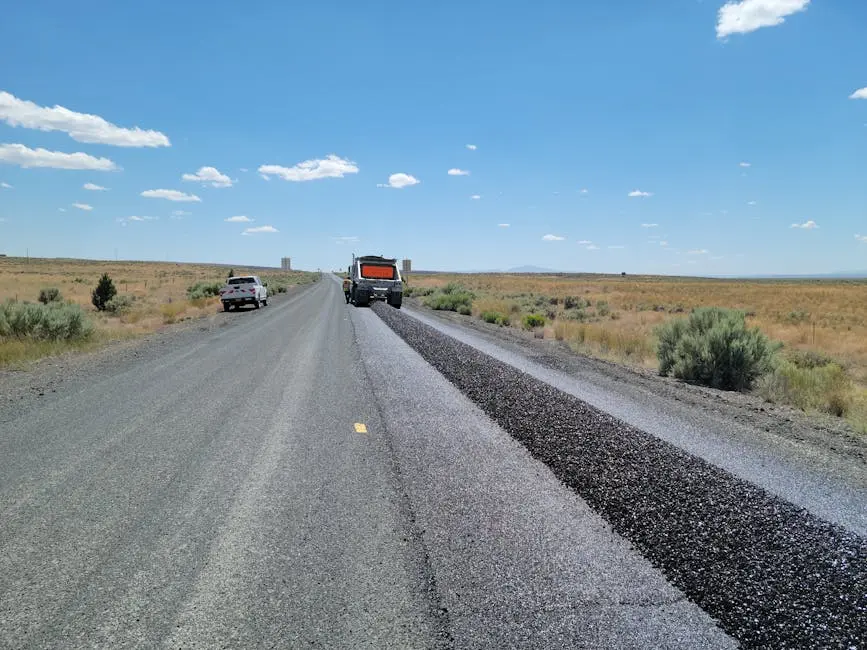
Emphasis on Sustainability
Sustainable practices are becoming a cornerstone of highway engineering, focusing on reducing environmental impact through eco-friendly materials and construction methods.
Ontario is paving the way for greener highways with the adoption of recycled materials, which not only minimizes waste but also cuts down on costs. By using reclaimed asphalt pavement (RAP), engineers can significantly enhance durability while maintaining environmental integrity.
Additionally, the use of permeable pavement systems allows water to seep through, reducing runoff and promoting groundwater recharge. This innovative approach lessens the burden on stormwater systems and helps preserve local ecosystems.
Moreover, many highway projects now include green spaces and wildlife corridors, ensuring that development doesn’t disrupt native species. Such initiatives reflect a broad commitment to creating a more sustainable transportation framework in Ontario.
Smart Highways and Technology Integration
The integration of smart technologies is revolutionizing highway systems, enhancing traffic management and safety through real-time data and automated systems.
For instance, Ontario is seeing the deployment of intelligent transportation systems (ITS) that utilize sensors and cameras to monitor traffic flow and alert drivers to conditions ahead. This data-driven approach helps in reducing congestion and avoiding accidents.
Furthermore, the use of mobile applications is becoming commonplace, enabling motorists to access real-time updates on road conditions, detours, and traffic incidents. These advancements foster a more informed driving experience.
In addition, smart lighting systems that adjust based on traffic levels not only improve visibility but can also save energy, exemplifying how technology is fostering efficiency in highway engineering.
With ongoing investments in technology for highway engineering, Ontario is preparing for a future where innovation drives both safety and efficiency in transportation.
Focus on Safety Improvements
Recent trends highlight significant safety enhancements, including better signage, lighting, and the use of advanced materials to improve road conditions.
One notable advancement is the increased implementation of high-visibility signs and traffic signals that ensure drivers are well-informed about road conditions and upcoming hazards. This initiative is crucial in reducing accidents on Ontario’s roads.
Moreover, the use of reflective road markings and improved street lighting plays a significant role in enhancing nighttime visibility. These measures contribute to a notable decline in nighttime accidents, keeping drivers safer after dark.
Advanced materials, such as polymer-modified asphalt, are being employed to enhance surface durability and grip. This results not only in longer-lasting roads but also reduces skidding and enhances overall safety.
As highway engineering continues to evolve, the focus on safety remains paramount, with innovations ensuring that both drivers and pedestrians can navigate Ontario’s highways with increased confidence.
Collaboration with Communities
Engagement with local communities in the planning process is increasing, ensuring that highway developments meet the needs and concerns of the public.
Community consultations and open forums are becoming essential components of project planning. These initiatives allow residents to voice their opinions and share insights that might not be captured in technical studies.
By incorporating local feedback, engineers can address concerns such as noise pollution, accessibility, and aesthetic preferences. This collaboration fosters a sense of ownership among residents regarding the development of their surroundings.
Furthermore, public-private partnerships are emerging as effective methods for funding and implementing projects that reflect the priorities of the community. These collaborations can lead to more innovative solutions that benefit everyone.
Use of Data Analytics
Data analytics play a crucial role in highway planning and maintenance, allowing engineers to make informed decisions based on traffic patterns and usage.
By analyzing historical and real-time data, highway engineers can identify high-traffic areas and times, facilitating targeted maintenance and improvement efforts. This not only optimizes resource allocation but also minimizes disruption for drivers.
Additionally, predictive analytics can assess future traffic trends based on factors such as population growth and urban development, enabling proactive planning that meets future demands.
As Ontario’s highways continue to expand, investing in robust data analytics tools will be essential. This investment lays the groundwork for an efficient and effective transportation network that can adapt to the state’s evolving needs.
In Summary
The landscape of highway engineering in Ontario is rapidly changing, driven by technological advancements, sustainability efforts, and increasing user needs. Staying informed about these trends can help professionals and the public alike understand the future of our transportation infrastructure.
