


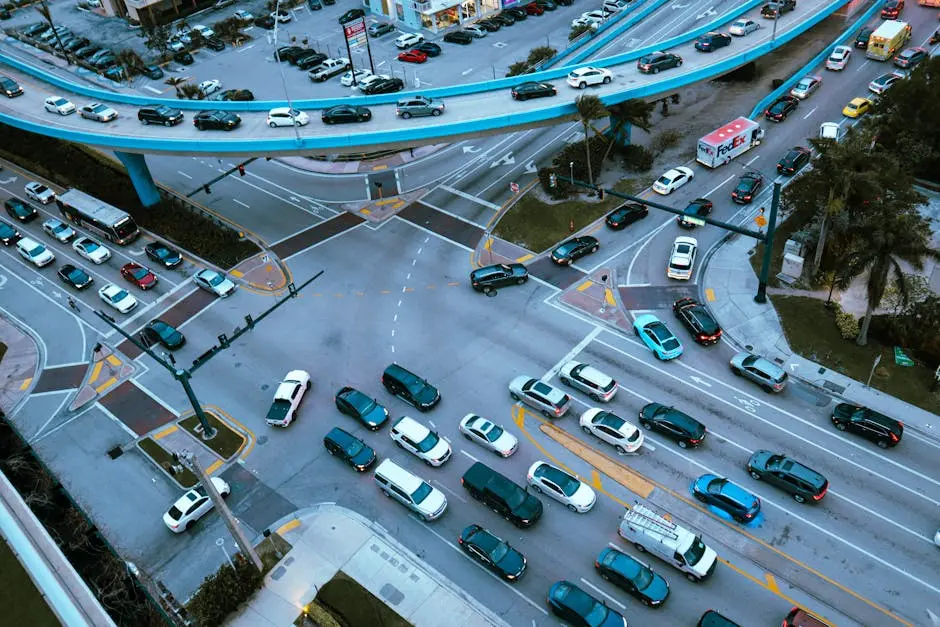
In an increasingly urbanized world, understanding how traffic interacts with our cities is vital for sustainable development. A Traffic Impact Assessment (TIA) serves as a critical tool in predicting and managing the effects of traffic on our urban landscapes. In this blog, we’ll explore the key components of a TIA, offering insights that will help make our cities smarter and more efficient.
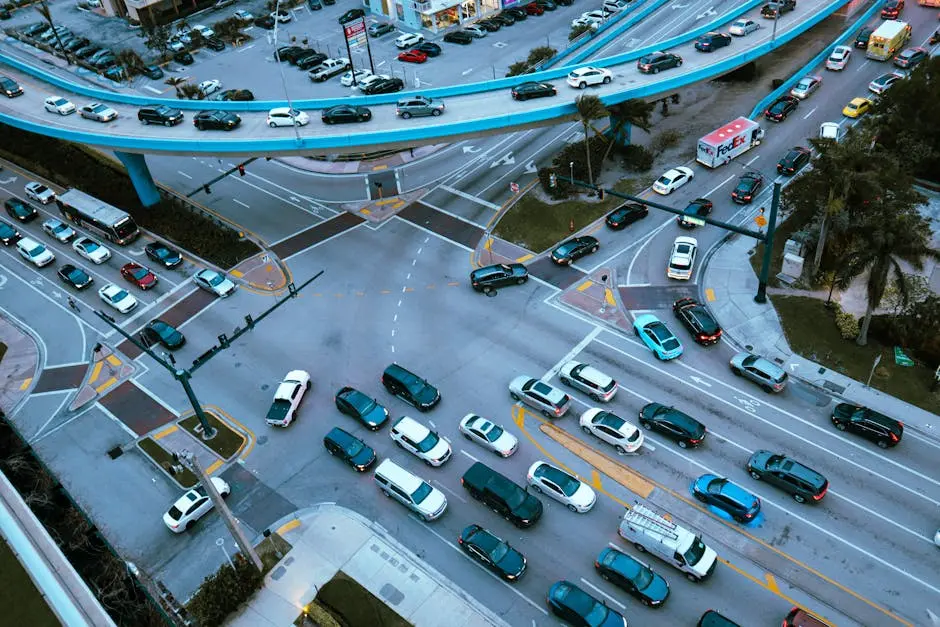
1. Defining the Purpose of the Assessment
A clear understanding of the assessment’s goals is essential. This component outlines the objectives, such as evaluating the impact of new developments on existing traffic patterns. By establishing a focused purpose, stakeholders can align expectations and ensure the assessment is tailored to address specific urban challenges.
Moreover, setting a defined purpose enables planners to prioritize questions that really matter to the community. Are we looking to improve pedestrian safety? Or is it about easing congestion during peak hours? By narrowing down these objectives, the assessment can deliver actionable insights that genuinely benefit the populace.
2. Gathering Relevant Data
Collecting data on current traffic conditions, volumes, and patterns is crucial. This information forms the foundation for any subsequent analysis. Data collection might involve cohort studies, surveys, and technological tools like traffic cameras, which provide real-time data. By gathering robust and comprehensive data, planners can make informed decisions that are grounded in actual traffic behaviors.
In addition, it’s important to consider how demographic and socioeconomic factors influence traffic patterns. Factors such as residential density, local businesses, and educational institutions can significantly change traffic flow dynamics. Hence, thorough data collection allows for a more nuanced understanding of how various elements interact.
3. Analyzing Traffic Patterns
Diving deep into how traffic moves throughout the area, this step utilizes modeling to understand existing scenarios and forecast future conditions. Traffic modeling can simulate different variables, allowing planners to visualize potential congestion points before they occur.
Additionally, analysis involves comparing historical data with current trends to highlight any significant changes in vehicle or pedestrian traffic. This comparative approach can reveal patterns that may not be immediately obvious, further enhancing the understanding of urban dynamics.
4. Evaluating Potential Impacts
This component assesses how proposed projects may alter traffic flow and impact safety. Understanding these effects can help inform design decisions and precursory measures that must be implemented. For instance, will a new shopping center draw increased traffic to a previously calm residential street? How can the infrastructure accommodate that change?
Such evaluations also factor in environmental impacts—examining noise levels, air quality, and pedestrian accessibility during peak traffic hours. Ultimately, this thorough evaluation connects the dots between proposed developments and their broader implications on community life.
5. Identifying Mitigation Strategies
After assessing potential impacts, it’s important to recommend strategies to alleviate traffic issues. This might include infrastructure improvements, like building new roads or adding bike lanes, to accommodate both drivers and cyclists efficiently. The goal here is to provide solutions that ensure a balanced traffic ecosystem.
Moreover, alternative transportation options such as improved public transit, carpool lanes, or enhanced pedestrian pathways can significantly reduce dependence on personal vehicles. Identifying these strategies emphasizes a proactive approach to urban planning that prioritizes community needs.
6. Public Engagement and Review Process
Engaging the community during the assessment process ensures that public concerns are addressed. This collaboration fosters transparency and trust in planning. Hosting workshops and public forums can invite citizens to share their experiences and expectations regarding traffic in their neighborhoods.
Furthermore, community feedback can shine a light on issues that might not be evident in data alone. By valuing citizen input, planners can develop more robust and accepted traffic solutions that have the support of the populace.
7. Documenting Findings and Recommendations
Finally, summarizing the assessment outcomes and recommendations in a clear, actionable report is vital for stakeholders and decision-makers to understand the next steps. An effective report communicates complex findings in a digestible format, often utilizing visuals such as charts and graphs to highlight key data points.
By providing practical recommendations, the report can pave the way for actionable measures. These could range from policies that support sustainable transportation to infrastructure investments designed to enhance traffic flow. Proper documentation not only guides immediate actions but also serves as a historical record for future assessments.
