


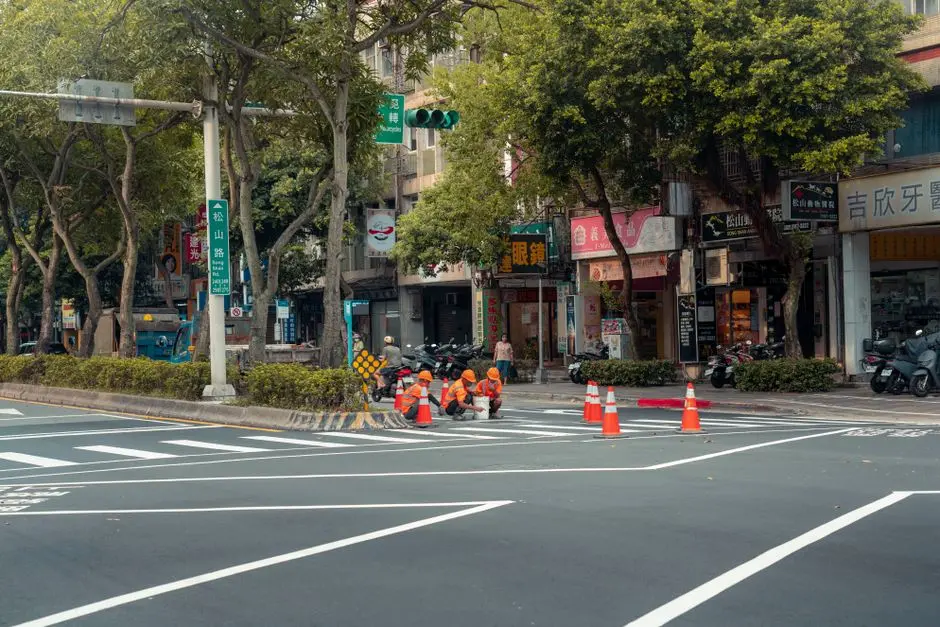
Road safety audits are a crucial step in creating safer urban environments. By carefully assessing road conditions, traffic patterns, and user experiences, cities can significantly enhance safety for all road users. In this article, we explore the key benefits of implementing comprehensive road safety audits and how they contribute to building safer, more resilient communities.
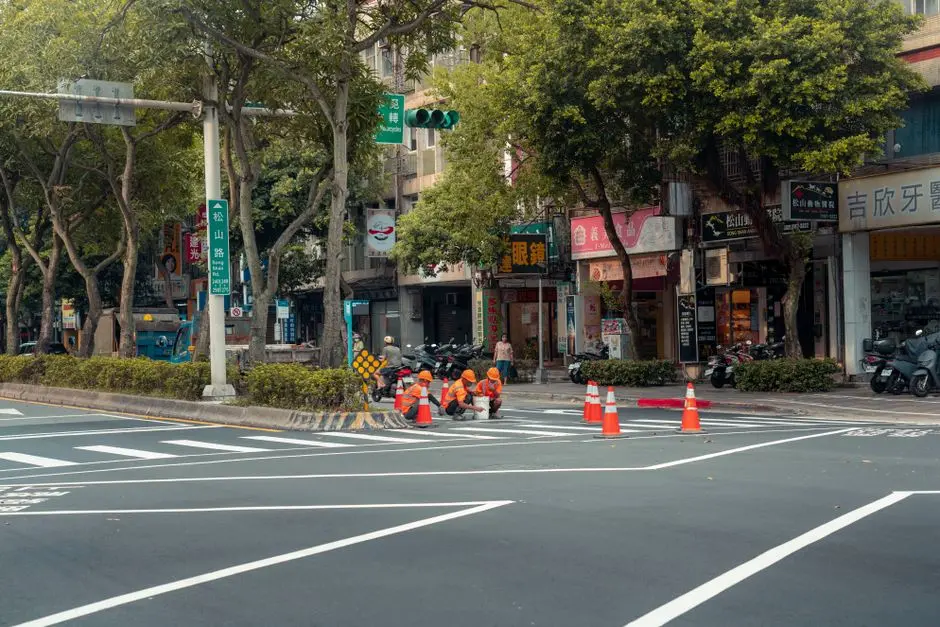
1. Identifying Risks and Hazards
Regular audits help uncover hidden dangers that may not be immediately apparent, allowing cities to address them proactively.
Moreover, identifying these hazards before they result in accidents is a key aspect of road safety audits. For instance, factors like misleading signage or poorly marked roadways can create dangerous situations for all road users. With a systematic approach to audits, officials can pinpoint areas that require immediate attention. This proactive stance not only improves safety but also reassures the community that their concerns are being taken seriously.
In addition to improving safety, recognizing and addressing these risks fosters trust among residents. When citizens see that their city is actively working to enhance safety measures, they are more likely to engage in civic activities. This collaboration between governmental bodies and the public can lead to innovative solutions that may have been overlooked when conducting audits alone.
2. Enhancing Community Engagement
Audits provide an opportunity for residents to voice their concerns, fostering a sense of community involvement in local safety.
Moreover, engaging the community directly in discussions during the audit process helps to identify problem areas that may not be on the radar of city planners. When residents share their experiences and suggestions, the audit becomes a living document, reflective of actual road conditions rather than theoretical assessments. This two-way communication not only builds rapport but also enhances the quality of the audit itself.
By facilitating workshops or forums where community members can interact with city officials, residents feel empowered and valued. As a result, cities can develop targeted strategies that address specific needs, from improving pedestrian crossings to adding bike lanes. This tailored approach not only meets the diverse needs of the community but also strengthens the social fabric of urban life.
3. Promoting Data-Driven Decisions
Utilizing data from audits helps city planners make informed choices regarding infrastructure improvements and policy changes.
Furthermore, data-driven decisions are essential for allocating resources effectively. By analyzing traffic patterns and accident statistics, city officials can identify high-risk areas and prioritize them for immediate action. This logical approach saves both time and money, ensuring that funding is directed where it is most needed.
As cities advance towards more data-centric governance, integrating technology into road safety audits can yield even greater insights. Advanced analytics and mapping tools can reveal trends over time, helping to create a comprehensive picture of road safety that informs not just local policies but can serve as a model for other municipalities.
4. Reducing Traffic Accidents
By identifying and mitigating risk factors, comprehensive audits can lead to a noticeable decrease in traffic-related incidents.
Consider the case where audits revealed a pattern of accidents at a particular intersection. By redesigning the layout and adding clearer signage, the city actively reduced the chances of future accidents. As a result, communities enjoy safer roadways, but this also has a ripple effect, encouraging more people to use alternative modes of transportation.
5. Improving Accessibility
Audits aim to assess and enhance accessibility for all users, including pedestrians, cyclists, and those with disabilities.
In addition, focusing on accessibility can reveal barriers to movement that aren’t just physical but also attitudinal. For example, features such as curb cuts, designated bike lanes, or pedestrian-only zones can significantly enhance mobility for a diverse range of users. Ensuring that everyone, regardless of ability or mode of transport, can navigate safely fosters an inclusive community. It’s not just about safety; it’s about ensuring that each person can participate in urban life fully.
6. Facilitating Sustainable Transportation
Through evaluations of current conditions, cities can promote alternative transportation methods, reducing reliance on motor vehicles.
Promoting public transport options and cycling not only reduces congestion but also contributes to lower emissions, making the city more environmentally friendly. This shift requires careful planning and infrastructure investments, but the long-term benefits far outweigh the initial costs. Not only do residents enjoy cleaner air, but they also embrace a healthier lifestyle through increased physical activity.
7. Boosting Economic Growth
Safer roads attract businesses, encouraging economic development and investment within safer urban areas.
When people feel safe, they are more likely to venture out, shop, dine, and explore their local neighborhoods. This boost in foot traffic is a magnet for entrepreneurs, leading to the emergence of new businesses and job opportunities. Cities that actively enhance their road safety can create a vibrant economy, not just on the surface but in the very fabric of their communities.
8. Increasing Public Health
Safer streets lead to healthier communities, decreasing rates of injuries and encouraging walking and cycling.
As more people feel comfortable using these safe spaces, it essentially transforms how citizens interact within their urban environments. With reduced fears of accidents, families stroll down safe sidewalks, and children play outside more often. This communal interaction supports mental health and enhances social ties, building a sense of community that benefits everyone.
9. Enhancing Visual Appeal of Urban Spaces
Improvements made from audits can beautify roads and public spaces, contributing to a more attractive environment.
Think about tree-lined streets, well-maintained sidewalks, and vibrant bike lanes. These aesthetic enhancements attract not just residents but also tourists, further enriching the local economy. Urban design infused with safety features creates spaces that people want to inhabit while creating an atmosphere that reflects community pride.
10. Aligning with Best Practices
Conducting audits helps cities remain in line with national and international safety standards and best practices.
By adhering to these guidelines, cities can not only avoid legal troubles but also position themselves as leaders in urban safety. Consistently updating their practices ensures that they stay relevant, responding to new challenges as urban populations grow and change. This evolution is vital in keeping all road users safe and secure.
11. Fostering Collaboration Among Stakeholders
Audits encourage partnerships between government agencies, NGOs, and community organizations to address road safety holistically.
This multi-faceted approach brings a variety of perspectives to the table, ensuring that no voices are neglected. By collaborating, stakeholders can pool resources and expertise effectively, leading to creative solutions that can be implemented efficiently. Additionally, such partnerships can pave the way for future initiatives that further enhance road safety and community engagement.
12. Reinforcing Accountability and Responsibility
Establishing regular audits instills a sense of responsibility among city planners and officials to ensure ongoing road safety.
Beyond compliance, these audits embody a cultural shift towards prioritizing public safety. By setting clear benchmarks and holding themselves accountable for meeting them, city officials demonstrate their commitment to community well-being. This transparency fosters trust, reassuring citizens that their safety is paramount in decision-making processes.
