


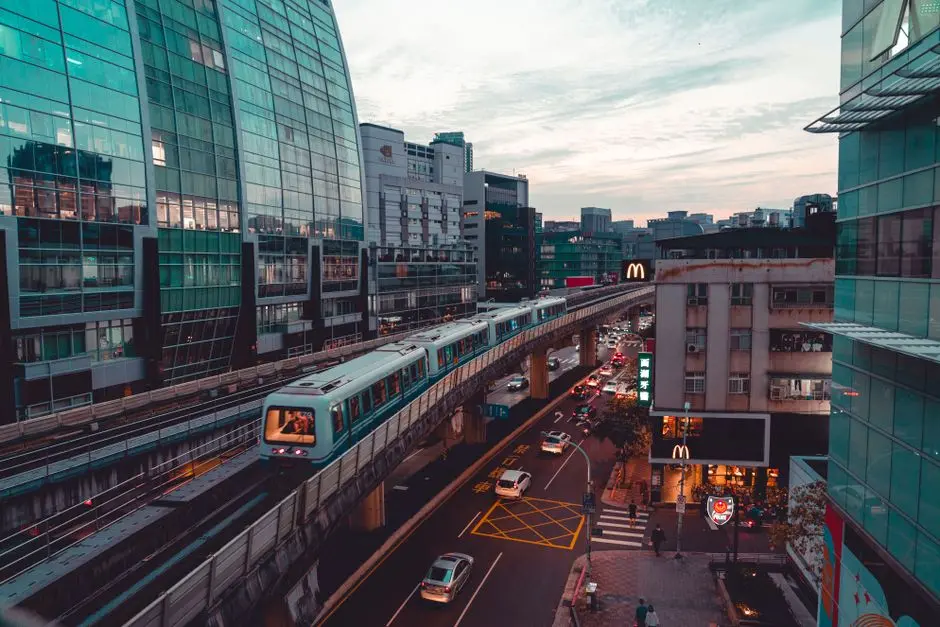
In today’s rapidly evolving cities, effective mobility planning is more important than ever. With the rising populations and the increasing demand for sustainable infrastructure, understanding the benefits of thoughtful mobility strategies can pave the way for better urban experiences. Here, we explore nine key advantages of mobility planning that can transform urban development for the better.
1. Enhanced Accessibility for All
Mobility planning ensures that everyone, including those with disabilities, has access to essential services and opportunities, creating a more inclusive city for all its residents.
Imagine a city where people of all abilities can effortlessly reach their destinations. That’s what effective mobility planning aims for! When cities prioritize accessibility, they unlock a world of opportunities for everyone, including the elderly and those facing physical challenges. Accessible sidewalks, well-designed transit systems, and safe crosswalks are just a few elements that contribute to this goal. Such thoughtful integration helps foster a community where every individual feels valued and included. It’s not just about moving from point A to point B; it’s about empowering everyone to engage with their community fully.
Furthermore, with a focus on public transportation, cities can ensure that access to education, healthcare, and employment is equitable. By analyzing existing routes and recognizing gaps, cities can enhance mobility services, which, in turn, leads to improved social cohesion and community engagement. When all residents can participate in city life—attending events, accessing job opportunities, or simply enjoying parks—the vitality of a city sky-rockets!
2. Reduction of Traffic Congestion
By implementing effective mobility solutions, cities can significantly lower traffic congestion, leading to shorter commute times and a less stressful urban environment.
Traffic congestion is a common bane in many urban areas, but it doesn’t have to be the norm. Through strategic mobility planning, cities can reinvent how people move around. A well-designed public transportation system can entice more people to leave their cars at home. This not only eases road overcrowding but also leads to significantly reduced travel times. Have you ever sat in traffic, watching the minutes creep by? With better planning, that frustration can be transformed into time saved and sanity restored.
Moreover, as cities prioritize alternative transport modes—like cycling, walking paths, and ride-sharing services—they set the stage for a sustainable urban environment. Imagine all those cars off the road! Fewer cars mean cleaner air, reduced noise levels, and an enhanced overall quality of life for residents. By addressing congestion, cities create not just efficient transport networks but healthier and happier communities.
3. Promotion of Sustainable Transport Options
Mobility planning encourages the use of public transport, cycling, and walking, which not only lessen the carbon footprint but also promote healthier lifestyles among city dwellers.
In recent years, sustainable transport has gained significant traction, and for good reason. Imagine vibrant streets packed with cyclists, pedestrians enjoying the fresh air, and public transport humming along efficiently. This vision can transform urban areas, making them not only environmentally friendly but also socially engaging. Mobility planning can spark a shift from reliance on fossil fuels to embracing renewable energy solutions in public transport. This is a huge step towards lowering greenhouse gas emissions and combating climate change.
Additionally, promoting cycling and walking enhances individual health. By ensuring that cities are equipped with safe bike lanes and pedestrian-friendly pathways, urban planners encourage residents to embrace active transportation. This shift not only contributes to a healthier population but also fosters a sense of community. People are more likely to stop and chat, engage in local businesses, or explore the city when they are not confined to a car. In this way, mobility planning is not just about transportation; it’s about reimagining community interactions.
4. Improved Safety for Pedestrians and Cyclists
Thoughtful mobility strategies prioritize safety measures for non-motorized road users, reducing accidents and fostering a safer urban landscape.
Safety should never be an afterthought in urban design. Incorporating safety measures into mobility planning not only protects pedestrians and cyclists but also cultivates a culture of respect on the roads. By designing intersections with pedestrian-friendly features and implementing speed limits in residential areas, cities can reduce the risk of accidents. It’s all about creating an environment where people feel safe to walk or bike without constantly worrying about speeding vehicles.
Moreover, educational campaigns paired with infrastructure improvements can lead to better awareness among all road users. When drivers understand the importance of sharing the road, and pedestrians feel empowered to cross roads safely, a culture of safety emerges. This concerted effort to prioritize safety creates stronger communities where people are encouraged to use active transportation modes, knowing that their lives are valued.
5. Economic Growth and Increased Property Value
Effective mobility planning can attract businesses and investments, boosting the local economy and increasing property values in well-connected areas.
Urban areas that embrace effective mobility strategies often see a surge in economic activity. When residents can seamlessly access businesses and services, local economies flourish. Mobility planning can direct investment to underdeveloped areas, making them more attractive for new businesses. This renewed vibrancy not only creates jobs but also enhances the desirability of neighborhoods, reflecting an increase in property values.
Furthermore, by improving transport connectivity, cities position themselves as hotspots for talent and innovation. Workers prefer areas where they can easily commute, dine, and socialize. Integrating diverse transport options creates a rich tapestry of connected communities and encourages consumers to explore local shops and restaurants. The benefits of enhanced mobility extend far beyond just transport, seeping into the economic fabric of urban life.
6. Reduced Environmental Impact
By facilitating greener transportation options, cities can minimize their environmental impact, contributing to cleaner air and a healthier planet.
The environmental challenges cities face today are ever-growing. Yet, mobility planning holds the key to mitigating these issues. By promoting public transport, cycling, and shared mobility options, we can dramatically reduce the number of cars on the roads. This reduction not only cuts down on greenhouse gas emissions but also leads to cleaner streets. Imagine walking through a city adorned with greenery, fresh air, and vibrant life—a reality achievable through effective mobility planning.
Moreover, cities can also invest in electric vehicles and renewable energy sources for public transportation. These innovations play a significant role in lowering urban pollution levels. Communities can thrive in environments where the air is cleaner and the quality of life improves—benefiting everyone. By redirecting focus to sustainable mobility, cities can acquire a dual advantage: enhancing public health while protecting our planet.
7. Enhanced Quality of Life
When mobility planning addresses the needs of all residents, it enhances overall quality of life, making urban areas more enjoyable places to live.
Quality of life in urban environments hinges on effective mobility planning. Consider how easy it is to conduct your daily activities when you can rely on well-designed transit systems and safe walking paths. The mental and emotional stress of daily commutes dissipates when residents can navigate their cities efficiently. Recognizing the diverse needs of all individuals in urban planning ensures that services are inclusive, catering to families, seniors, and individuals with disabilities alike.
The benefits extend even further—by creating spaces that encourage social interactions, such as vibrant public squares or community parks. These areas foster connections among residents, improving social networks and community bonds. When mobility is prioritized, cities become more than just places to live; they become thriving ecosystems rich with opportunities for social engagement and personal growth. Ultimately, better mobility leads to happier, healthier, and more connected residents.
8. Better Community Engagement
Involving citizens in mobility planning processes fosters stronger community ties and ensures that the solutions implemented meet the diverse needs of the population.
Community engagement is fundamental to the success of mobility planning. When residents feel heard and involved, they are more likely to support initiatives that improve their environment. Workshops, surveys, and public forums serve as platforms for feedback, allowing planners to gain valuable insights into the priorities of their communities. Imagine the energy and enthusiasm generated when people come together to shape their neighborhoods!
Additionally, community involvement can lead to innovative solutions that might not surface from top-down planning approaches. Local residents have firsthand experience of the challenges they face daily, so their input is invaluable. By embracing diverse perspectives, cities can foster a sense of ownership among residents. This ultimately leads to solutions that are not just imposed but crafted by the people who are most affected, strengthening communal bonds and civic pride.
9. Future-Proofing Urban Development
By anticipating future trends and challenges, mobility planning helps cities remain adaptable and resilient in the face of change, ensuring long-term sustainability.
In an age of rapid technological advancement and evolving societal needs, future-proofing is essential for urban development. Effective mobility planning isn’t just about addressing current issues; it’s about anticipating what lies ahead. By integrating flexible transport solutions, cities can adapt to fluctuations in populations, technologies, and commuter patterns. This visionary approach not only enhances current mobility systems but also ensures resilience against future disruptions.
Furthermore, by embracing innovations such as smart technology in transportation networks and utilizing data analytics, city planners can monitor trends in real-time. This enables them to promptly adjust and improve transportation services to meet emerging needs. By planting the seeds for flexibility today, urban planners set the stage for sustainable growth tomorrow. Future-proof mobility planning isn’t merely an option; it’s a necessity for cities aiming to thrive in a dynamic world.
