

Transportation technology plays a vital role in shaping the efficiency and sustainability of modern cities. From reducing traffic congestion to promoting eco-friendly practices, it transforms the way we move and live. Let’s explore this topic in detail!
Understanding Transportation Technology
Transportation technology encompasses various innovative solutions that enhance the movement of people and goods within urban areas.
In modern cities, transportation technology acts as the backbone for connectivity. Think about the last time you relied on a rideshare app or used a navigation system — these tools are just the tip of the iceberg.
At the heart of these innovations lie advancements in sensor technology and data analytics, which work together to provide real-time updates. This allows residents to make informed decisions about their travel plans.
Moreover, the introduction of autonomous vehicles and drones showcases the changing landscape of urban mobility, even allowing for deliveries in areas with heavy traffic. It’s not just a trend; it’s a movement towards smarter, more integrated urban travel.
Impact on Traffic Management
Advanced systems help cities manage traffic flow, reducing congestion and improving travel times.
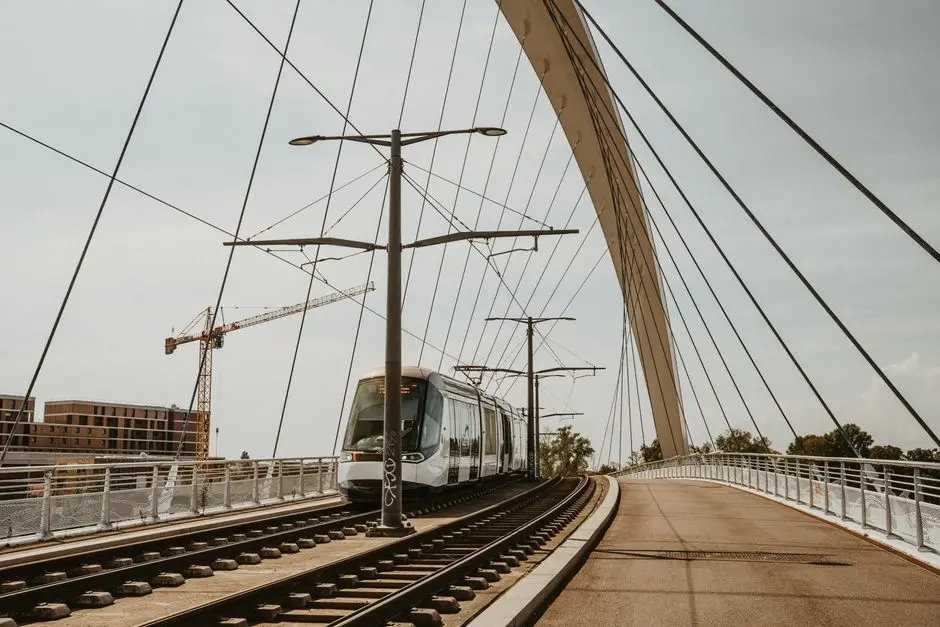
Imagine cities bustling with energy but not overwhelmed with traffic jams. Intelligent traffic signals, responsive Metro systems, and adaptive routing apps are all integral components of this vision, helping to ease congestion while optimizing road usage.
Furthermore, by analyzing data from multiple sources, transportation technology can predict traffic patterns, allowing city planners to implement measures before problems escalate, such as adding lanes or altering signal timings.
However, the impact is not only seen in reducing travel times. With better management tools, cities can decrease emissions from idling vehicles, contributing to a more sustainable urban environment.
Sustainability and Environmental Benefits
Transportation technologies contribute to greener cities by promoting electric vehicles and smart public transport systems.
The shift towards electric vehicles (EVs) represents a significant step forward in reducing greenhouse gas emissions. It’s not just about switching from petrol to electric; it’s about rethinking our entire transportation infrastructure to support this transition.
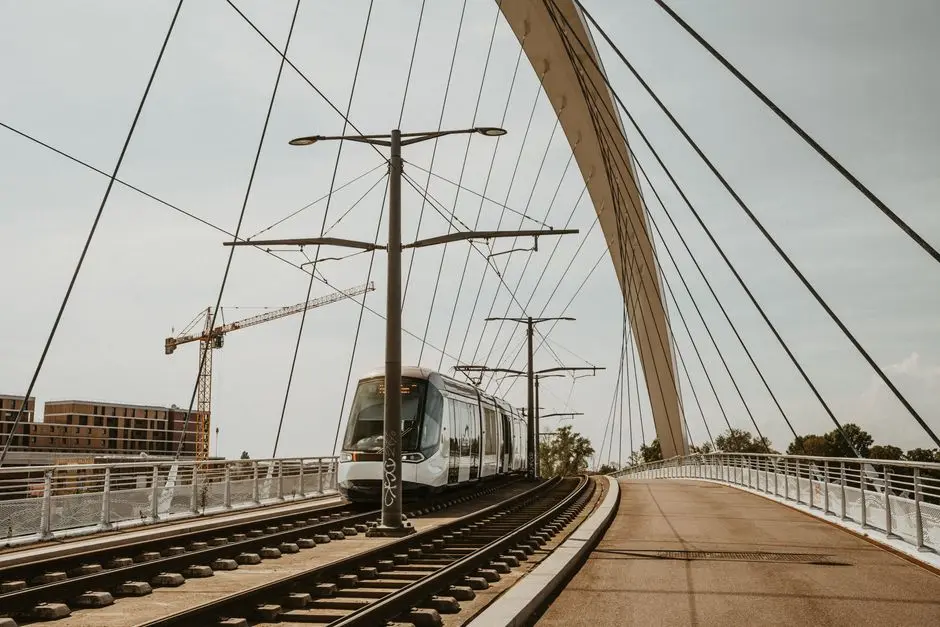
Smart public transport systems enable efficient routing and real-time updates, encouraging more people to opt for public transit over personal vehicles. A well-connected public transport system can significantly reduce the number of cars on the road, which in turn lowers pollution levels.
Together, these advancements empower cities to implement sound environmental policies and improve air quality, leading to healthier urban lifestyles. As citizens become more aware of sustainability, these changes will likely gain even more traction.
Integration of Smart Technologies
The use of AI and IoT in transportation enhances connectivity, leading to smarter urban planning and enhanced user experiences.
With the Internet of Things (IoT), everyday objects communicate and create networks that can help manage city resources more efficiently. Imagine smart benches that detect availability or transit stations that know how many passengers are waiting — these are just glimpses of a more connected future.
Artificial Intelligence further amplifies this integration by predicting user needs based on patterns. For instance, it can automatically adjust train schedules during peak hours, optimizing transportation flow and minimizing delays.
Thus, as cities evolve, the robust blend of smart technologies ensures a seamless travel experience while improving safety and efficiency. This user-focused approach might be what ultimately revolutionizes urban living.
Enhancing Accessibility
Innovations in transportation technology are making cities more accessible for all citizens, including those with disabilities.
From wheelchair-friendly public transport options to apps designed for individuals with visual impairments, these technologies aim to level the playing field. Inclusion is pivotal, and transportation technology plays a significant role in creating an equitable urban landscape.
Additionally, smart city initiatives, like dedicated lanes for scooters and bikes, promote safe transit options. Such measures cater not just to those with mobility challenges but also encourage users of all ages to consider eco-friendly transportation.
By utilizing real-time data and mapping capabilities, transportation technology ensures that all urban residents can navigate their cities with ease and confidence, making every journey a valued experience.
The Future of Transportation Technology in Urban Living
Transportation technology is not just about vehicles and infrastructure; it’s about creating smarter, more connected urban environments that enhance the quality of life for all city inhabitants. By embracing these advancements, we can foster more efficient, greener, and safer communities. As cities continue to innovate, the future of urban transportation looks promising.
