


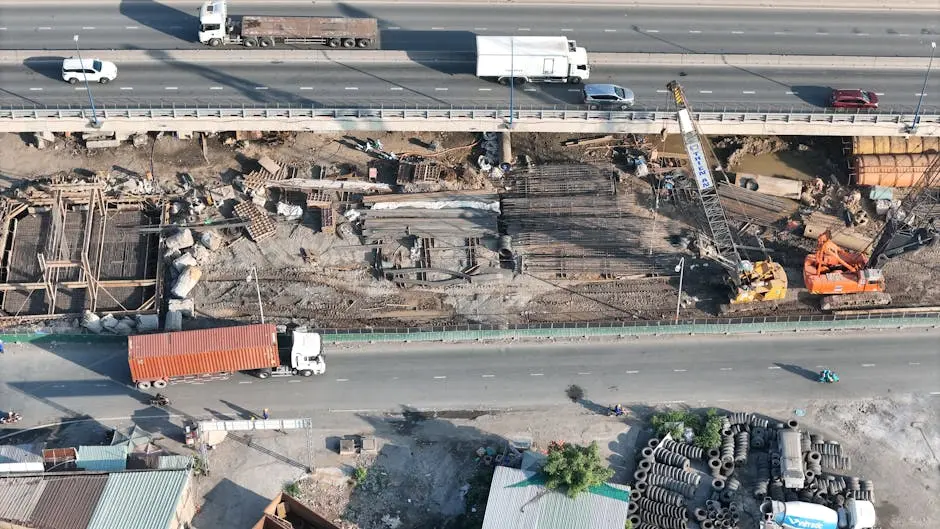
Infrastructure planning plays a crucial role in shaping the efficiency and effectiveness of urban transportation systems. By strategically designing and investing in transport networks, cities can boost mobility, reduce congestion, and enhance the overall quality of life for residents. In this blog, we will explore the various ways infrastructure planning positively impacts urban transportation.
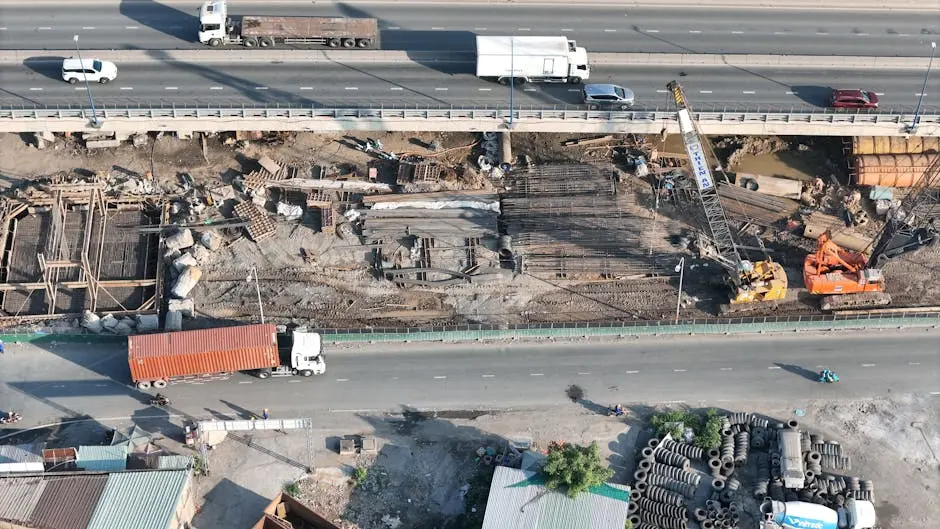
Understanding Infrastructure Planning
Infrastructure planning involves the strategic development of transport systems, including roads, public transit, and pedestrian pathways, to meet the needs of urban populations.
This comprehensive approach ensures that each aspect of transportation is thoughtfully considered, from the placement of bus stops to the design of cycle lanes. The goal is to create a cohesive network that seamlessly connects various modes of transport and benefits users at every level.
Moreover, effective infrastructure planning requires a deep understanding of current urban dynamics. Factors like population density, geographical challenges, and local culture all influence how infrastructure should be developed. By analyzing these elements, planners can craft tailored solutions that resonate with the communities they serve.
In many ways, good infrastructure planning serves as the backbone of city life. It dictates how people move about their environments, influencing everything from daily commutes to leisure activities. A well-planned urban landscape makes it easy for residents to travel efficiently while encouraging exploration and interaction.
Enhancing Accessibility and Mobility
By improving access to public transport and creating walkable areas, infrastructure planning increases mobility options for all residents.
Consider the accessibility factor: when cities invest in reliable bus services and well-connected train lines, they are ensuring that every neighborhood, even the underserved ones, have routes that link them to vital resources like jobs, schools, and healthcare.
Additionally, improved infrastructure dedicated to pedestrians and cyclists can make urban environments more navigable. Wider sidewalks, well-marked bike lanes, and safe crosswalks allow residents to travel without relying solely on cars, fostering a sense of community and encouraging healthier lifestyles.
The simple act of making cities easier to navigate can have profound effects. It promotes social inclusion, allowing people from different backgrounds to access the same opportunities. When urban planning prioritizes accessibility, it opens doors and breaks down barriers.
Reducing Traffic Congestion
Well-planned infrastructure can alleviate traffic bottlenecks, leading to smoother commutes and a reduction in travel times.
Through intelligent traffic management solutions, cities can optimize traffic flow. This may involve smart signals that adapt to real-time vehicle counts or dedicated lanes for public transport, significantly improving the efficiency of how roads are utilized.
Moreover, understanding traffic patterns allows urban planners to design roadways that accommodate forecasted growth. Incorporating elements such as roundabouts or pedestrian overpasses can prevent congestion before it becomes problematic, ensuring smoother navigation throughout the city.
Promoting Sustainable Transportation Solutions
Infrastructure planning encourages the adoption of environmentally friendly transport solutions, such as bicycle lanes and electric public transit systems.
As the world pushes towards sustainability, urban planners are increasingly focusing on green solutions that lessen the ecological footprint of urban transport. Integrating features like charging stations for electric vehicles and designing networks that promote biking aligns cities with modern environmental standards.
Additionally, public awareness campaigns accompanying new sustainable initiatives can educate residents about the benefits of choosing greener modes of transportation. By spotlighting success stories and providing incentives, cities can foster a culture that values sustainability.
Integrating Technology in Transportation
Smart infrastructure leverages technology to enhance transport efficiency, including traffic management systems and real-time transit updates.
The role of technology in urban transport can’t be understated. Innovations like apps that provide live updates on bus arrivals empower users to plan their journeys better, while data analytics can help cities predict peak travel times and adjust services accordingly.
Another significant advantage of integrating technology is enhanced safety. Features such as smart signals and automated monitoring systems can reduce accidents and improve the overall travel experience for all road users.
Community Engagement and Feedback
Incorporating community input into infrastructure planning ensures that transportation systems meet the needs and preferences of local residents.
Engaging with community members can take numerous forms, from public meetings to online surveys. This feedback loop not only fosters a sense of ownership among residents but also helps planners understand what works and what doesn’t in the real world.
Creating forums for residents to voice their opinions leads to more informed planning decisions. When local insights are valued, it often results in solutions that resonate deeply with the community and promote a greater sense of belonging.
Wrapping Up the Importance of Infrastructure Planning
Ultimately, effective infrastructure planning is the backbone of successful urban transportation systems. By focusing on sustainable design, integrating technology, and engaging communities, cities can create efficient and livable environments for their populations.
