


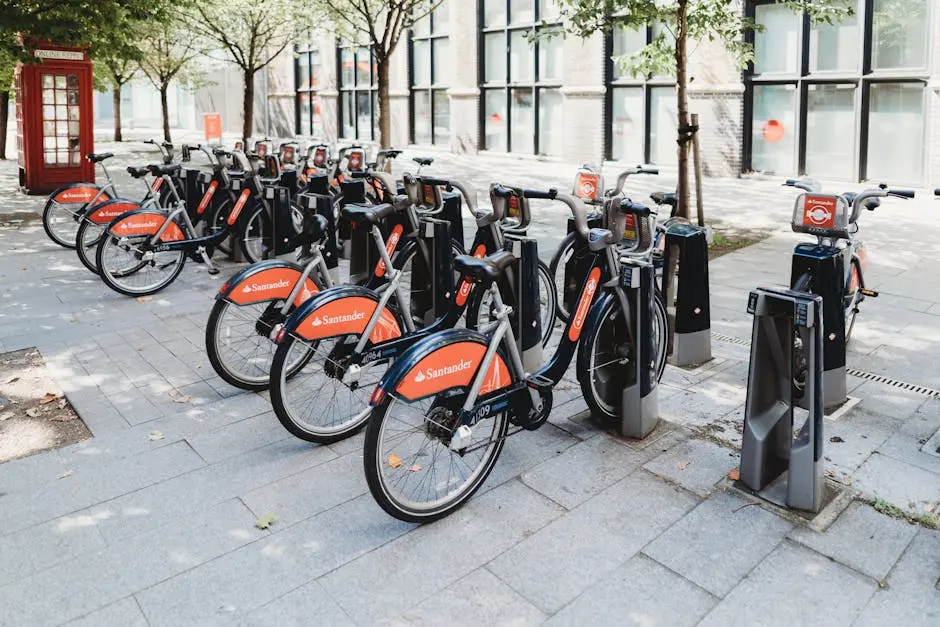
In today’s fast-paced world, urban transportation is undergoing a significant transformation, thanks in large part to mobility planning. This approach rethinks how we design our cities and manage our transportation systems, making them more efficient, accessible, and sustainable. Join me as we explore ten exciting ways mobility planning is changing the landscape of urban travel and why it matters for the future.
1. Enhancing Public Transit Accessibility
Mobility planning focuses on making public transit more accessible to everyone, ensuring that even the most underserved communities have reliable transportation options. This means not only expanding bus and train services but also improving the quality and frequency of these services. For individuals with disabilities, elderly residents, and low-income families, enhanced accessibility can translate to better job prospects and improved quality of life.
In cities where mobility planning is effectively implemented, one can see marked differences in ridership patterns. More people are choosing public transit over personal vehicles, thanks to enhanced accessibility features like low-floor buses, well-placed stations, and clear signage. The result? A bustling, interconnected network that seamlessly links diverse neighborhoods, promoting equity within urban spaces.
2. Integrating Technology for Smarter Travel
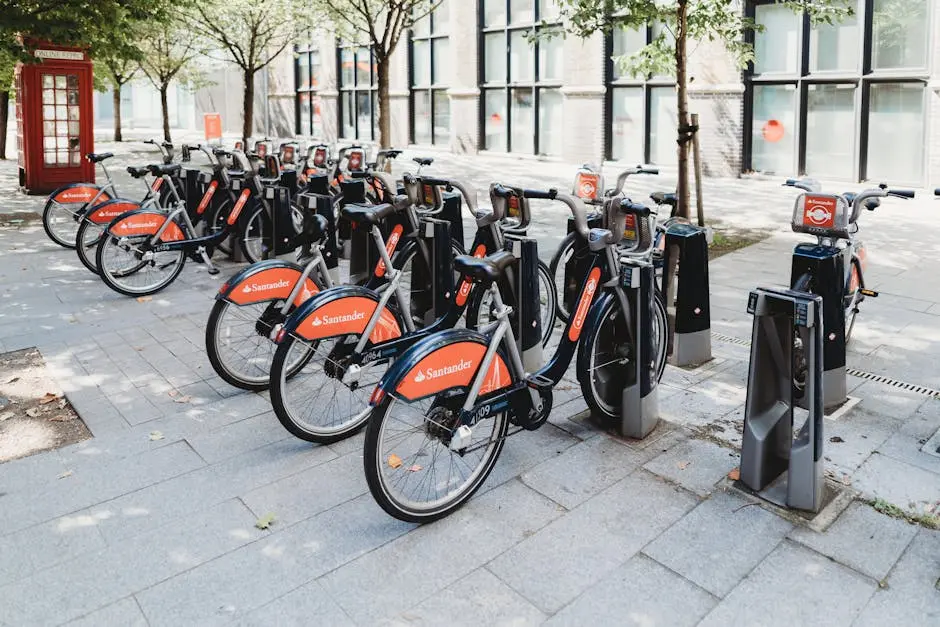
The use of apps and platforms to provide real-time data and options for travelers is a staple of modern mobility planning, making it easier for people to navigate urban landscapes. Imagine having all your transportation choices at your fingertips! Whether you’re looking for the fastest route using public transit or need to find a bike-sharing station nearby, technology is revolutionizing how we move around cities.
Smart traffic lights that sync with real-time traffic conditions and mobile applications that suggest optimal travel times are just the beginning. As urban planners harness the power of big data, we can expect to see a more responsive and adaptive infrastructure that meets the needs of a dynamic population. This integration not only improves efficiency but also contributes to a more pleasant travel experience.
3. Developing Pedestrian-Friendly Infrastructure
Creating walkable spaces encourages people to choose walking over driving, promoting healthier lifestyles and reducing traffic congestion. Mobility planning prioritizes the development of pedestrian zones, wider sidewalks, and safe crossings. When cities invest in walking infrastructure, they not only enhance safety but also foster a sense of community as people begin to explore their neighborhoods on foot.
Moreover, pedestrian-friendly areas often see a boost in local businesses. More foot traffic means more customers for shops and cafés, driving economic growth. By encouraging walking, cities can transform into vibrant hubs of activity where social interactions flourish, and the quality of life improves for all residents.
4. Promoting Eco-Friendly Transportation Options
Mobility planning prioritizes green solutions, such as cycling paths and electric vehicle charging stations, contributing to a more sustainable future. As cities grapple with pollution and climate change, eco-friendly options are more important than ever. By investing in bike lanes and dedicated paths for electric scooters, urban areas can encourage residents to opt for these greener modes of transportation.
In addition, many cities are rolling out programs that incentivize the use of public transport and eco-friendly vehicles. These initiatives might include tax benefits for electric vehicle owners or subsidies for bike-share programs. As a result, the shift toward eco-friendly transportation options isn’t just beneficial for the environment; it also promotes a healthier lifestyle for residents.
5. Encouraging Mixed-Use Developments
By designing areas where people can live, work, and play in close proximity, mobility planning reduces the need for long commutes and encourages a vibrant community life. These mixed-use developments create lively environments where shops, homes, schools, and parks are just a short walk away. The convenience fosters a stronger sense of community, where neighbors become familiar and local businesses thrive.
Mixed-use developments also reduce dependence on cars, further alleviating congestion and pollution. When residents can easily walk or bike to their daily destinations, it leads to healthier habits and improves overall well-being. Mobility planning advocates for these integrated spaces to create sustainable urban ecosystems that benefit both individuals and the environment.
6. Utilizing Data-Driven Insights
Analyzing transportation data helps urban planners identify trends, allowing for smarter, more informed decisions about infrastructure and services. By leveraging big data, cities can better understand how, when, and why people move. This data-driven approach results in improved service delivery and targeted investments in transportation infrastructure, ensuring that resources are spent where they are needed most.
For example, data analytics can highlight peak transit times, influencing decisions on adding more services or adjusting routes. Moreover, understanding demographic shifts can guide investments into new neighborhoods that are becoming more populated. Ultimately, data-driven insights foster a more responsive urban transportation system that adapits to the evolving needs of its residents.
7. Streamlining Traffic Flow
Innovative traffic management systems can significantly reduce congestion and improve travel times through better signal timing and real-time adjustments. Mobility planning employs a variety of tools to enhance traffic flow, such as smart traffic lights synced with real-time data to minimize bottlenecks. As a result, drivers spend less time stuck in traffic, promoting a smoother commuting experience.
Additionally, cities are increasingly using alternate routes and dynamic lane assignments based on real-time conditions. These strategies ensure that traffic can flow more freely, reducing the overall carbon footprint of vehicles on the road. When traffic flows efficiently, everyone benefits — from commuters to local businesses, as quicker travel times mean more time spent enjoying life rather than waiting at red lights.
8. Fostering Community Engagement
Mobility planning embraces public input, ensuring that community members have a voice in transportation decisions, leading to solutions that truly meet their needs. Ongoing discussions about urban design empower residents to share their experiences and preferences, shaping the future of their communities. This participatory approach fosters trust between planners and citizens and ensures that implemented solutions are practical and welcomed.
Community engagement also enhances transparency in the mobility planning process. When citizens feel involved, they are more likely to support new initiatives and changes. This creates a cycle of mutual respect and collaboration, as communities become co-creators of their urban environments. As a result, the community’s needs and values are woven into the fabric of urban planning.
9. Designing for Safety
Incorporating safety measures into urban designs, such as better street lighting and dedicated bike lanes, helps reduce accidents and enhances the overall experience. Mobility planning places a strong emphasis on creating environments that prioritize the wellbeing of pedestrians and cyclists. By investing in safer roads, cities not only protect their residents but also encourage alternate forms of transport, such as biking.
Additionally, integrating measures like speed bumps and raised crosswalks can significantly improve safety for vulnerable road users. These designs help calm traffic and remind drivers to pace themselves, contributing to safer streets for everyone. The result is a city that respects and prioritizes the lives of its residents, cultivating a culture of safety in everyday travel.
10. Encouraging Carpooling and Ride-Sharing
Mobility planning supports the growth of ride-sharing services and carpooling initiatives, effectively reducing the number of vehicles on the road. By facilitating carpooling networks and implementing incentives such as preferential parking for shared rides, cities can actively promote shared commuting options. These measures not only decrease traffic congestion but also contribute to lower emissions, making our cities cleaner and more pleasant places to live.
Moreover, as more people embrace carpooling and ride-sharing, the social fabric of urban life strengthens. Travelers can connect, share experiences, and establish new relationships during their commutes. This collaborative spirit fosters a sense of community and understanding among diverse urban populations, enriching the social experience of city living.
