

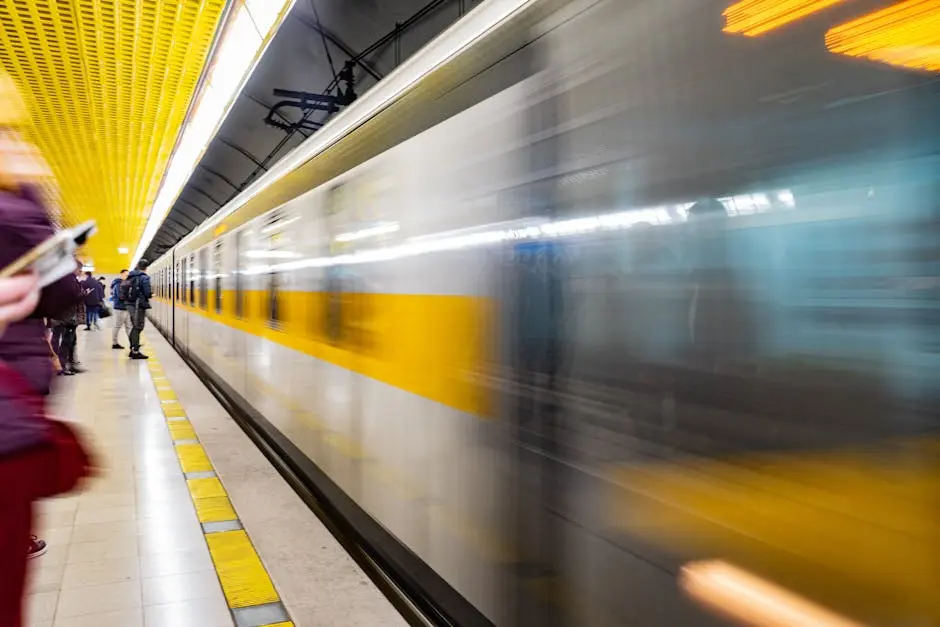
Public transport planning plays a pivotal role in shaping the future of cities, especially in a bustling metropolis like Toronto. As the world moves towards smarter urban solutions, understanding how efficient transit systems contribute to city livability, sustainability, and economic growth is essential. In this blog, we will explore the essential aspects of public transport planning that make Toronto a smarter city.
Understanding Public Transport Planning
Learn what public transport planning entails and why it’s crucial for urban development.
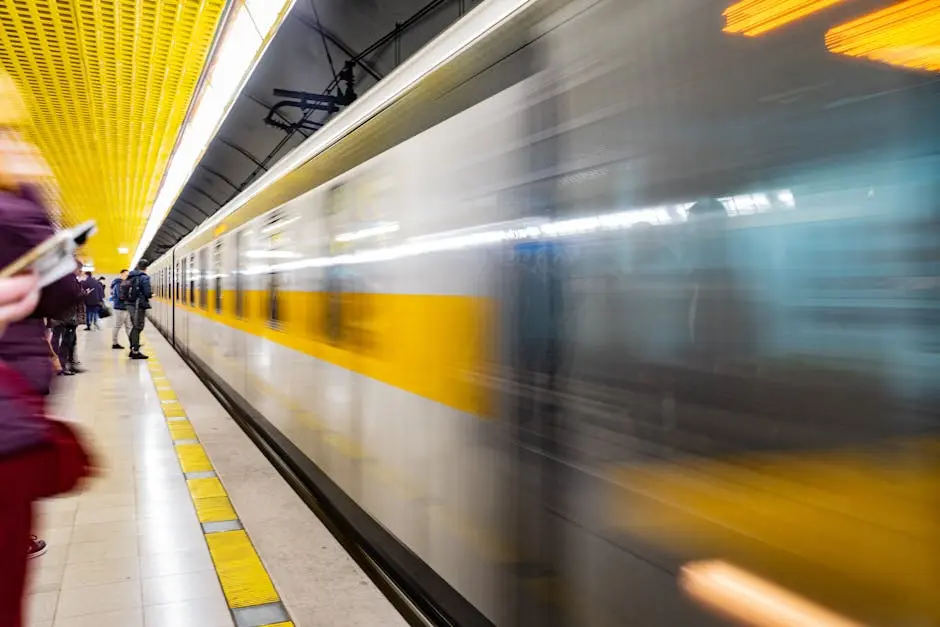
Public transport planning involves a series of strategies and decisions aimed at creating efficient, reliable, and accessible transit systems. In essence, it’s about designing a network that meets the needs of the community, ensuring that people can easily navigate the city. With the rapid growth of urban populations, effective planning has never been more vital. Ultimately, it’s the blueprint for how we want our cities to function and evolve.
Moreover, public transport planning not only addresses current needs but also anticipates future demands. By analyzing demographic trends and travel patterns, city planners can implement systems that will adapt over time, accommodating growth while reducing congestion. This proactive approach is the hallmark of smarter cities, allowing for sustainable urban living.
Enhancing Accessibility for All
Explore how effective planning makes transportation accessible to a diverse population.
Accessibility is a fundamental pillar of effective public transport planning. In Toronto, thoughtful design ensures that transit systems cater to all citizens, including those with disabilities, seniors, and low-income households. When people can access reliable transport, it opens doors to job opportunities, education, and social interaction, fostering a more inclusive community.
An excellent example of this commitment to accessibility is the introduction of low-floor buses and accessible subway stations throughout the city. These enhancements not only cater to individuals with physical disabilities but also make travel easier for parents with strollers and anyone carrying heavy loads. In a city as diverse as Toronto, ensuring that everyone can use the public transport system is no small feat, but it’s essential for social equity.
Furthermore, user-centric planning includes technology integration, such as real-time tracking apps, which make it easier for people to navigate public transport. By equipping citizens with information, planners empower them to make informed choices about their travel, enhancing the overall user experience.
Promoting Sustainable Practices
Discover the ways in which public transport contributes to reducing carbon footprints and promoting greener cities.
Sustainable public transport planning is more than just an environmental buzzword; it’s a necessity. In Toronto, the integration of electric buses and the expansion of light rail transit systems signify a commitment to lowering greenhouse gas emissions. These initiatives not only reduce the city’s carbon footprint but also provide cleaner air for residents.
Additionally, promoting public transport reduces reliance on personal vehicles. When a city invests in robust transit options, it encourages citizens to choose environmentally friendly modes of travel, thus decreasing traffic congestion and further enhancing air quality. In this light, public transport planning emerges as a powerful tool for fostering environmental sustainability.
Ultimately, the connection between smart urban planning and sustainability cannot be overstated. By prioritizing public transport, Toronto is taking significant steps toward becoming a model of eco-friendliness, showing that urban spaces can thrive while respecting the natural environment.
Supporting Economic Growth
Understand the economic benefits that arise from efficient public transit systems and their role in urban development.
Efficient public transport systems are not just a convenience; they are an economic engine for cities. In Toronto, robust transit options contribute to economic vitality by reducing commuting times and facilitating access to jobs. When people can travel easily throughout the city, businesses benefit from a broader customer base and a more dynamic workforce.
Moreover, investments in public transport can stimulate local development, increasing property values around transit hubs and attracting new businesses. Areas served by public transit tend to thrive, leading to a vibrant economy that supports growth and innovation. Therefore, public transport planning is not merely about transit; it’s about economic strategy.
Improving Quality of Life
Discuss how reliable public transport improves daily life for citizens, beautifying neighborhoods and enhancing community interactions.
Reliable public transport significantly improves the quality of life for Toronto’s residents. It decreases travel time, allowing people to spend more time with family and friends instead of stuck in traffic. This makes neighborhoods more lively and interactive, fostering community ties. When a system works seamlessly, it becomes a part of everyday life, enhancing how individuals connect and engage with their surroundings.
Furthermore, well-planned public transport contributes to the aesthetic appeal of a city, reducing the need for vast parking lots and encouraging public spaces and green areas. With less space allocated to cars, there’s room for parks, cafes, and marketplaces, creating vibrant community hubs. This transformation enriches urban life, making Toronto not only smarter but also more enjoyable.
In summary, public transport planning develops infrastructure that not only caters to mobility but also elevates the overall living experience. By enhancing how people connect, creating attractive spaces, and promoting interactions, public transport ensures that Toronto’s future is as bright as it is accessible.
Wrapping Up: The Future of Public Transport in Toronto
In summary, effective public transport planning is integral to developing a smarter, more efficient Toronto. It enhances accessibility, reduces environmental impact, supports economic opportunities, and improves the overall quality of life for residents. As we look ahead, continued investment and innovative strategies in transport planning can pave the way for a brighter urban future.
