

As urban populations grow, the need for efficient traffic flow analysis becomes more critical than ever. Fortunately, technology is stepping in to help us navigate the roads better. In this article, we’ll explore twelve groundbreaking innovations that are transforming how we analyze and manage traffic flow. From artificial intelligence to smart traffic signals, these advances are set to make our commutes smoother and safer.
1. Artificial Intelligence in Traffic Prediction
Artificial intelligence is revolutionizing how we predict traffic patterns by analyzing historical data and real-time inputs. Machine learning models, for instance, sift through vast amounts of data collected from road sensors and traffic cameras to identify trends and anticipate traffic congestion before it happens.
Moreover, this technology can learn from seasonal variations—such as holiday traffic spikes—ensuring that predictions become increasingly accurate over time. With AI at the helm, traffic engineers can make informed adjustments to traffic lights, which helps alleviate pressure on busy roads.
This predictive ability isn’t just about making commutes smoother; it’s also about enhancing safety on the roads. By anticipating potential bottlenecks, authorities can deploy resources more effectively, whether that means adjusting traffic signals or rerouting vehicles to prevent accidents.
2. Smart Traffic Signals
Smart traffic signals are game-changers in urban traffic management. Unlike traditional signals that operate on fixed timers, these adaptive systems change signal timings based on current traffic conditions, reducing delays at intersections. For instance, during rush hour, the green light may be extended for vehicles moving toward a congested area, while side streets are given shorter waits.
The efficiency of smart traffic signals extends beyond just time savings. They are equipped with sensors that can detect the presence of vehicles and even pedestrian activity. By responding to real-time conditions, smart signals not only streamline traffic flow but also enhance pedestrian safety.
It’s fascinating to consider how this technology could evolve further. Imagine a city where all the traffic signals are interconnected, communicating with one another to create a synchronized flow, significantly reducing carbon emissions and improving air quality, all while keeping traffic moving smoothly.
3. Connected Vehicle Technology
Connected vehicle technology is paving the way for a future where cars talk to each other and to the infrastructure around them. Vehicles equipped with this communication technology can share data with traffic management systems, improving overall flow by providing real-time updates on road conditions, accidents, and even weather impacts.
This exchange of information enhances not only efficiency but also safety. For instance, if a vehicle detects a sudden stop or an impending collision, it can communicate this to other nearby vehicles, alerting them to slow down or change lanes well before they encounter the danger.
4. Traffic Flow Sensors
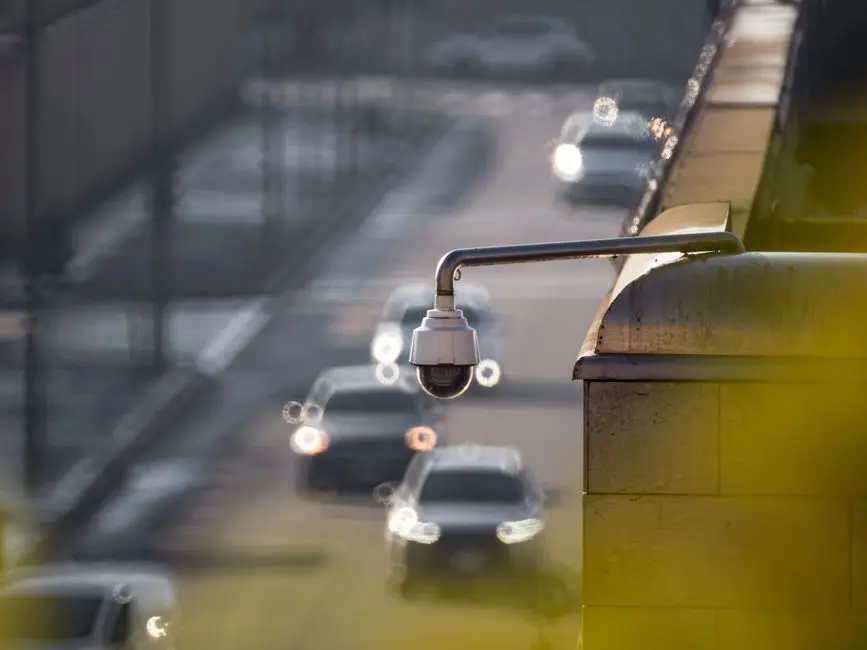
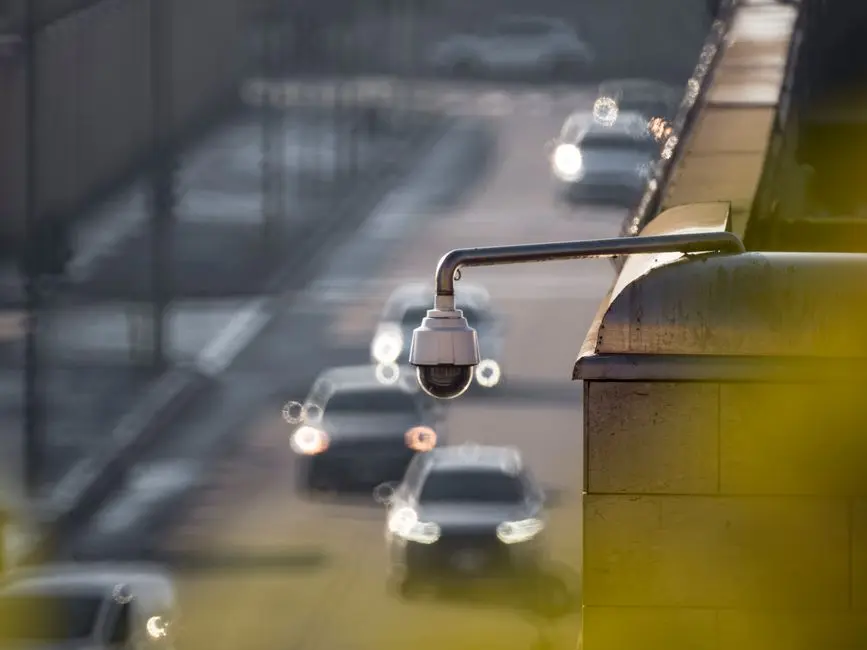
Traffic flow sensors are the eyes on our roadways, collecting essential data that informs traffic management decisions. These advanced sensors—placed strategically on roadways—help gather real-time data on vehicle speeds and densities for better analysis. This data is critical for assessing traffic conditions and planning future road improvements.
Some sensors utilize video analytics to monitor traffic and detect incidents, while others employ magnetic or infrared technology to measure vehicle counts. Whatever the method, the goal remains the same: to provide actionable insights that can mitigate congestion and improve safety.
5. Cloud-Based Traffic Management Systems
Cloud-based traffic management systems represent a significant shift in how data regarding traffic flow is collected and analyzed. These systems allow for centralized data storage and management, making it easier to access and analyze traffic information. With the cloud, cities can integrate various data sources—like traffic cameras and flow sensors—into one comprehensive platform.
This integration streamlines decision-making processes, allowing traffic managers to respond to incidents quickly and efficiently, thereby improving overall safety. Additionally, these systems can be upgraded more seamlessly, ensuring that the latest algorithms and analytics tools are always at hand.
6. Predictive Analytics in Urban Planning
Predictive analytics is changing the way urban planners visualize and strategize for the future. By utilizing big data, urban planners are using predictive analytics to anticipate future traffic trends and make informed decisions about infrastructure. Instead of waiting for issues to arise, they can proactively design roadways that cater to anticipated growth patterns.
This foresight can drastically reduce congestion and enhance the overall quality of life in urban areas. With accurate forecasting, cities can optimize public transportation routes, improve cycling paths, and even ensure that pedestrian walkways are designed for maximum efficiency.
7. Mobile Traffic Apps
In today’s digital age, mobile traffic apps play a crucial role in managing traffic flow. Apps like Waze actively gather user data to provide real-time updates on traffic conditions, helping drivers avoid congested areas. Users contribute information about accidents, road closures, and even police presence, creating a community-driven approach to traffic management.
With notifications allowing users to reroute before they encounter delays, these apps help in defusing potential traffic jams before they start. Moreover, they provide insights into the best times to travel, cutting down on unnecessary wait times and enhancing overall efficiency.
8. Machine Learning for Traffic Optimization
Machine learning is the backbone of modern analytics, enabling traffic optimization on a grand scale. These algorithms analyze vast datasets to derive patterns that can optimize traffic management strategies. By recognizing trends based on historical traffic flows and current conditions, cities can implement better flow strategies.
For example, algorithms might suggest adding turn lanes at specific intersections or changing signal patterns to improve the overall efficiency of the road network. The result is a smarter approach that translates into less congestion, reduced travel times, and, crucially, lower environmental impacts.
9. Drone Surveillance for Traffic Monitoring
Drones are becoming valuable tools in traffic monitoring, providing aerial views that support timely responses to traffic incidents. Equipped with high-resolution cameras, these flying observers can capture real-time footage of congestion and accidents, reporting this data back to traffic authorities with ease.
The ability to quickly assess a traffic situation from above is indispensable. Drones can help identify the most effective way to reroute traffic, minimizing delays and potentially preventing secondary accidents. As drone technology becomes more advanced, we can expect them to play an even larger role in traffic management.
10. Augmented Reality for Navigation
Imagine driving and having your route directions displayed over reality through augmented reality (AR) glasses. AR applications can help drivers visualize traffic patterns and navigate more efficiently in real time. By overlaying navigation prompts on the actual road, users can better anticipate turns and avoid distractions that come from glancing down at their phones.
Moreover, AR has the potential to enhance driver awareness by highlighting hazards in the environment, such as pedestrians or road construction. This technology promises to create a seamless interaction between the driver, the vehicle, and the surrounding infrastructure.
11. Integrated Traffic Management Systems
Integrated traffic management systems represent the pinnacle of modern traffic analysis. These systems consolidate various data sources into a singular platform to provide a comprehensive view of traffic flow. By combining inputs from sensors, cameras, and connected vehicles, planners can make dynamic decisions that adapt to real-time conditions.
Moreover, these platforms improve collaboration between departments and stakeholders, creating a unified front against traffic issues. As more data becomes available, the potential for multi-faceted analysis grows, leading to smarter, more efficient urban mobility solutions.
12. Wireless Communication Technologies
Finally, advancements in wireless communication technologies are crucial for the future of traffic flow analysis. These technologies allow vehicles and infrastructure to interact, enhancing traffic control systems. Through vehicle-to-infrastructure (V2I) communication, traffic signals can conversate with approaching vehicles to adjust timings or provide warnings.
This two-way communication not only optimizes traffic flow but also significantly enhances safety. By alerting drivers about upcoming hazards or changes in traffic patterns, we can create safer and more efficient roads for everyone.
