

Transportation planners play a crucial role in the development of smarter cities. In an era where urban areas face challenges like congestion, pollution, and inefficient public transport, these professionals are instrumental in creating sustainable solutions. Let’s explore the key reasons why transportation planners are essential for building smarter cities.
Understanding the Role of a Transportation Planner
Transportation planners analyze how people, goods, and vehicles move through cities, helping to design efficient systems that minimize congestion and maximize accessibility.
They work on various scales, from local neighborhoods to entire metropolitan regions. This wide scope allows them to understand distinct patterns and needs, making them invaluable in crafting solutions to transport challenges.
Furthermore, transportation planners engage with community stakeholders to gather input and ensure the solutions they design reflect local needs. This dialogue is key, as it builds a sense of ownership and trust within the community.
By synthesizing data and community feedback, these planners become champions for change, presenting their plans to both the public and government leaders. This advocacy is crucial when it comes to securing funding and support for projects.
Optimizing Public Transport Systems
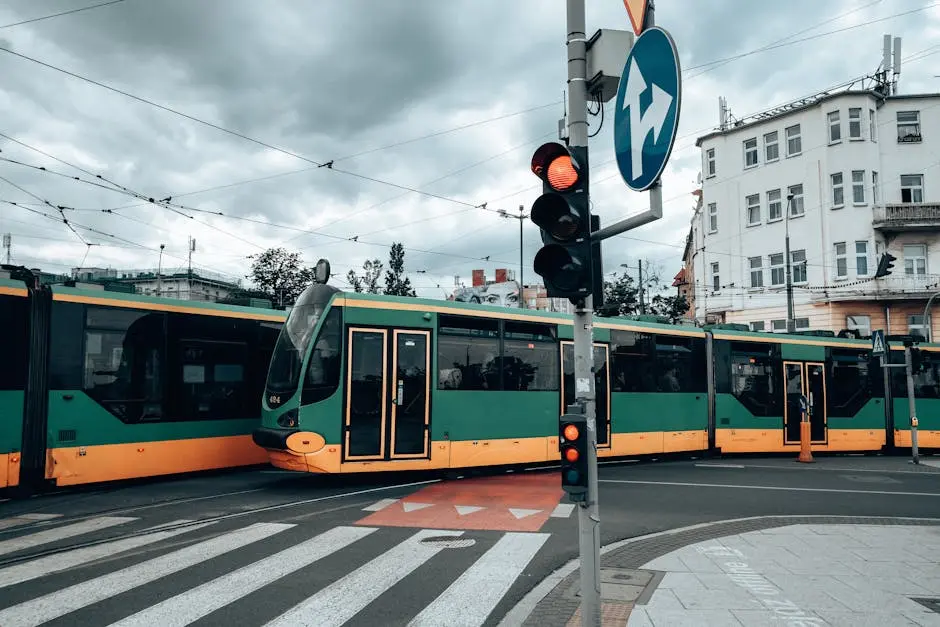
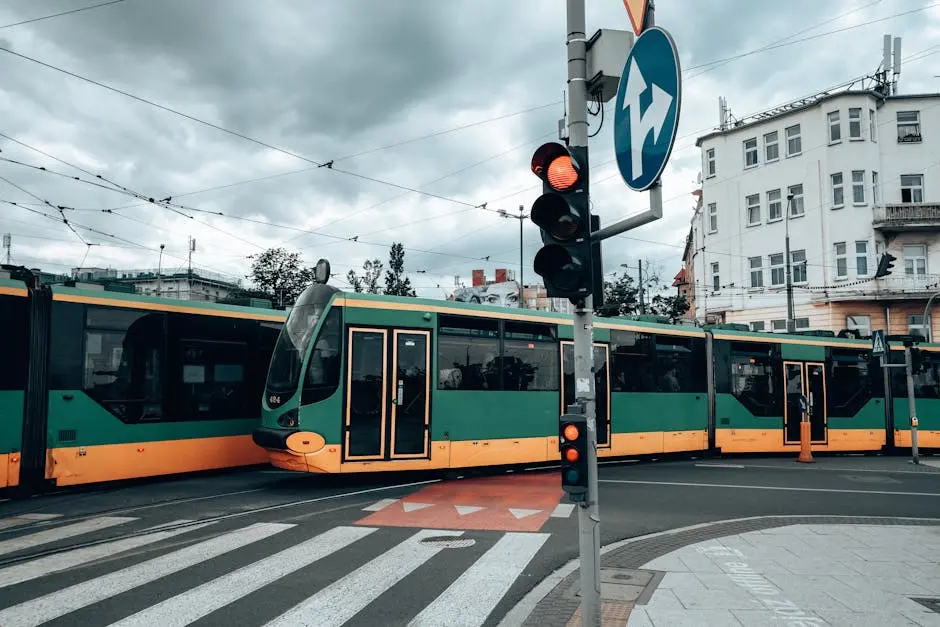
Effective transportation planners design public transport networks that better serve the community, encouraging more residents to use these services and reducing reliance on personal vehicles.
They delve into transit patterns and demographics, pinpointing where services are lacking and how future demand might shift. This foresight is essential, as it addresses current needs while anticipating future growth.
Moreover, optimizing public transport systems can lead to increased economic opportunities. When transit options are efficient and accessible, it becomes easier for individuals to reach jobs, schools, and other vital destinations.
Investment in upgraded public transit can also elevate the overall quality of life in cities. Well-connected neighborhoods encourage social interactions and create vibrant community hubs that enhance urban living.
Encouraging Sustainable Practices
Transportation planners advocate for sustainable transportation options such as cycling, walking, and electric vehicles, helping cities reduce their carbon footprint.
One important aspect of their role is promoting infrastructure that supports non-motorized transport. Creating safe bike lanes and pedestrian-friendly walkways directly encourages residents to choose these healthier commutes.
Additionally, transportation planners consider policies that prioritize electric vehicle (EV) usage, such as infrastructure for charging stations. These initiatives are pivotal in the global shift towards greener transportation solutions.
Their advocacy extends beyond mere planning; it includes educating citizens on the benefits of sustainable transportation. By fostering a culture of eco-friendliness, they help shift mindsets in favor of green choices.
Enhancing Accessibility and Mobility
By focusing on inclusivity, transportation planners ensure that all community members, including those with disabilities, have equitable access to transportation options.
Their work often includes the implementation of universal design principles, ensuring public transport facilities are navigable for everyone. This not only serves individuals with disabilities but enhances the experience for all users.
Moreover, facilitating access to transit services in underserved neighborhoods can lead to real societal change, connecting residents to jobs and education that were previously out of reach.
In doing so, transportation planners create more resilient communities where all members can thrive. Their efforts contribute to social equity and enhance overall urban mobility.
Using Technology to Improve Urban Mobility
Transportation planners leverage data and technology to inform decision-making and improve traffic flow, creating smarter and more responsive urban environments.
By analyzing real-time data, they can identify congestion hotspots and recommend swift remedies. This proactive approach helps manage traffic more effectively, preventing gridlock and frustration.
Additionally, technology enables the integration of various modes of transport, making it easier for users to switch between them. For example, apps that track bike shares, public transport times, and rideshare options streamline the commuting experience.
Embracing smart traffic signals and adaptive systems can also lead to improved traffic management. These innovations not only enhance efficiency but also promote safety across urban landscapes.
The Vital Role of Transportation Planners
In summary, transportation planners are vital to the growth and sustainability of smarter cities. Their expertise not only helps in streamlining transportation systems but also ensures that urban areas are livable, accessible, and environmentally friendly. As cities continue to evolve, the role of transportation planners will only grow in importance.
