


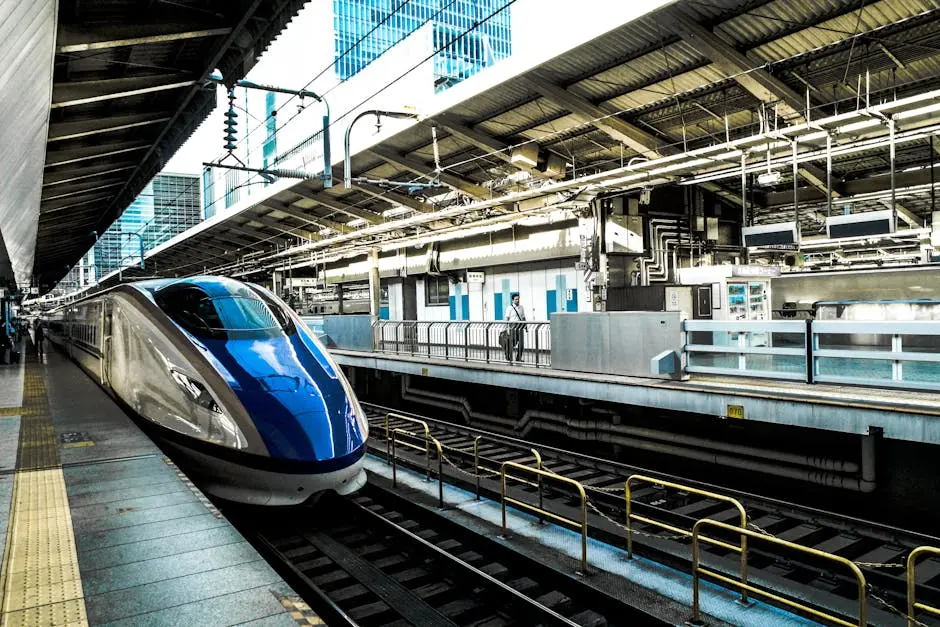
Urban transportation planning is constantly evolving to meet the needs of growing populations and changing technologies. In this blog, we will explore the latest trends shaping urban mobility, making transportation more sustainable, efficient, and accessible.
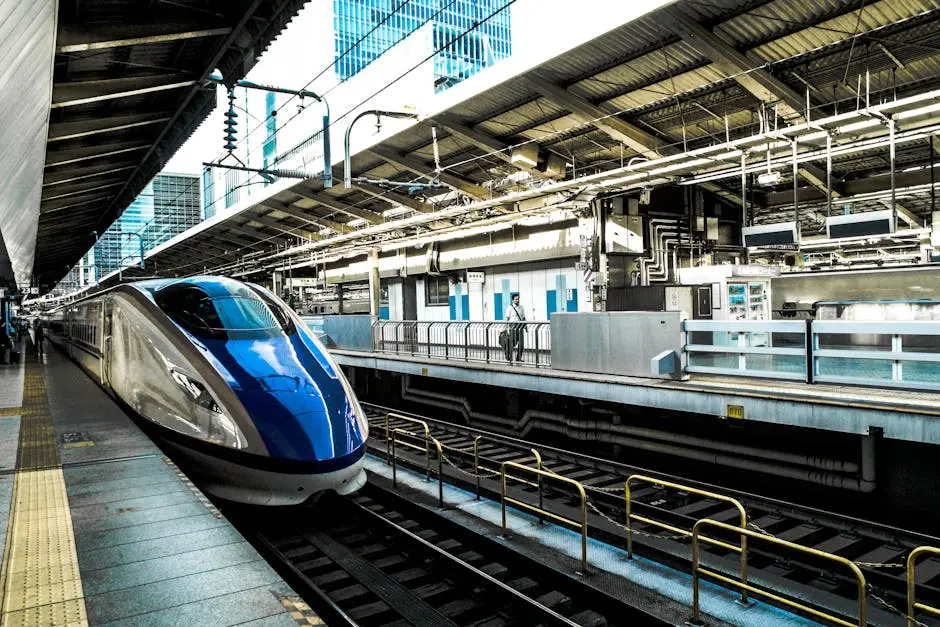
Prioritizing Sustainability
Exploring how cities are incorporating eco-friendly practices into transportation planning, such as electric vehicles and green public transit options.
Sustainability is at the forefront of modern urban transportation. Cities worldwide are adopting strategies that minimize carbon footprints. For instance, the promotion of electric buses in urban areas not only reduces air pollution but also encourages residents to shift their commuting habits.
In addition to electric vehicles, many cities are investing in bike-sharing programs and expanded pedestrian pathways. These initiatives not only support eco-friendly transportation but also foster community interaction and physical health. As parking spaces shrink and congestion builds, cycling is becoming a viable, attractive option.
Moreover, integrating renewable energy sources into public transport systems—like solar panels on bus shelters—further enhances the sustainability of urban mobility. Cities are learning that innovative solutions can transform transportation while benefiting the environment.
Smart Mobility Solutions
Discussing how technology, including apps and real-time data analytics, is enhancing urban mobility and improving user experiences.
Technology plays a crucial role in the development of urban transportation systems today. One key trend is the use of mobile applications that provide riders with real-time information. These apps can offer details on bus schedules, train updates, and even bike availability, directly influencing how people choose to travel.
Real-time data analytics not only inform users but also help city planners make informed decisions. By analyzing traffic patterns and public transport usage, cities can optimize routes and schedules, ensuring services meet the community’s evolving needs. This level of responsiveness is becoming mandatory for urban administrations.
Additionally, smart mobility solutions are being crafted around shared services. Ridesharing platforms continue to expand, allowing users to seamlessly transition from one mode of transport to another. The integration of these services presents an exciting opportunity to reduce congestion and improve the overall travel experience.
Inclusive Transportation Planning
Highlighting the importance of designing transportation systems that cater to all demographics, promoting equity and accessibility.
As urban populations diversify, the need for inclusive transportation planning has never been more critical. Planners are recognizing the importance of designing systems that cater to various demographics, including the elderly, people with disabilities, and low-income individuals.
Accessibility features—like low-floor buses, better crosswalk designs, and wider sidewalks—are becoming standard practice rather than an afterthought in transportation projects. Cities that embrace inclusivity greatly enhance mobility, allowing all residents to access workplaces, schools, and essential services.
Moreover, engaging with the community during the planning phase ensures that the voices of all stakeholders are heard. Public forums, workshops, and surveys allow planners to understand the unique challenges faced by different groups, leading to more effective solutions tailored to community needs.
Focus on Active Transportation
Examining the rise of walking and cycling infrastructure and its impact on urban health and mobility.
Walking and cycling are gaining recognition as essential components of urban transportation planning. With dedicated lanes and pedestrian-friendly zones being integrated into city designs, more residents are reconsidering how they travel.
Studies show that increased infrastructure for active transportation not only improves public health by encouraging physical activity but also reduces congestion and pollution. Cities that prioritize walking and cycling enjoy cleaner air and lower noise levels, contributing to an overall improved quality of life.
Additionally, successful examples from cities like Amsterdam and Copenhagen illustrate how investing in biking infrastructure can transform urban spaces. Such cities have shown a significant reduction in car usage, leading to a reimagined urban landscape where community interaction flourishes.
Integrating Land Use and Transportation
Understanding how strategic planning integrates land use with transportation systems for better urban development.
The alignment of land use and transportation is a game-changer for urban planning. By ensuring that residential areas are close to public transport options, cities can reduce reliance on private vehicles and promote a more efficient use of space.
This integration not only facilitates economic development but also encourages walkability and connectivity within neighborhoods. Mixed-use developments, which combine residential, commercial, and recreational spaces, exemplify successful urban environments that prioritize accessibility.
Future-focused city planners understand that strategic planning must include the foresight to incorporate evolving transportation technologies. As cities grow, integrating these two elements will ensure sustainable urban development, benefitting the environment and residents alike.
Final Thoughts
As urban transportation continues to evolve, planners and policymakers must stay informed about the latest trends to create efficient, sustainable, and equitable systems. Embracing these changes will ultimately contribute to healthier, more connected communities.
